On March 17, 1966, Dr. Martin Luther King Jr. delivered a speech at Southern Methodist University in which he evaluated the state of economic and race relations in the U.S. at the time. His speech takes the audience through the history of anti-Black racism in the U.S. and the efforts of Black Americans and abolitionists that led to the ending of slavery, segregation, and the passing of landmark legislation like the Civil Rights Bill and the Voting Rights Act. Wishing he could end his speech on these victories, Dr. King cautions:
“We still have a long, long way to go before the problem of racial injustice is solved in our country. Now I need not dwell on this point. We need only turn on our televisions and open our newspapers and look around our community. We see that the problem is still with us.”
Dr. King cites widespread poverty, lack of access to healthcare and education, violence against Black communities and civil rights workers, and threats to voting rights (a threat that is very much alive in 2026 as we see the Voting Rights Act which King championed under attack by recent lawsuits and legislation) as vivid reminders of the work ahead.
In response to these injustices, Dr. King argues passionately for nonviolent direct action as a tool of resistance against an “anemic democracy.” A broader debate on the role of nonviolence remains alive today, but to Dr. King, nonviolent resistance thwarts the spiritual and physical harms of each direct act of racialized violence and evokes a future in which people no longer harm each other at all.
At the end of his speech, he reframes the pejorative psychological term “maladjusted,” which frames neurodivergence and resistance to social norms as shameful or unsightly. King argues: How can one ever truly become adjusted to state-sanctioned violence, murders, and disinvestments in communities? How does one maintain a sense of humanity when marginalized communities are consistently dehumanized? He takes pride in being maladjusted to injustice.
In 2026, fifty years after Dr. King’s speech, the violence of white supremacy and capitalism persists. On our black mirrors we see countless videos of stiff and cold bodies wrapped in white cloth spotted red with blood, lives sacrificed in the name of the same societal ills specified in King’s speech. These horrors have rendered us speechless, paranoid, and hopeless at times. Simultaneously tender and hostile, unsure of where to turn or look for comfort or reprieve from despair. We are feeling more maladjusted than ever.
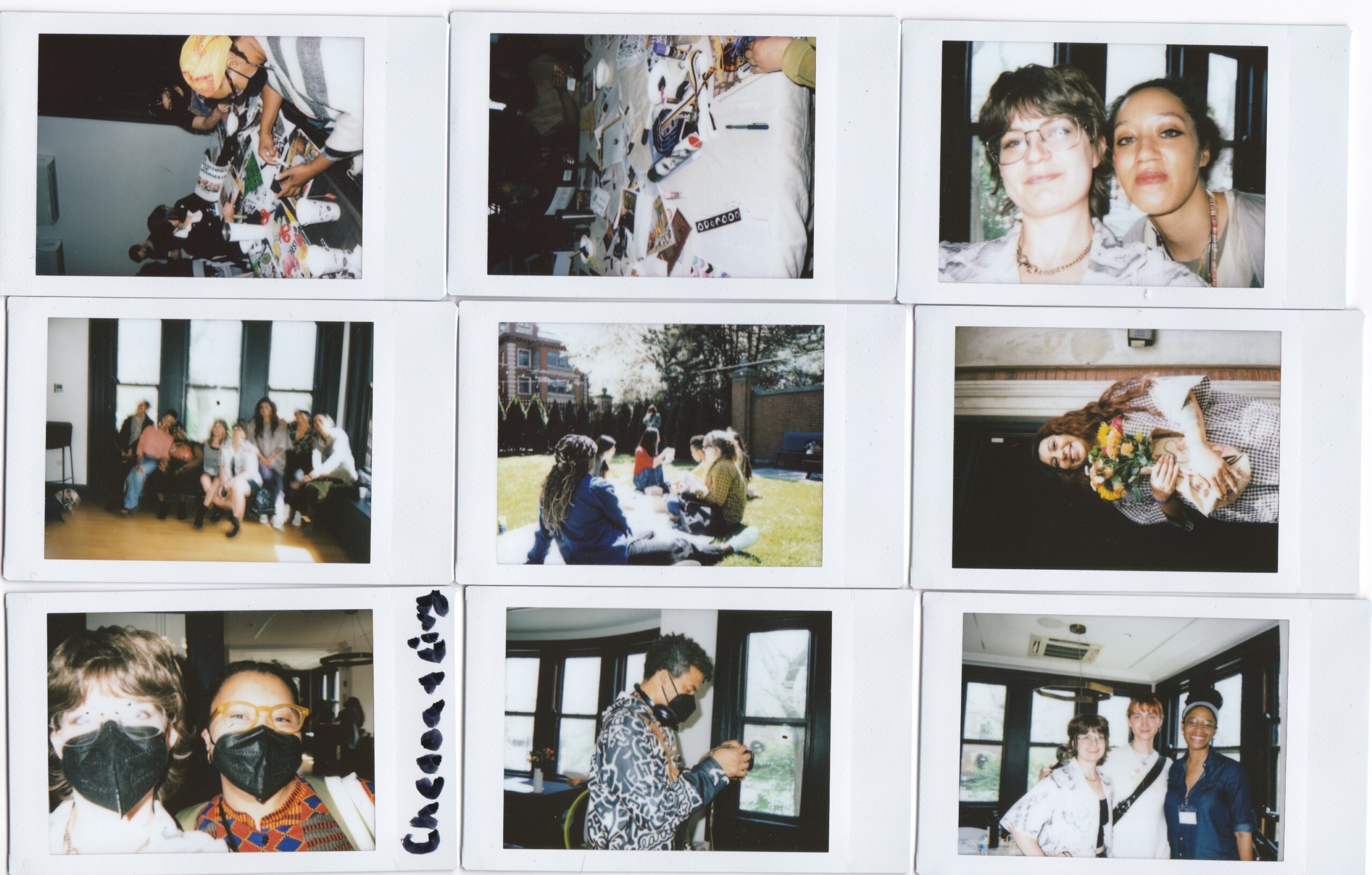
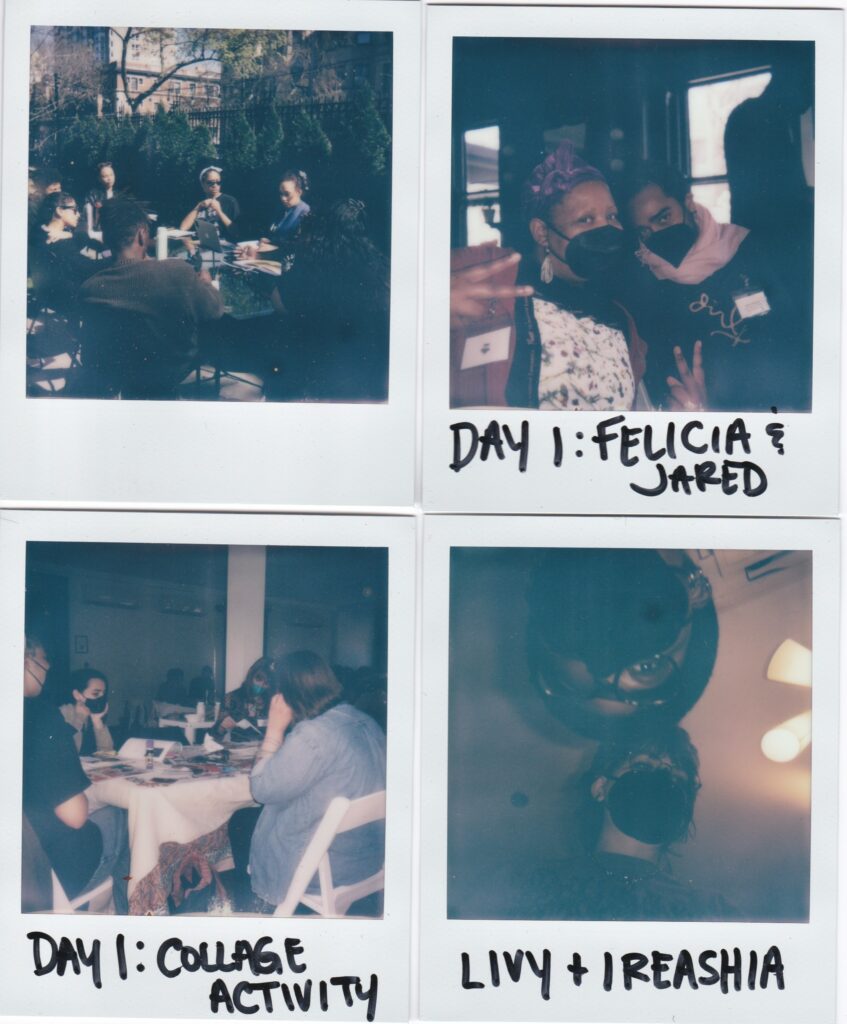
In light of Dr. King’s words, we are introducing a new series of interviews with the Sixty team. This series—Creative Adaptations—was born from a desire to peek behind the screens of virtual meetings or email threads and to remember why we do what we do at Sixty. We are not bots behind an algorithm. Sixty’s content is not generated by complex formations of 0’s and 1’s but by the labor, brilliance, and defiance of tired hearts pumping blood and aching bones continuing again. It is not for accolades that we love our work, but because of our shared values that bring us together as artists, writers, editors, archivists, memory workers, and organizers. And in the spirit of King’s 1966 speech, we find that our maladjustments—our discontent with the status quo—are our greatest strengths. As Dr. King encourages us to do, we take pride in our maladjustments.
It is the collective work and effort of a team that brings us closer to envisioning a space where artists, arts laborers, archivists, editors, and creators of all sorts are supported, understood, and seen for themselves. This column is meant to be a reminder for ourselves and, our dear readers and friends, of why we do what we do and how. We hope to uplift the values of Sixty as a team of individuals working together toward collective goals and invite you to reflect with us on what keeps your fire going and your humanity close.
In the coming weeks, we will share intimate interviews with Sixty’s core team members that illuminate the work they do and how they see the world through the work they do. We hope that these conversations give you a peek behind the scenes at Sixty, offer a sense of our shared values, and inspire you to reflect on your own vital role in the fight for liberation.
With love and solidarity,
River Kerstetter, Nadia John, and Ireashia Bennett
Sixty’s Core Values
- Trust and Integrity: We trust one another to occupy these roles with integrity and a commitment to accountability to one another, our communities, and Sixty’s values and purpose as a way to build trust across the team.
- Care (for ourselves, our communities, our cultures, and culture makers/keepers): We understand that caring for communities also means caring for ourselves and one another, and that this kind of care is complex and sometimes comes in the form of loving critiques, thoughtful feedback, tough conversations, uncomfortable confrontations, and complicated misunderstandings. We will approach these practices with kindness, grace, and patience.
- Open Communication and Transparency: We will hold space for courage, curiosity, patience, and assuming best intentions when we attempt to practice open communication and transparency with one another as collaborators and members of the Sixty team. These are highly vulnerable and imperfect practices, so we do our best to hold radical amounts of grace and patience as we deliver and receive attempts to exercise this value with one another.
- Collaboration and Partnership: In the words of Mariame Kaba, “Everything worthwhile is done with other people.” We commit to using collaboration and partnership as foundational components of everything that we do as a team, as an organization, and as a collective. We each commit to an understanding that co-creation strengthens our ideas and the work that we do, and partnerships helps us build coalitions, harness resources to the benefit of our communities, and expand/deepen our relationships–all necessary to sustain and stabilize Sixty.
- People over Productivity: We place people over productivity by acknowledging that two things are true at the same time—we are all doing incredibly important work and it is essential that we follow through on the promises we make to one another and our communities and, also, we’re living through wild and challenging times that require higher levels of tending and caretaking. We commit to finding creative solutions that allow us to both honor our obligations and also honor the steps we must take to keep us healthy and sustained.
- Co-Leadership and Shared Labor and Decision-Making: Being worker-led means we commit to working to break unhealthy hierarchies and questioning power dynamics that traditionally exist within nonprofits. This way of working calls everyone to take on positions of leadership at different times. Co-leadership and shared decision-making is also complex because it sometimes requires that we consent to team members making decisions on behalf of the team, and trusting that those decisions are made in the best interest of the team. We commit to understanding that this is a process that is always evolving and requires us all to contribute to the conversation in an ongoing way.
- Flexibility, Nimbleness, and Adaptability: As an organization built by and for communities that have often had to seek creative responses in order to survive in a hostile world, we commit to harnessing and learning from the legacies of our communities in order to decide what moves (or pauses) we need to make in our daily and long-term work, goals, and plans.
- Expressions of Appreciation and Generosity: We commit to never taking for granted the distinct qualities and valuable contributions that our communities and we each as Sixty team members bring to the table. We acknowledge this through generous affirmations and expressions of gratitude consistently, and in small and big ways.
- Value and Acknowledgement of Labor: We commit to continually finding ways to both share our own work and acknowledge the work of everyone on the Sixty team as a way to push back against the invisible and unacknowledged labor that is often a part of nonprofit work.
- Advocacy and Liberatory Practices: We commit to approaching our work through a liberatory lens that works to challenge and dismantle systems that have historically harmed Indigenous, diasporic, trans, queer, and disabled communities. We commit to acting as unapologetic advocates for the health, wealth and livelihoods of the creative and geographic communities we serve, taking our cues from the historic and living legacies and teachings left by those who set the groundwork for our liberation.
- Exploration of Shared Histories: While all members of Sixty’s team live and work from many intersections of our communities, we acknowledge and remain curious about the perspectives, cultures, and histories that are outside of our own. We always hold, make, and seek out space to learn about and gain more understanding of the distinct identities and experiences across Sixty’s teams and communities.