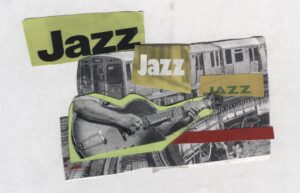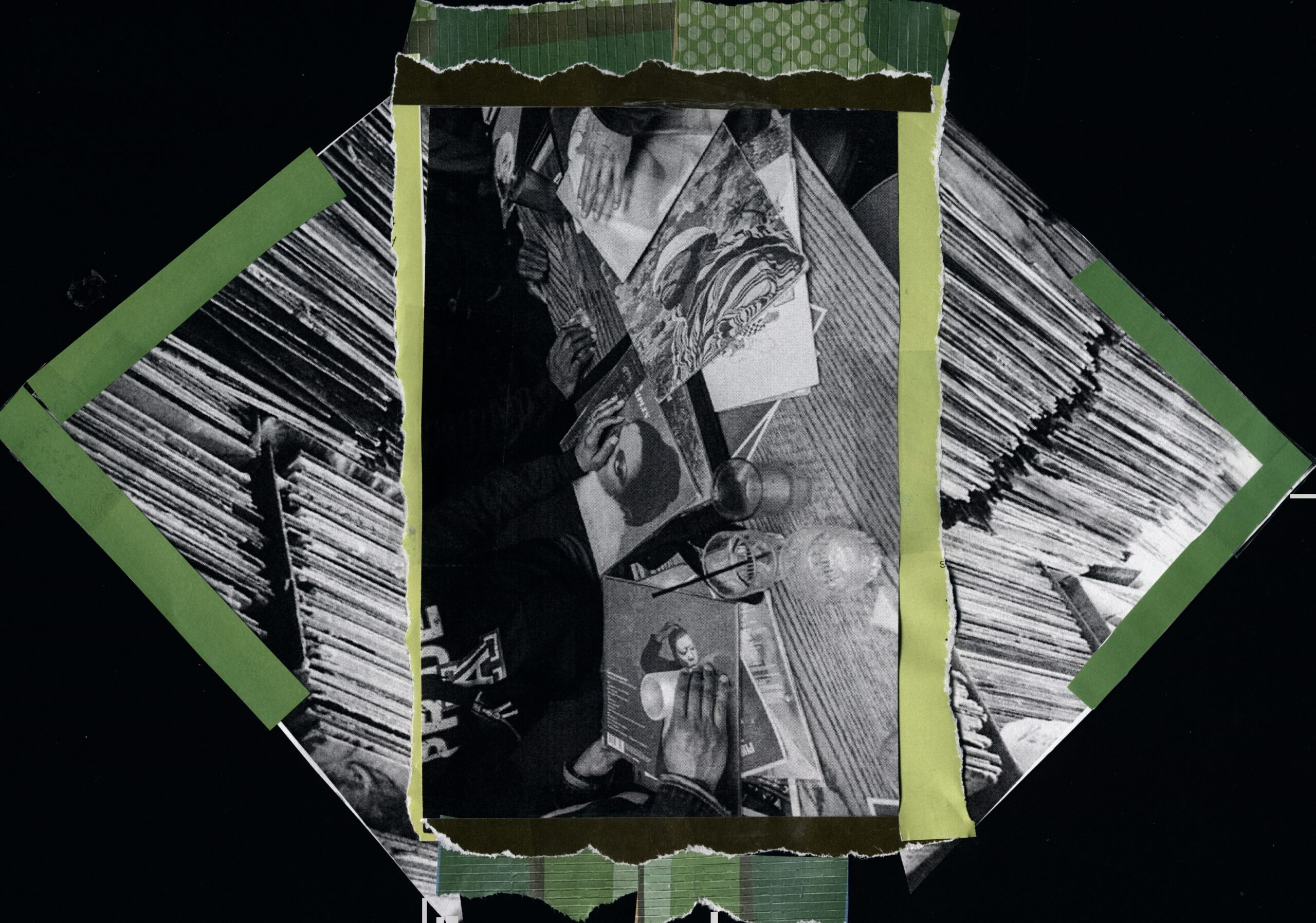
Tuning Away from Mechanized Listening features Midwest’s music ecosystems—listening cultures where thoughtful curation, collective engagement, and storytelling still shape what and how we hear. This series is meant to be a reminder: listening can be more than a passive, forgetful experience.
The record. A thermoplastic resin shaped in the form of a disc with tiny, intricate grooves that generate a sound at the touch of a diamond stylus. It’s a sound format, created over a century ago, that’s captured many generations of listeners with its warm, analog sound. And while streaming music currently dominates the listening industry, vinyl record sales have significantly increased in the past few years. Some journalists, like Pitchfork staff writer Mark Hogan, say we have Gen Z to thank for the recent “vinyl boom,” and others note it as a growing trend among audiophiles since the late 2000s. Regardless of the reason, the record is anything but dead. And for the people purchasing all these records, like myself, we like to share them, listen together, and hone our tastes. Our record collections are a listening practice and a story. They’re an extension of ourselves.
In the following interview, I turn to The Vinyl Collectiv, a new organization in Chicago bringing together communities around records and the art of record collecting.
The interview with Virginia Shipp from The Vinyl Collectiv was recorded over Zoom, then edited and transcribed.
Livy Snyder: I want to ask about The Vinyl Collectiv’s description and the use of the word “real.” You describe it as “where real music lovers meet in real life.”1 This interests me for many reasons, but mostly because of something I read in Liz Pelly’s book Mood Machine: The Rise of Spotify and the Costs of the Perfect Playlist. Pelly’s book is a big inspiration for this interview series, and I even quoted her in the introductory piece. I’ll share the excerpt because it’s something that might also resonate with you. In her book, she calls out a Spotify advertisement from 2013 featuring two young people sharing a pair of headphones, about to kiss. The tagline of the ad reads: “Because mixtapes still work.”2 Pelly talks about this as an example of Spotify framing their playlists as akin to the mixtapes of the past—handcrafted, intimate, and engendering a human connection. Of course, we know now that their model has shaped a very passive listening culture that, as Pelly argues, pushes us further apart. Long-winded as my build-up to the first question might be (haha), my first question is, tell me about the “real” in the description of your organization. Why is the “real” important to you?
Virginia Shipp: Great question. Just going back to the beginning, before I started The Vinyl Collectiv, I’ve always had an ear for music. And I was always longing to meet music friends. It doesn’t even matter if we have similar music tastes. I just want to meet people who are as passionate about music as I am.
And so, when I first moved to Chicago, like two years ago, I was longing for that community and I was trying to find it. It’s hard to find at concerts because everyone’s standing around and all that stuff. And I was like, we need a very intimate place where people passionate about music can meet and we could just talk about it. I feel like we listen to music a lot, but I feel like we should also talk about music more because you never know how you can help someone. Like, oh, I listened to this album and it got me through this.
So that was one of my main ideas before I started The Vinyl Collectiv last August. I did not know what to expect, but I was really happy at the same time because I was like, I’m finally going to meet some music friends. So I guess the real music part comes from people meeting in person and being as passionate about music.
With vinyl, you have to have a certain amount of care for music because you’re actually going out and buying someone’s vinyl, you’re actually supporting the artist instead of using a streaming platform, you know? So I feel holding a vinyl is a part of “real” music because you actually have it right in front of you. And you can’t really skip it because it’s hard to get vinyl. Having vinyl adds another layer of real music and togetherness. It creates this whole community of people who are very passionate and who care about music.
LS: I love your story of just coming to the city and diving right into community building. And I just want to echo what you’re saying about records. As a person who collects vinyl, CDs, DVDs, Blu-rays, cassette tapes, books—I am a huge physical media person—there is a major difference between a tangible object you collect versus streaming. Don’t get me wrong, I certainly stream stuff on occasion, and it has its convenience, but I’m trying to move away from that as much as possible. I much prefer the experience of playing physical media from my own collection anyway. With streaming, media feels disposable. Building a collection is an investment, and I can really describe my own taste. I think that distinction appears in the description of your organization when you use the word real.
Tell me about the collaborators of The Vinyl Collectiv. I’m curious to hear more about how you met and built the foundation or the organization.
VS: I feel like I’m kind of the face of The Vinyl Collectiv, but this wouldn’t have happened without my two partners, Landon Campbell and Cameron Phillips. They really helped me with curating this community too. It’s not just me running this, it’s also them too.
Landon is my boyfriend. We met a couple of years ago through a mutual friend, and Cameron is my friend. We met last year through a mutual friend too but weren’t close at first. We started to get close when he attended my second Bring a Record, Catch a Vibe event in September. He immediately wanted to join the team and support me right after. So shout out to them.
And also, yeah, I definitely feel like we’re riding this wave of vinyl that is coming back. Now is the time to really bring back analog music and really bring small, intimate communities together that have a focus on one thing.
I’m really happy that people are finding The Vinyl Collectiv to be a great community, like I said, where they meet friends or they get connected to someone who has similar interest or like, they just get put on to a new song that changes their life. That’s our main focus. And we’re very, very, very open. We’re not just like, oh, we’re having a meetup only for jazz music or only for house music, we are open to any genre. That’s something else that I want people to know: we are a very open community, [with a] focus on music.
LS: Now, is it safe to assume that vinyl is your favorite media? How did you get into collecting vinyl? And how do you organize your collection?
VS: Oh yeah, that’s a great segue. Yeah. I would say vinyl is my favorite media. Because, like I said, I get to hold it. I am so in love with album covers. There would be times where I go into a record store, never heard [of a] record before, and just pick it up and buy it because I love the album cover.
It’s also like, you start collecting, you know what I mean? [There’s] an art collecting layer too. And yeah, I first started collecting vinyl back in 2020 during the pandemic [because] I didn’t really have much to do. I would order vinyl online because I just got a new record player for my birthday. And once I started, I couldn’t stop. It was kind of like eating candy, like eating Skittles. I just can’t stop eating them. I think right now, I have, like, three hundred records. I’m originally from California, so half of them are in my parents’ home in California. And then I restarted my collection here when I moved to Chicago. So I’ve just been addicted to collecting vinyl because, like I said, I like hoarding the vinyl, listening to it, and also it’s a niche.
LS: So do all the record store owners know you by name now?
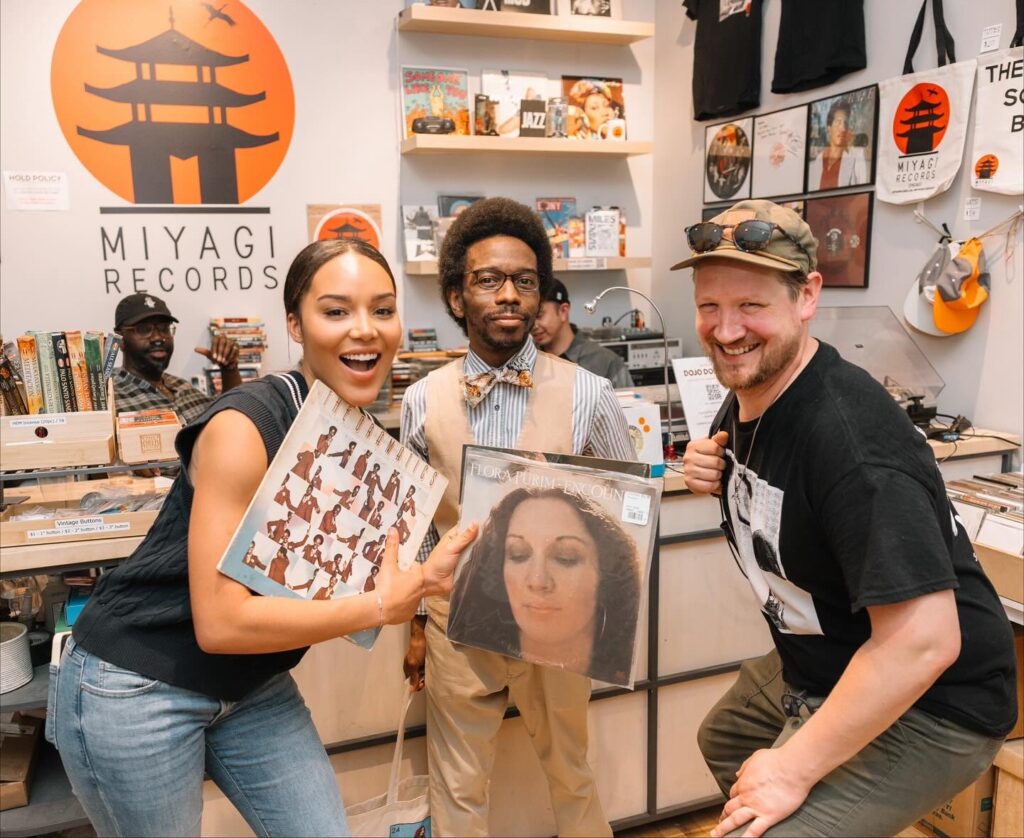
VS: They know me. We [have] actually hosted events at Miyagi Records and Bridgeport Records. So they’re like, okay, Virginia is a regular, she helps support. So yeah, I’m glad. I’m glad about that.
LS: I love it. I want to hear about your personal listening setup too. How do you curate your listening space? And what’s your listening routine like?
VS: I actually have my set up right there [Virginia points behind her to the left]. [It is a] Pioneer vinyl DJ set. And then I have all my vinyls in this little storage unit [shows glass case full of records]. So that’s my setup. I literally love listening to music in my house. Obviously, because I have a record player in my house, I usually listen to vinyl when I come home from work after a long day. It really depends on the mood that I’m in, but I usually just listen to some very chill music because my day job can be pretty stressful.
I’m a system’s engineer by day at a financial firm. So listening to vinyl and stuff is my escape to relax, to soak in all the music, and just really appreciate the whole album without any skips. Every time I put on a record, I try not to skip it.
When I listen to music on my phone, I can just go to [a] song, and I might queue up another song, but, it helps my instant-gratification brain to calm down, chill, and like, listen to the whole record. [That] makes me fall even more in love with it. So yeah, that’s my whole setup.
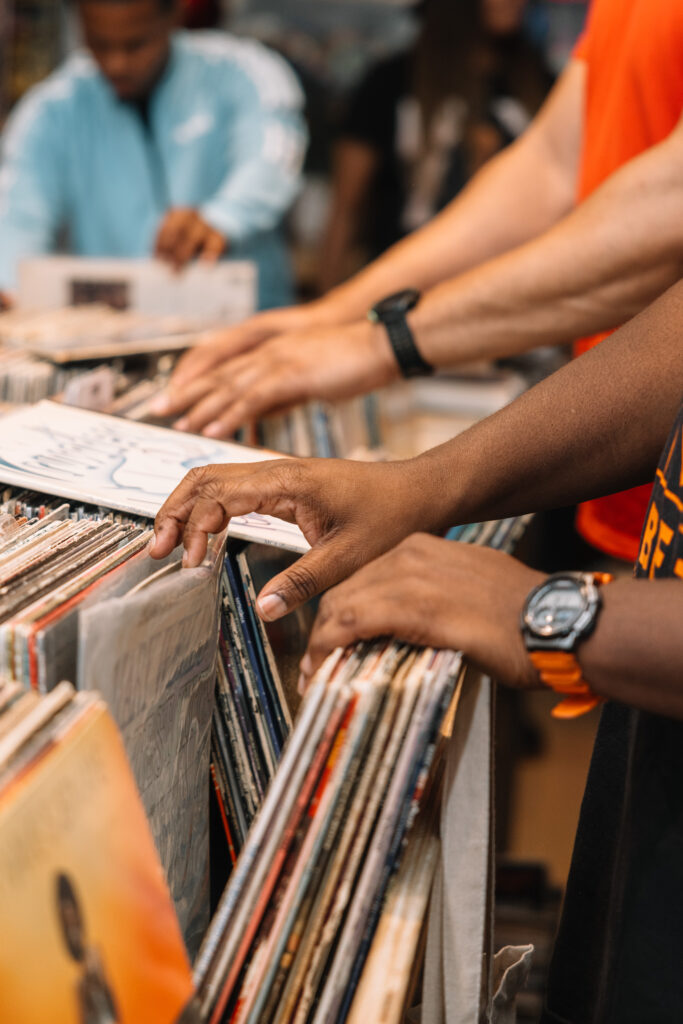
I love any genre really, but I tend to go for jazz because jazz is my favorite [and also] soul, funk, disco, house, hip hop, rap. And I gravitate toward jazz, soul, hip-hop, and Brazilian bossa nova. I have many different playlists related to those genres. I have a really huge genre collection and to this day, every single weekend, I go to local record shops, go through the records and buy vinyl.
And when I go to a record store to pick out a vinyl record, I usually like to start in the jazz section. And I also like to look in the soul section because I have, like, a huge playlist on my phone. I usually try to find some records that I [listen to] on my phone at the record store. I also buy some records online because, you know, there are records that are not available at the record store [but are] on Discord. So I try to do that and I try to make my way through every crate, usually.
I love the $1 crates. I find some gems in those crates. I’m just like, wow, people should look at the $1 crates more.
LS: Wait! Don’t reveal any secrets.
VS: I know. Exactly. Sometimes you gotta save money on vinyl, but yeah. I love those $1 crates for sure.
LS: Same. It’s nice to give them a new life. Is there an example of a record that you put on that you kind of struggled to get through, but now you really love?
VS: Yeah, that’s a great question. Can I actually get it for you real quick?
LS: Go for it.
VS: Okay. I don’t know if you heard, Jamiroquai. Yeah, literally, this album, the record Return of the Space Cowboy. So when I first found out about this, it was on my Apple Music streaming platform. I just heard this one song called Morning Glory. And then I was like, I’m not gonna listen to this full album. Whatever. Then I actually bought this vinyl in Paris because I was there for a concert and [I thought] I have to buy this because I couldn’t really find it at any other record store. And then, you know, there are two records. And so I was like, okay, I’m actually going to listen to the full album without any skips because I only really knew one song. So I listened to the whole album and I was like, this is literally a masterpiece. As I said, it goes back to that experience where I couldn’t really skip it.
I told myself not to skip it and it really made me appreciate the album more. I was like, why didn’t I just listen to the full album? Because the song is so good. I like the song [Space Cowboy] more than the other song that I discovered from this album.
So I would say, yeah, generic. Space Cowboy is my favorite. At first it was hard for me to really get into it, but as soon as I played the whole thing, it’s one of my favorite records of all time.
LS: That’s so cool. Honestly, I haven’t listened to that album in such a long time. Like over ten years. After the interview, I’m going to listen to it.
VS: So upbeat, it puts me in a great mood. I love it.
LS: So shifting gears a little bit. As I understand it, The Vinyl Collectiv has lots of different programming, including Bring a Record, Catch a Vibe and DJ on Deck. Can you share the thought behind the programming and how it has evolved over the years? How do you hope it will grow in the future?
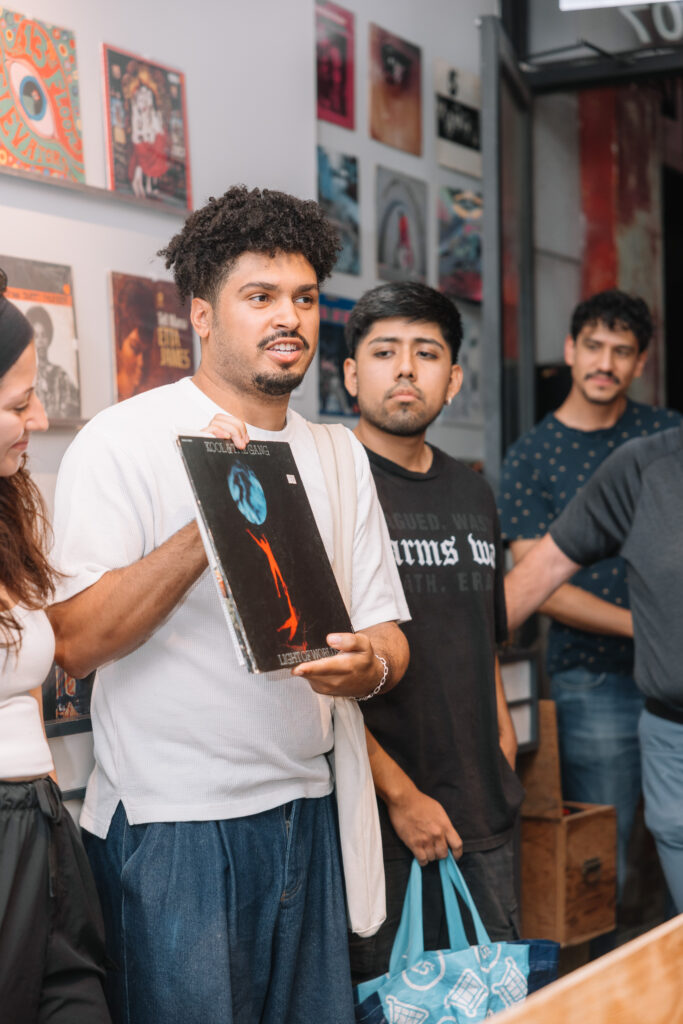
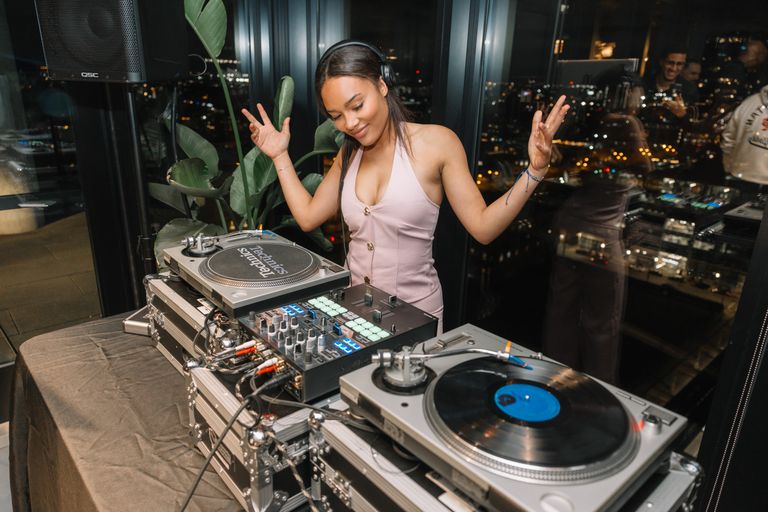
VS: I started The Vinyl Collectiv last August. And our first run was the Bring a Record, Catch a Vibe. It’s where people bring one to two records that are in their rotation right now, it doesn’t matter the genre, and we meet at a spot and we just talk about it.
Then [at] our next Bring a Record, Catch a Vibe event, we added a vinyl DJ to uplift the experience a little bit more. We’re like, okay, I think people will want to see a vinyl DJ, you know what I mean?
And then we started to do more of the same format. More and more people start to come. More people started to meet other vinyl collectors, which was really cool. I started to meet local vinyl DJs, gain their contact information—my lists of vinyl DJs in Chicago has grown so much [since] starting this—and I was like, you know what? I think I want to start a thing called DJ on Deck, basically showcasing local Chicago vinyl DJs. And so far, we’ve only done one of those because, you know, it’s a trial and error thing. I think we kind of need to showcase it a little bit better, but basically, we had a local Chicago DJ that we were showcasing. Think of [it] like Boiler Room style, where you’re filming the DJ, but you’re also filming the audience.
We got some good footage and all that stuff, but it didn’t really turn out to be the view that I imagined, just because I was so set on Boiler Room style. I want people to dance like go DJ, blah, blah, blah, and like, some people just don’t want to dance, especially with R&B. Some people just want to chill, you know what I mean? Some people just want to relax, chill, have a glass of wine, and have a conversation. Then we also noticed that people were bringing records to our DJ on Deck events. So [I thought] like, okay, let’s bring the audience in a little bit more.
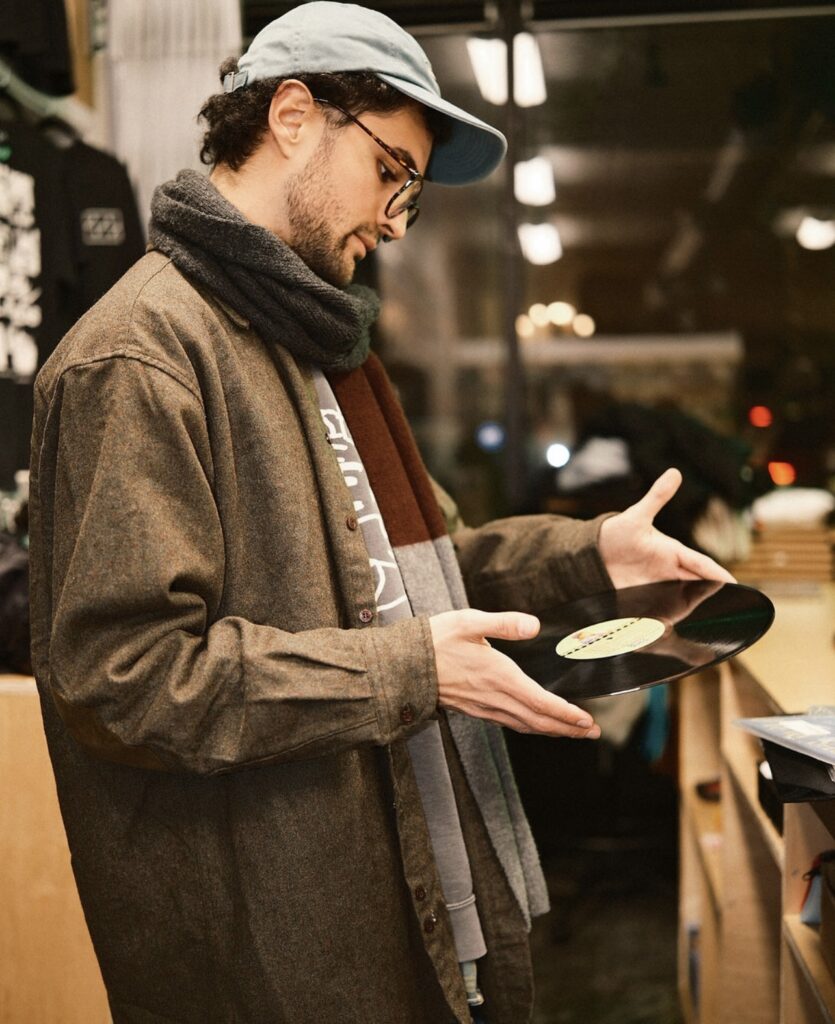
People love the Bring a Record, Catch a Vibe event, so that’s what we’re going to [keep as] our main focus right now. That’s what we’re going to continue until we come up with another great idea. And I think the beauty is we host at different places in Chicago so we’re not just stuck to one place. We host at record stores, lounges, bars. We’re even speaking to an art gallery. We just like to differentiate our audience’s view of things. So they get like, oh, I’ve never been to this bar over here, I’ve never been to the South Side, the North Side. I think that’s what also makes our Bring a Record, Catch a Vibe event style really fun.
LS: Do you have any specific stories about people meeting that really stood out to you at any of these events?
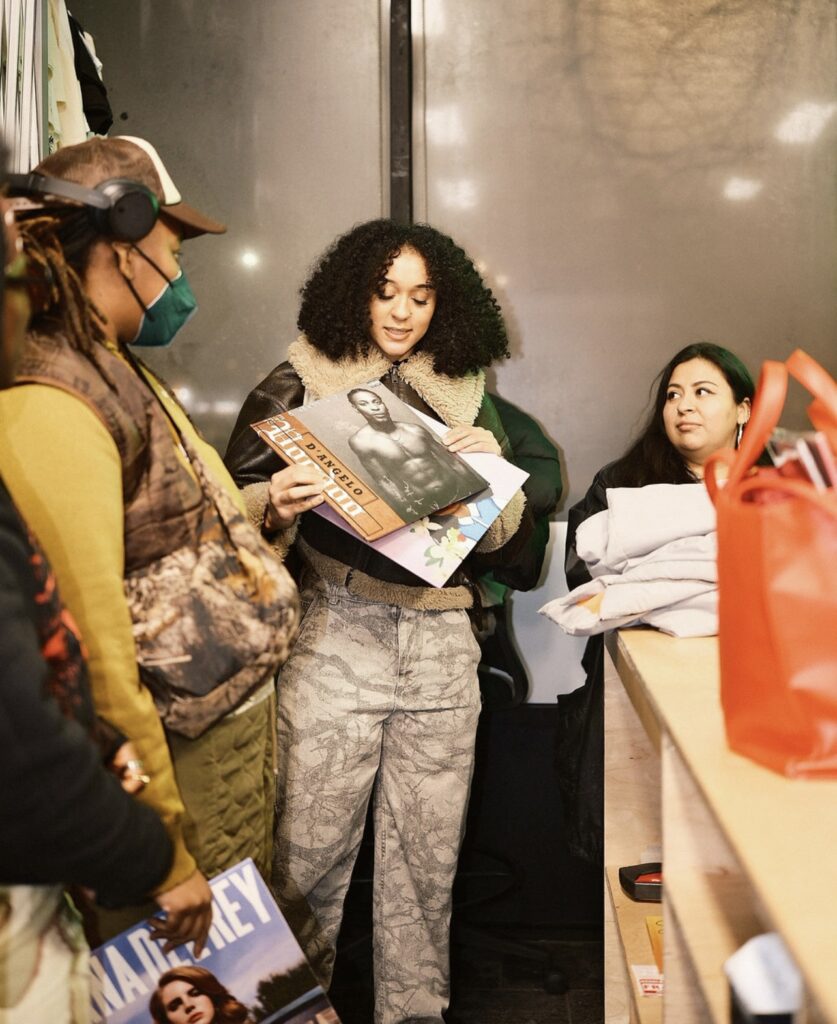
VS: So many. There was this one guy who came when we first started, like probably two months [after], and we had our meetup at Miyagi Records. We were going around talking about our records and all that stuff, and then after that, he said that he is a producer for this famous underground rapper called Ghostface Killah. And I’m like, wow. We’re bringing in producers here, that’s insane. And then also, recently at our meetup at Signal Records, I met these two people who are starting their own record label. I’m just like, this is so awesome. [I also met] someone else who’s in comedy, someone else who’s also a graphic designer, and some professional corporate people too.
So we’re meeting a cool, diverse group of creative people. You just really never know who’s in the room, which is really cool. And also, I don’t know if you know what ELEVATOR MUSIC is?
LS: Muzak, right?
VS: Yeah. Exactly. We recently had someone reach out, someone who was a co-founder of ELEVATOR MUSIC, [and] follows us on our Instagram. They said, “I love what you are doing.” So you never know who’s watching. Bringing all these music creatives and music lovers that come from different backgrounds into one room is amazing. I think that’s probably the best thing that’s come out of the Bring a Record, Catch a Vibe events.
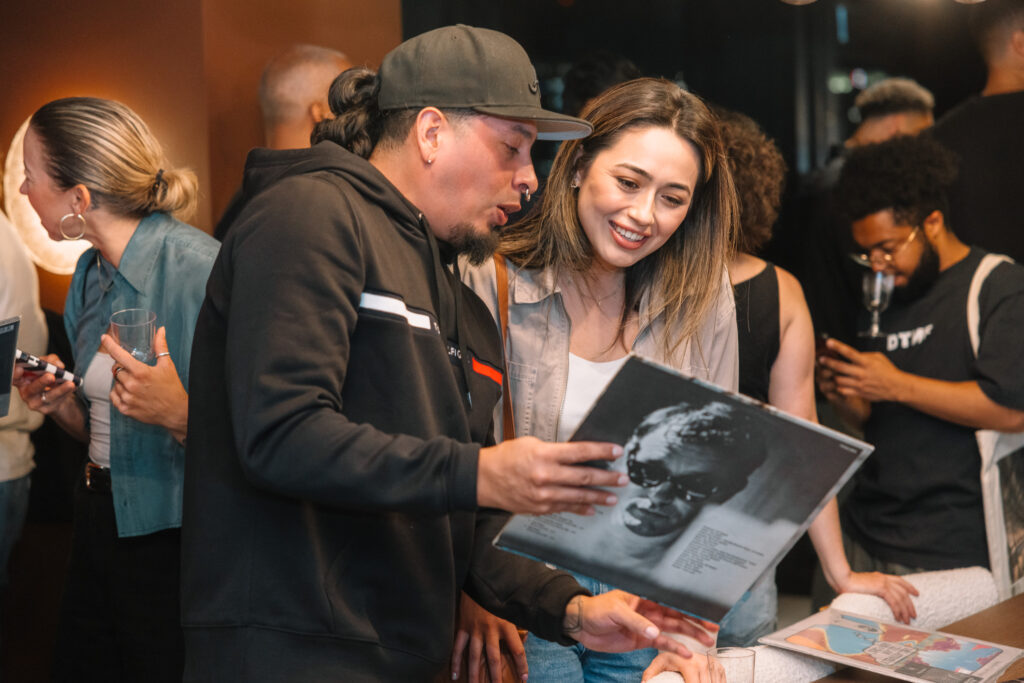
LS: And it seems very unpretentious.
VS: It really is.
LS: That stands out to me because, yeah, you might have someone who has been producing music for years and years, but then you also have some people who are for the first time making their own record label, and you might have someone who has never collected vinyl at all in their life. But it seems like the tone you’re setting is really just genuine openness.
VS: Yeah. And no judgment and just a genuine connection. Like, hey, we’re just here to listen to sound. You know? And meet new people and explore these new places.
I literally witnessed two people—one person just moved to Chicago, the [other] person just moved to Chicago too, and now they’re best friends. They go record store shopping all the time. They go to concerts together. So I’m glad that people are actually making friends from this and making true connections. That’s why I started this.
LS: Yes, I think there’s a real desire and need for people to connect and gather in person right now. It almost feels obvious to say that, but we’re living in a moment where so much of our culture is isolating. Discovery and connection are often siloed and we end up in our own echo chambers, not really encountering things or even one another in meaningful ways. That’s where your organization really stands out to me. You’re creating space—even if it’s not convenient, because lugging vinyl to an event isn’t always easy.
VS: Yeah. It’s not, it’s not. And some people come with twenty-plus vinyl. I’m just like, whoa. But they’re just passionate about sharing their music taste and putting people on.
* * *
Footnotes
- The Vinyl Collectiv Website https://vinylcollectiv.com/.
↩︎ - See the full ad here: Paul Sloan, Spotify tries to go mainstream, launches splashy ad campaign,” CNET March 25, 2013. Referenced in Liz Pelly’s Mood Machines.
↩︎
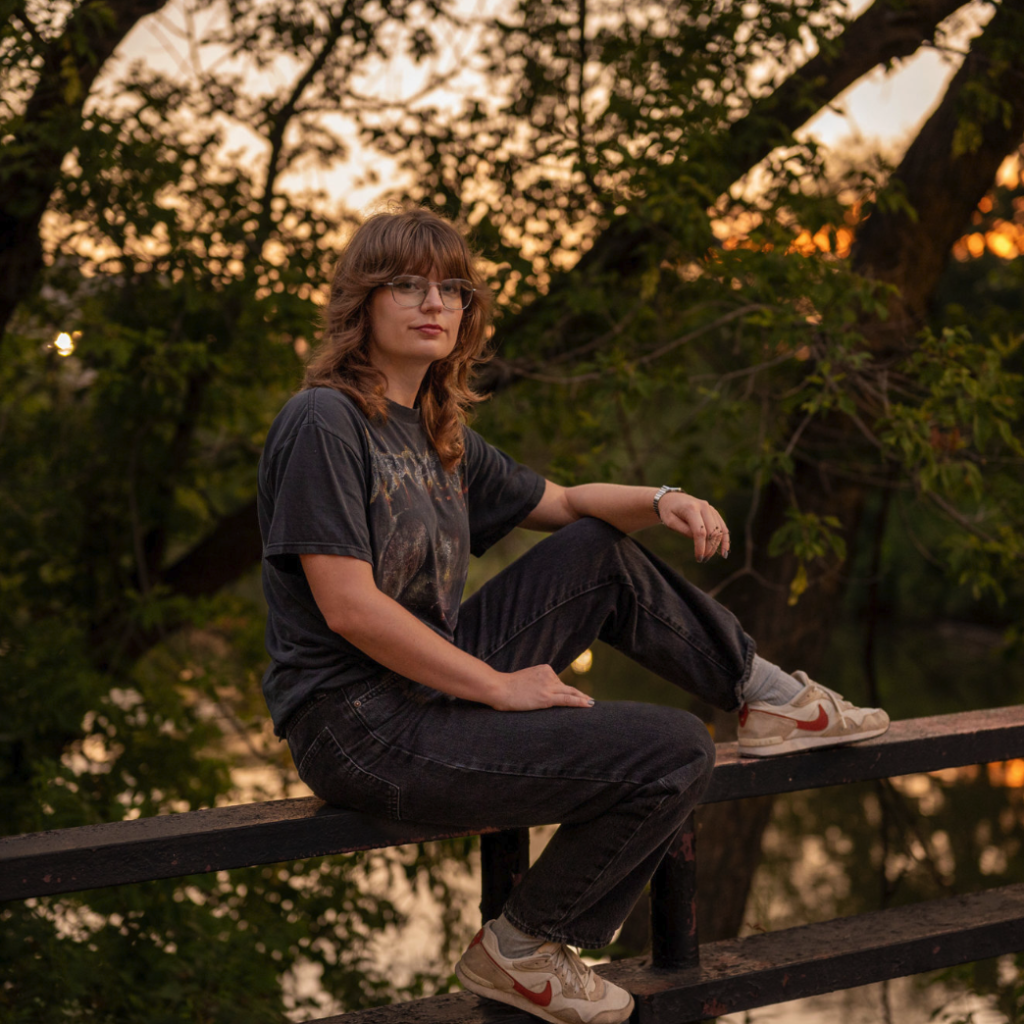
About the author: Livy Onalee Snyder’s writing has appeared in the journal of Metal Music Studies, DARIA, Newcity, Ruckus, TiltWest, and more. She graduated with her Masters from the University of Chicago in 2021. Currently, she holds a position at punctum books and serves on the board of the International Society for Metal Music Studies. Listen to her live on WHPK 88.5 FM Chicago. Read more of Livy’s writing for Sixty here.
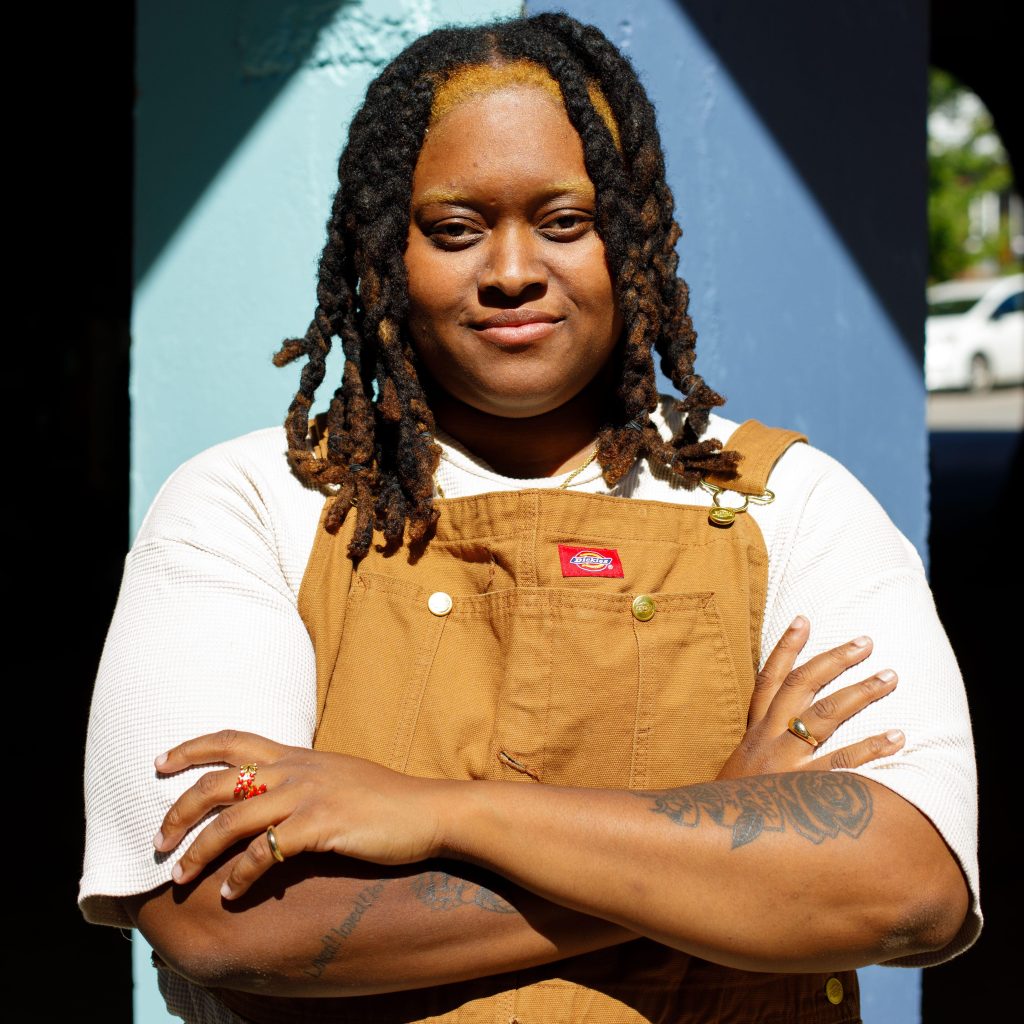
About the illustrator: Bri Robinson is a mixed media artist, analog collagist, sculpture artist, and historian who weaves intricate narratives of love, loss, and identity across the expansive Midwest. Through their unique process of cutting, pasting, and layering, Bri deepens the meaning of these found objects, transforming them into evocative works of art. Bri’s practice is deeply rooted in the exploration of identity, relationships, and the constant evolution of self. By merging archival materials with elements of popular culture, they create thought-provoking narratives that invite viewers to engage with the complexities of the queer experience. Through their work, Bri honors the past while also pushing the boundaries of contemporary art history, crafting pieces that are as introspective as they are expansive. Check out their work on instagram @niq.uor.