In 2013, a Spotify advertisement featured two young people sharing a pair of headphones, about to kiss. The tagline read: “Because mixtapes still work.”1 It was an early attempt by Spotify to frame their playlists as akin to the mixtapes of the past—handcrafted, intimate, and personal. But, as the author Liz Pelly argues about this example in Mood Machine: The Rise of Spotify and the Costs of the Perfect Playlist, despite Spotify’s claim to engender human connection, their model has shaped a passive, mechanized listening culture that pushes us further apart.
After being misled by these false promises, it’s time to disentangle ourselves from these omnipresent streaming platforms and the attention economy. I ask you to reinvest in alternative infrastructures for sonic connection and better listenership. Exit the Spotify app and turn up the FM radio, talk to your local record store owner, follow a music substack, exchange messy mixtapes with a friend, go on a sound walk, purchase a music zine. Engage with sound infrastructures where your listening habits aren’t just data to be optimized or the AI DJ creates playlists riddled with ghost artists. Hold the words of J †Johnson tightly: “Whether we listen to an album alone (or on headphones), or with others at a live show, we are among a community of listeners. That listenership is what bands dream of—not just to have their art and passion celebrated, but to accompany the commons, to provide points of connection between people. We want to be with others, and even in our solitude we have each other in mind. This is music’s pathos, the polis of listenership.”2
Tuning Away from Mechanized Listening features Midwest’s music ecosystems—listening cultures where thoughtful curation, collective engagement, and storytelling still shape what and how we hear. This series is meant to be a reminder: listening can be more than a passive, forgetful experience.
* * *
The latest articles in this series:
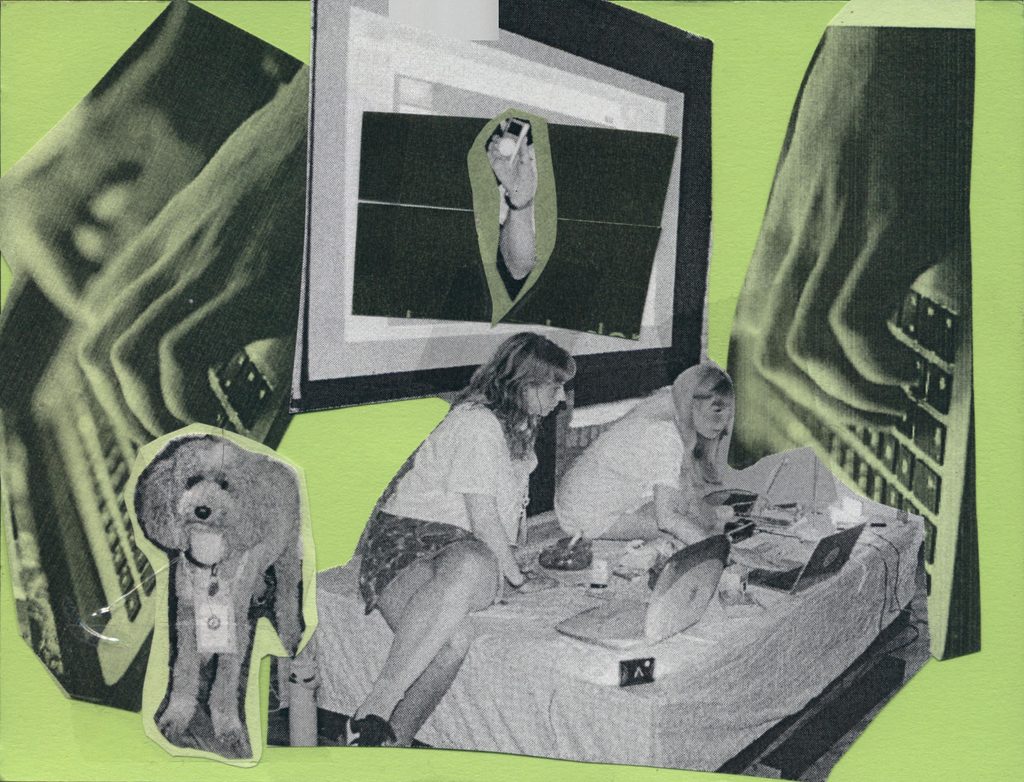
by Bri Robinson
Exploring soothing sonic devices at LATITUDE.
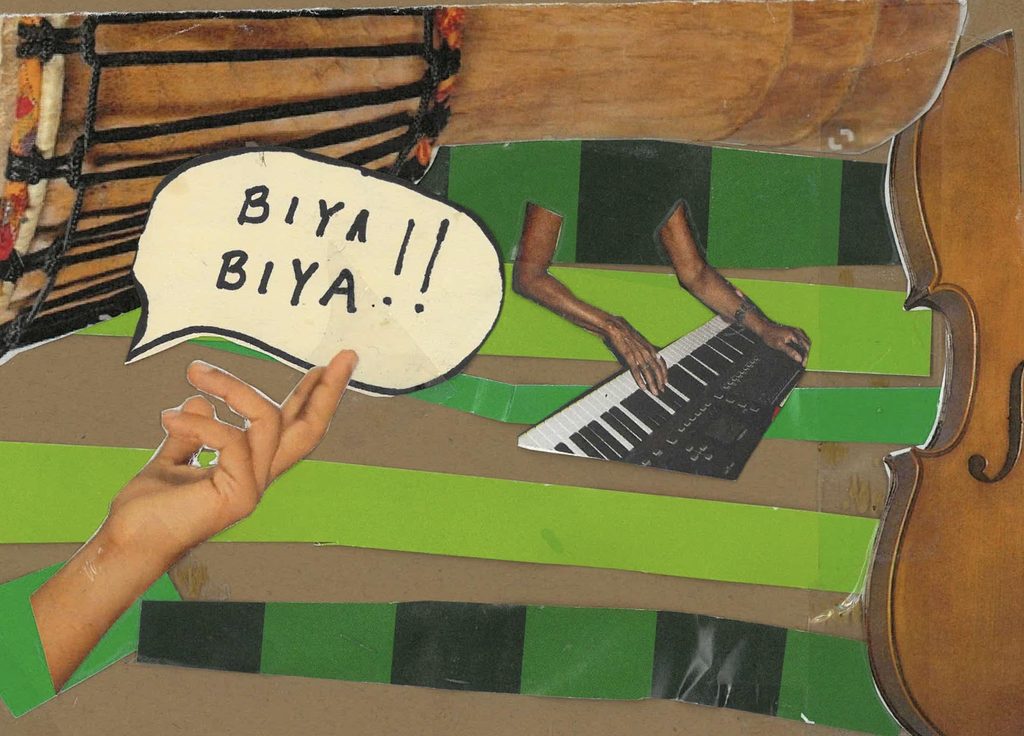
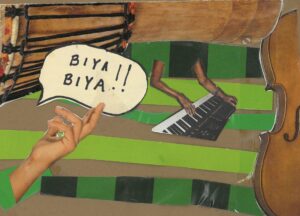
A Call To Gather with BIYA BIYA
by Livy Snyder
A Chicago-based creative agency bridges the gap between cultural preservation and live art making and performing by and for their communities.
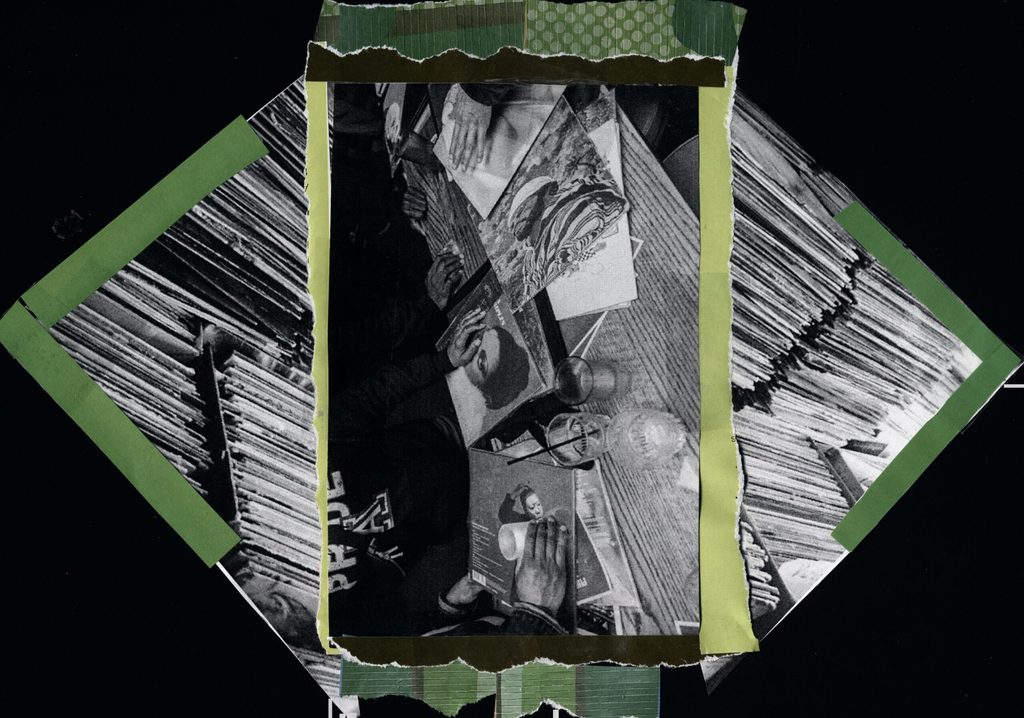
An Interview with The Vinyl Collectiv
by Livy Snyder
Building a community around listening (to vinyl).
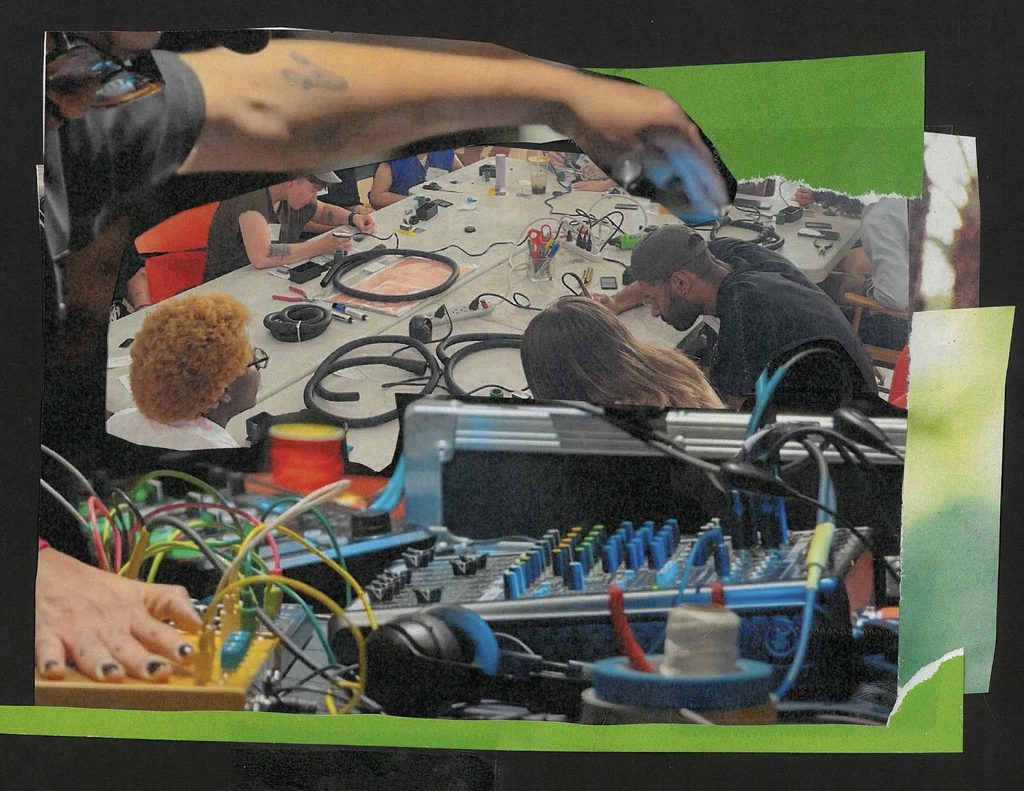
Juanjosé Rivas’s Workshop at Co-Prosperity’s Subversion Camp
by Livy Snyder
A conversation on the idea of planned obsolescence and tech recycling as a means of resistance.
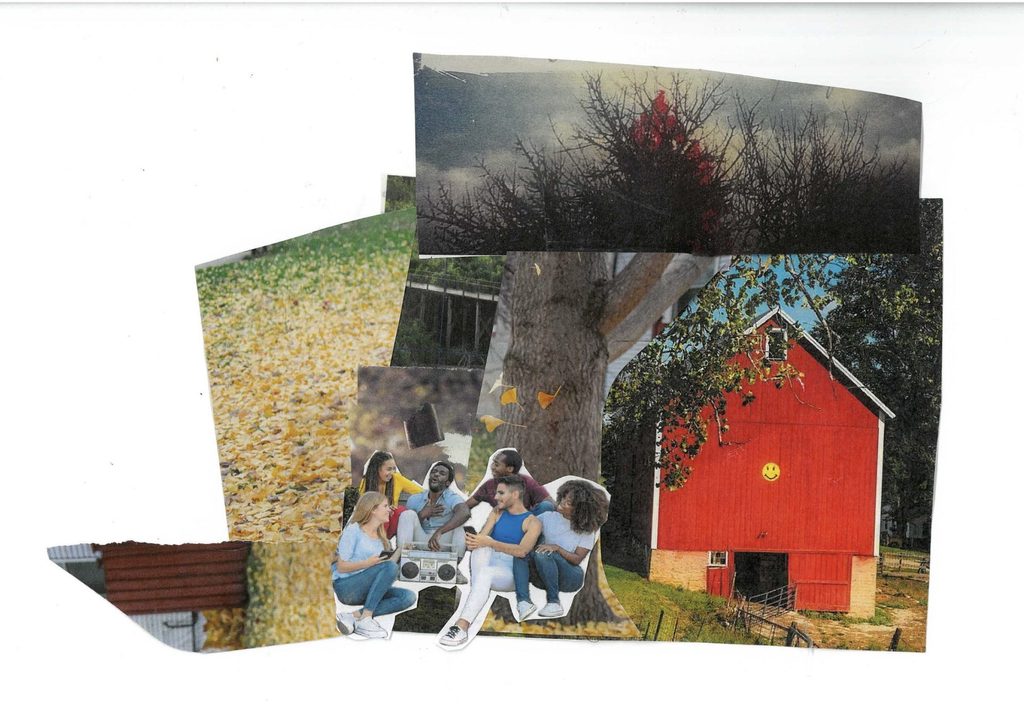
Interview with Teddy Sandler about Sonic Resonance
by Livy Snyder
How does a Wisconsin retreat pass on the art of DJing and active listening?
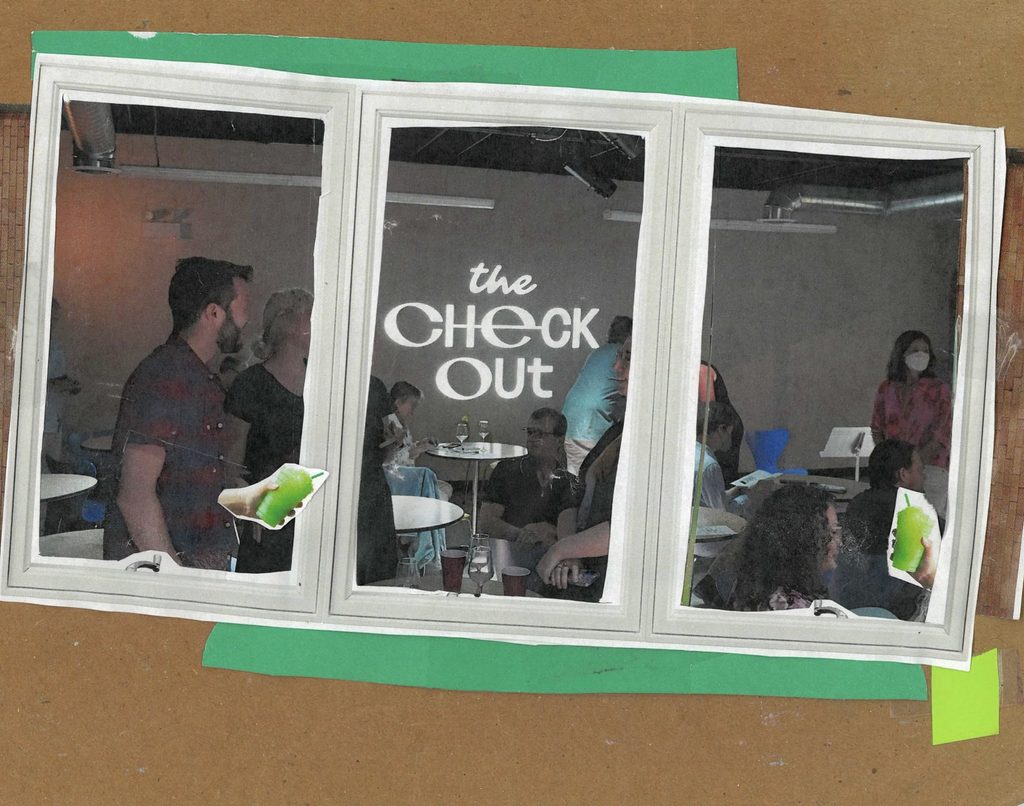
Music making in the window: Access Contemporary Music unveils new concert venue, The CheckOut
by Emily McClanathan
In a former 7-Eleven, a new venue is rethinking how classical music lives in Chicago.
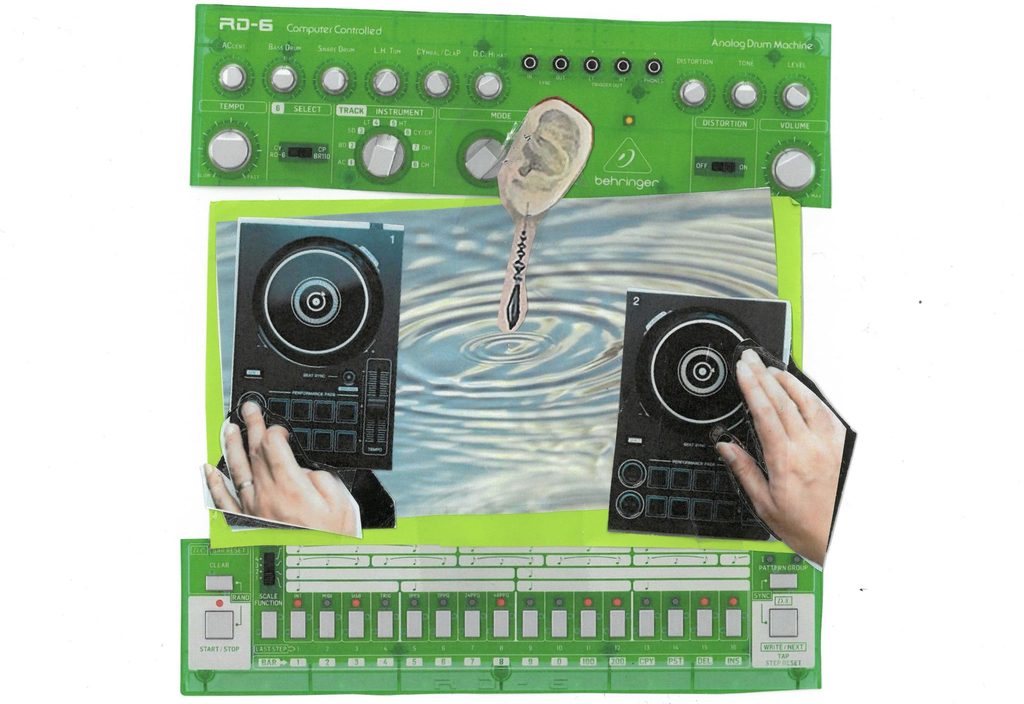
On Craft, Intention, and the DJ’s Ear
by Livy Snyder
What does care look, feel, and sound like in the creative practice of DJ’ing? Andrés Mora Mata reflects on his hands-on workshop in Iowa City.
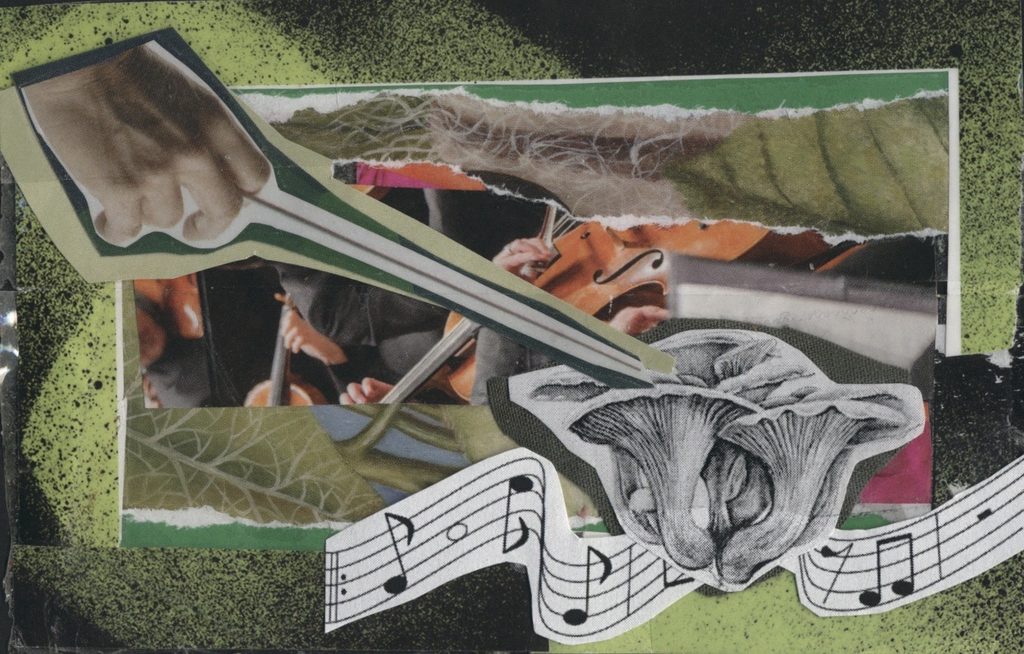
Sound Ecologies: A New Landscape of Music Community
A new classical music collective thrives in Indianapolis.
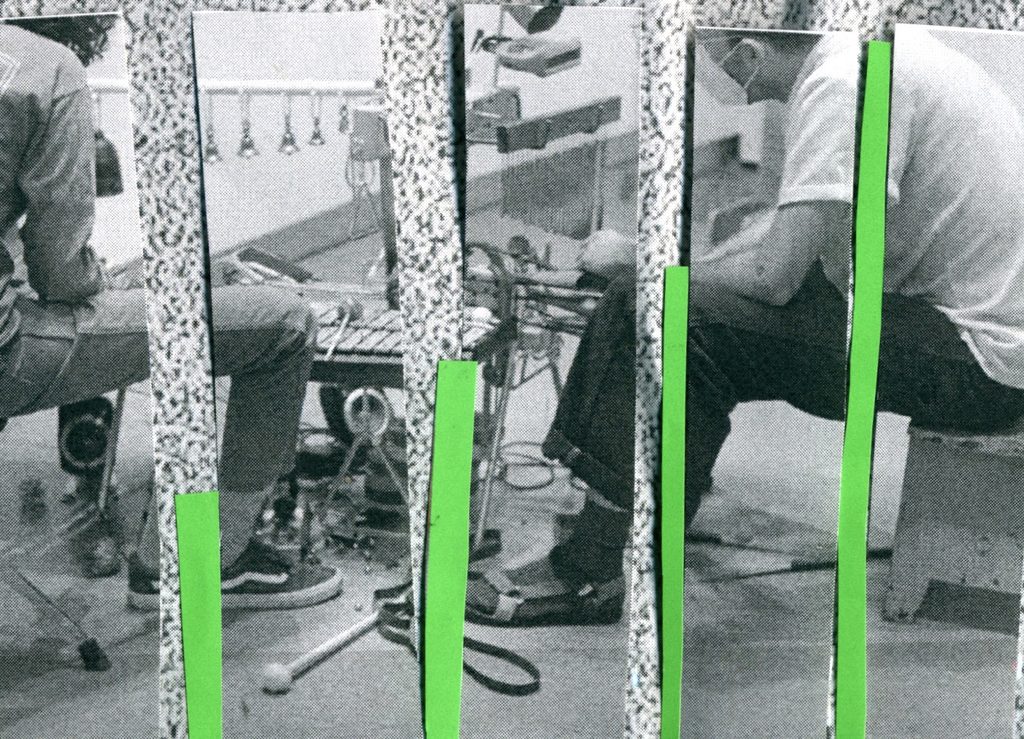
Interview with Madeleine Aguilar and Jordan Knecht
by Livy Snyder
Meet two artists making work that leads people to find their groove and delves into what that means in practice, and as a practice.
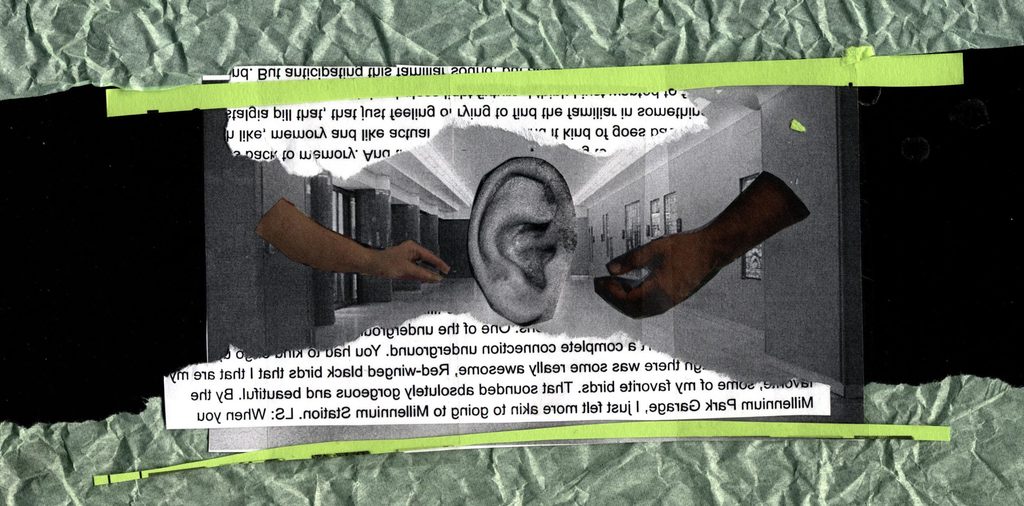
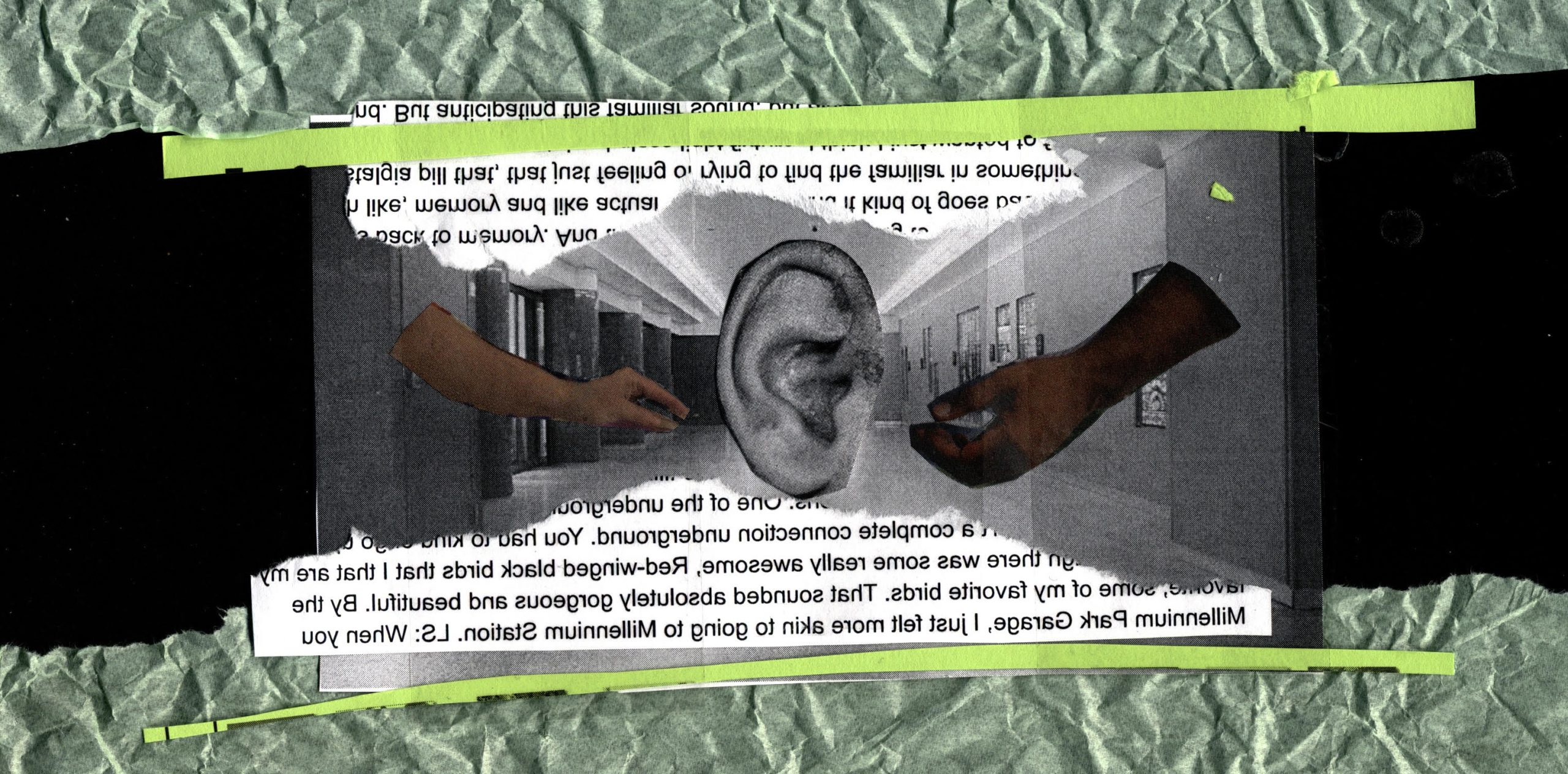
A Sound Walk Through Chicago’s Pedway System with Allen Moore
by Livy Snyder
Allen Moore on his unique practice of improvising in public industrial spaces.
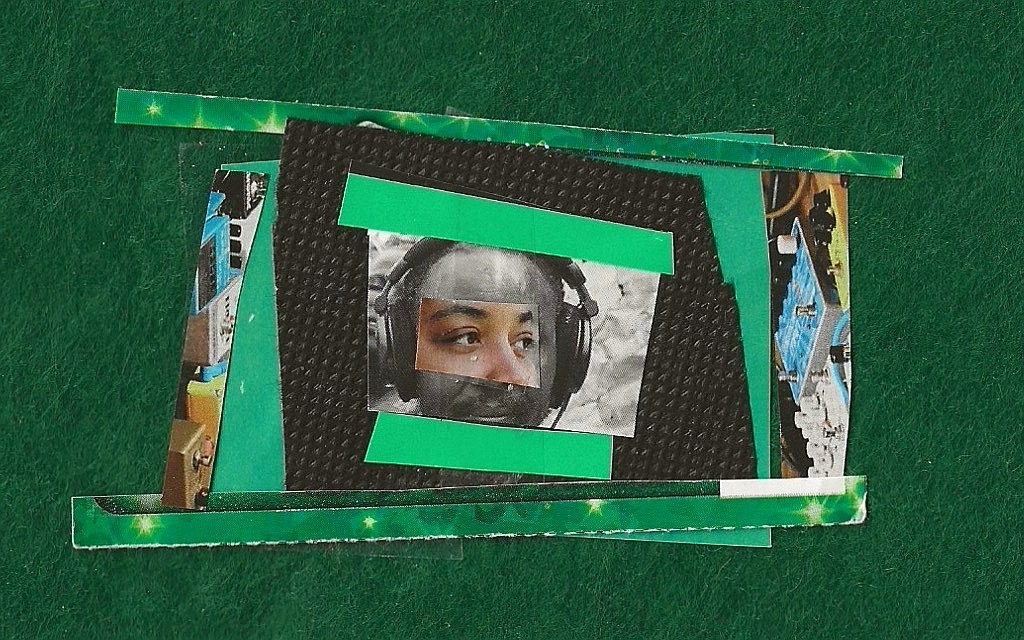
An Interview with WHPK DJS
by Livy Snyder
Chicago DJs Léa Sainz-Gootenberg and Rhea Madhogarhia host Finders Keepers on WHPK 88.5 FM, where they invite guests to share two or three songs to share over the course of an hour alongside personal storytelling.
WORKS CITED
- See the full add here: Paul Sloan, Spotify tries to go mainstream, launches splashy ad campaign,” CNET March 25, 2013. Referenced in Liz Pelly’s Mood Machines. ↩︎
- J †Johnson, Janky Materiality (punctum books, 2026), 201. ↩︎
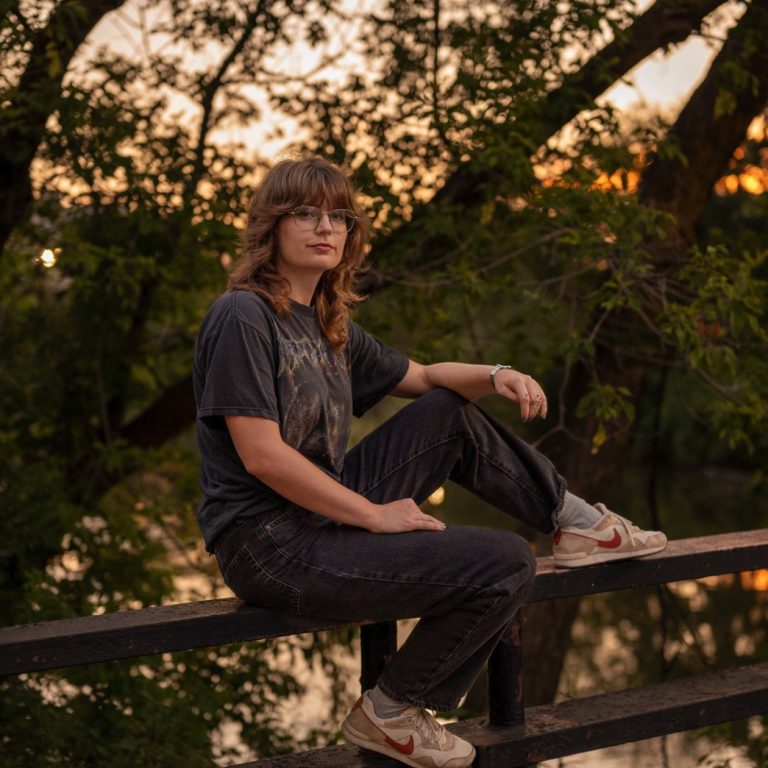
About the editor: Livy Onalee Snyder’s writing has appeared in the journal of Metal Music Studies, DARIA, Newcity, Ruckus, TiltWest, and more. She graduated with her Masters from the University of Chicago in 2021. Currently, she holds a position at punctum books and serves on the board of the International Society for Metal Music Studies. Listen to her live on WHPK 88.5 FM Chicago. Read more of Livy’s writing for Sixty here.
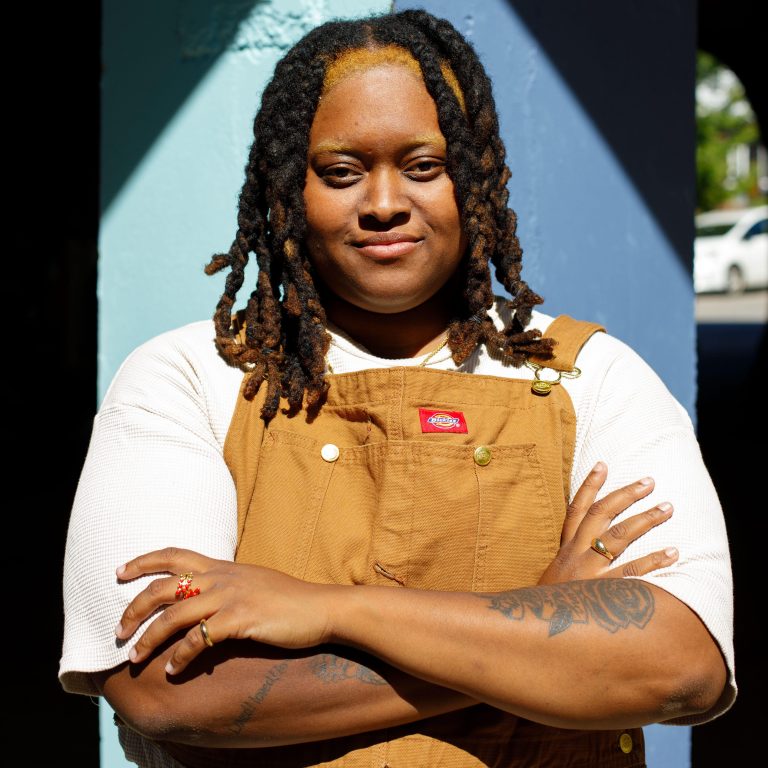
About the illustrator: Bri Robinson is a mixed media artist, analog collagist, sculpture artist, and historian who weaves intricate narratives of love, loss, and identity across the expansive Midwest. Raised in Ohio and now based in Chicago, Bri’s work reflects the rich cultural tapestry of the region, combining personal history with broader societal concepts. Brought up by a large, close-knit family, Bri draws inspiration from the everyday moments and memories that shape our lives, using images found in family photo albums, adult magazines, and personal portraits. Through their unique process of cutting, pasting, and layering, Bri deepens the meaning of these found objects, transforming them into evocative works of art. Bri’s practice is deeply rooted in the exploration of identity, relationships, and the constant evolution of self. By merging archival materials with elements of popular culture, they create thought-provoking narratives that invite viewers to engage with the complexities of the queer experience. Through their work, Bri honors the past while also pushing the boundaries of contemporary art history, crafting pieces that are as introspective as they are expansive. Check out their work on instagram @niq.uor.