Editor’s Note
This list was initially compiled during the ICE and CBP occupation of the Twin Cities metro area in Winter 2026, a time when many networks of care & solidarity were evolving to meet the needs of the community each day. Some of these resources have longstanding foundations in the Twin Cities, and others are nimble, responsive frameworks created in real time, both from deeply rooted relationships and new collaborations between neighbors. Some information on this list may change over time, but the resources shared here are ones shaped deeply by solidarity and resistance during events including the pandemic, the 2020 George Floyd Uprising, and Operation Metro Surge this past winter.
TABLE OF CONTENTS
Basic Needs 🏘️
Rent Support
Pillsbury United Communities: Rapid Response Fund: A fund providing rental and housing support, utilities assistance, emergency support, legal and medical expenses related to the ICE occupation in Minnesota.
Neighborhood Organizations in Minneapolis: A list of the many neighborhood organizations across Minneapolis that have been providing rent support and other resources, especially through the ICE occupation.
Neighborhood Organizations in Saint Paul: A list of the many neighborhood organizations across Saint Paul that have been providing rent support and other resources, especially through the ICE occupation.
Bring It Home Rental Assistance Program: A new program to create rental assistance for low-income families across Minnesota, funded by state appropriations and a new metro sales tax for housing.
Stable Homes Stable Schools: A Minneapolis-based program that provides rental assistance and housing stability support for elementary-age students & families.
Community Action Partnership of Hennepin County (CAP-HC): A Hennepin County-based program that can help pay your past-due rent or security deposit, assisting families with stable housing, even during a financial crisis.
VEAP: Volunteers Enlisted to Assist People: Among other services, VEAP provides rental assistance in Bloomington, Edina, Richfield & Minneapolis.
Sabathani Housing Services: Providing assistance for residents of Hennepin County who are unable to pay their rent, mortgage, or utilities, and those who are unhoused.
Align MPLS: Emergency Rental Assistance: An interfaith collaboration of 19 Minneapolis churches, synagogues, and mosques and people with lived experiences working together to address homelessness and poverty. This program supports individuals and families by providing rental assistance in a time of short-term financial crisis for applicants age 55+.
DHH Church: Emergency Rental Assistance: Food box delivery through DHH Church.
Family Housing Fund: Not everyone in our region has access to a safe, decent, affordable home. Many Black, Indigenous, and families of color have been intentionally excluded from the stability and opportunity that affordable housing can provide. The Family Housing Fund is focused on disrupting the harmful policies and practices that make affordable housing inaccessible, replacing them with those that shape a strong, equitable and resilient regional housing system.
Housing Resources
Housing Link: A source for affordable housing-related openings, data, information and resources for families participating in the Section 8 voucher and public housing programs.
Community Action Partnership of Ramsey & Washington Counties (CAPRW): An affordable housing program in Ramsey & Washington counties (Twin Cities Metro area).
Unhoused Neighbors & Encampment Support
Sanctuary Supply Depot: A mutual aid group in Minneapolis working to get basic necessities to our houseless neighbors.
Camp Nenookaasi: A community based healing camp rooted in native practices & inclusive of all unsheltered relatives.
Listening House: Dubbed the “living room of the homeless” by guests, Listening House is a daytime drop-in community and resource referral center providing hospitality, practical assistance, and guidance to men and women experiencing homelessness, loneliness, and deep poverty. Part of the ecosystem of care for adults experiencing homelessness and isolation in St. Paul. A safe, day space for people to take a break from the street, get food, sleep, showers, personal care items, clothing, and a listening ear. Listening House is a day drop-in center and has operated in St. Paul since 1983.
Minnesota Indian Women’s Resource Center: Shelter Resources: A list of shelter resources from the MIWRC.
Hennepin County: Warming Centers: A list of places to warm up in the cold, assembled by Hennepin County.
Ramsey County: Warming Centers: A list of places to warm up in the cold, assembled by Ramsey County.
Energy Assistance
Minnesota Energy Assistance Program: The Energy Assistance Program helps pay energy bills for eligible Minnesotans. The program is free and provides benefits of up to $1,400, plus additional support to respond to emergencies.
CARE: Customer Affordability of Residential Electricity Program: Offering income-qualified customers a discount on their electric bill with the CARE program. If you qualify for the Energy Assistance (EAP), you may be eligible for an electric bill discount! EAP qualified customers who are senior, or living with a disability, will be automatically enrolled.
Minnesota Energy Resources Gas Affordability Program: Qualified customers can receive assistance with their gas utility bills, through the Minnesota Energy Resources Gas Affordability Program. This state mandated program is designed to offer qualifying Minnesota Energy Resources customers assistance in paying their monthly natural gas utility bills. Assistance will be provided through two distinct components: affordability assistance based on a percent of household income and arrears forgiveness.
Salvation Army HeatShare Program: A heat assistance program that’s based almost exclusively on need. Though families must first prove they’ve been denied county or other assistance, their eligibility for HeatShare is then determined by only two factors — need and available HeatShare funding. Annually, the Heatshare program provides approximately 7,800 households with an average of $400 to keep their homes warm.
Xcel Energy Electric & Gas Affordability Programs: Xcel Energy offers several programs that offer help with past due energy bills and find programs to manage energy costs.
LIHEAP Clearinghouse: Minnesota: A consistently maintained resource from the Low Income Home Energy Assistance Program (LIHEAP), offering up-to-date information about energy assistance options in Minnesota.
Food Support
Hunger Solutions: Find Help (Interactive Map): An interactive map showing available food resources in the greater Twin Cities.
Community Action Network MN: A grassroots volunteer-led organization located in the Bancroft neighborhood of Minneapolis, MN working to build solidarity with their neighbors, organize volunteers and redistribute resources to ensure everyone has the means for dignified survival.
Casa Maria: A safe place for neighbors to gather, receive groceries and clothing, and network with others about health care options, employment, and housing. Everyone is welcome! Many of their visitors are Spanish-speaking immigrants from Richfield, Bloomington, Minneapolis, and the adjacent communities in the Twin Cities.
Hallie Q. Brown Center: Food Shelf: A Saint Paul-based nonprofit social service agency open to all, working to improve the quality of life in Saint Paul by providing access to critical human services and programs while honoring African American heritage and culture. HQB operates a food shelf, a clothing closet, senior programming, affordable childcare and youth education services to meet the diverse needs of Saint Paul’s multicultural community. The food shelf operates on a client-choice model to address basic needs, includes pet food, and has fresh produce, bread, and culturally specific foods.
Zion Community Commons: Food Justice: Provides vegan food distribution and community meals on Thursdays in Saint Paul.
Sabathani Community Center: Provides and distributes an average of 47,000 pounds of food each month to those in need, and has been providing emergency food resources for South Minneapolis residents since 1975.
Harvest from the Heart: Dedicated to meeting the every-changing needs of South Minneapolis, providing community members with an open invitation to see where they started, what they have become and how they plan to continue serving this community.
VEAP: Volunteers Enlisted to Assist People: Providing a variety of food distribution options, including a food pantry, mobile food pantry, and delivery.
Seward Cafe Free Store (Inst*gram): A collectively owned and cooperatively run cafe, offering free food, clothing, and other resources to the community since 1974.
Phillips Free Store (Inst*gram): A community group in the Phillips neighborhood of Minneapolis helping neighbors meet basic needs, including food support.
Joyce Uptown Food Shelf: Works to distribute food to those in need, with respect and dignity. Community members can stop by and pick up an emergency food bag with several days worth of food, no questions asked.
Community Emergency Service: Food Assistance: Offers a food shelf, food lockers, Meals on Wheels, and assistance with pet needs.
Aliveness Project: Offers HIV support services such as healthy meals, food shelf, nutrition therapy, case management and housing resources, HIV services, and peer led support groups.
Keystone Community Food Center: A food shelf in Ramsey County designed to support people who need food assistance and other help. Along with their Foodmobile, crisis support and additional food programs, they are working to strengthen our community by giving ample access to neighbors in need.
Friendship Community Services Food Hub: Established at Greater Friendship Missionary Baptist Church in response to the need for a food resource center serving residents in the metro area.
Pillsbury United Communities: Food Shelf: Free nutritious groceries for individuals and families.
Pillsbury United Communities: Produce Distribution: Free fruits and vegetables for individuals and families. Visitors must register in the morning and pick up their produce later in the day.
Pillsbury United Communities: Community Gardens: Providing space, resources, and support for community members to grow and harvest their own fresh and nutritious food. Youth education and internships are also available.
Culturally Specific Food Assistance
Isuroon Halal Food Assistance: Started in 2016 to support the East African community in Minneapolis. After COVID-19, their food shelf grew to serve many more families from diverse backgrounds. As Minnesota’s first ethnic and community-led food shelf, they provide essential Halal food to those in need, ensuring access to healthy, culturally appropriate food during difficult times.
ICNA Relief Food Pantry: A national Hunger Prevention program that provides individuals and families with the fuel to survive and thrive while developing key public food assistance services that raise awareness of the hunger epidemic facing the nation as a whole.
Communities Advancing Prosperity for Immigrants: A food shelf that serves all those in need by providing culturally specific foods and fresh fruits and vegetables. Participants shop for the groceries that best fit their dietary and family needs through a client choice shopping model.
DHH Church Food Box Delivery: Food box delivery through DHH Church.
La Guadalupana Supermercado (Inst*gram): Providing grocery deliveries for families in need with an online grocery request intake form in Spanish and English. Those able to support can find a GoFundMe donation link on Inst*gram.
Free Meals
Pillsbury United Communities: Community Meals: Free delicious and nutritious hot meals prepared fresh by experienced chefs and served in their family-friendly community cafes. Access to additional resources available to individuals and families if needed.
Food Not Bombs: A food recovery effort to collect food that would have been discarded and share it as a way of protesting war and poverty. They reduce food waste and meet the direct needs of our community by collecting discarded food, preparing vegan meals that are shared with the hungry and providing literature about the need to change our society. Also provides food to protesters and striking workers and organizes food relief after natural and political crisis.
Zion Community Commons: Food Justice: Vegan food distribution and community meals on Thursdays in Saint Paul.
Central Lutheran Church Minneapolis: Monday Community Meal: A weekly community meal program. To join the Community Meal, simply come to the Great Room on a Monday at 11:30 a.m. and take a seat. Someone will bring a meal to you at your table and even seconds of that meal (if available). Usually serve promptly at 11:30 a.m., so if you arrive after noon, there may not be food at that point. They will be sure to serve every meal on Mondays.
First Nations Kitchen: Serving healthy organic and Indigenous To Go meals and produce to the community on Sun. 4:00-5:00 pm. They welcome small numbers of volunteers. Join us for hospitality and beloved community!
Clothing Resources
Sabathani Community Center: Clothing Closet: Shelves stocked with a wide array of clothing options for individuals and families of all ages and sizes, ranging from everyday essentials to special occasion outfits.
The People’s Closet (Inst*gram): A community resource at George Floyd Square (38th & Chicago, Minneapolis) that provides a variety of clothing resources inside a repurposed bus stop.
Sanctuary Supply Depot: Mutual aid group in Minneapolis getting basic necessities to our houseless neighbors.
Seward Cafe Free Store (Inst*gram): This cafe, collectively owned and cooperatively run since 1974, offers free food, clothing, and other resources to the community.
The Free Store at Central Lutheran Minneapolis: A low-barrier ministry that provides clothing, household items, books, and toys to anyone who would like to shop for free. It is a place where people come together to get what they need and provide for each other out of the abundance that we experience as a community.
Rainbow Wardrobe: Gender-Affirming Care for All: A community service dedicated to providing free gender-affirming care in a welcoming, private, and supportive environment. They offer a space where LGBTQIA2S+ individuals can try on clothing that affirms their gender identity, without the discomfort or anxiety they might face in traditional retail settings. Their wardrobe includes clothing, chest binders, tucking underwear, and packers, available at no cost to clients. Their mission is to empower everyone to live their most authentic life by dressing in a way that truly reflects who they are.
Hallie Q. Brown Center: A Saint Paul-based nonprofit social service agency open to all, working to improve the quality of life in Saint Paul by providing access to critical human services and programs while honoring African American heritage and culture. HQB operates a food shelf, a clothing closet, senior programming, affordable childcare and youth education services to meet the diverse needs of Saint Paul’s multicultural community.
b. resale: Conveniently located on Nicollet Avenue, this resale clothing shop in the Whittier neighborhood of Minneapolis also provides free clothing resources on a rack outside the shop. Contact them to find out when this resource will be available, as weather & other factors can affect availability.
Twin Cities Really Really Free Market: A monthly event, running March through November, at Whittier Park in Minneapolis. This is a monthly event for offering and receiving resources openly in the community.
Laundry Support
The People’s Laundry: A mutual aid group working with our community doing laundry throughout the Twin Cities for anyone who needs it.
Other Resources
Neighbors Helping Neighbors: Connecting community members across Minneapolis, St. Paul, and the Twin Cities metro who need support with caring volunteers ready to help with rides, groceries, and more.
Communities Advancing Prosperity for Immigrants: Benefits Enrollment Center: Part of a national network of Benefit Enrollment Centers (BECs) funded through the National Council on Aging, providing coordinated people-centered services to enroll low-income seniors and younger adults with disabilities in programs connected to health care, prescriptions, food, utilities, transportation assistance, and more.
Department of Indian Work: Addresses needs and issues in the American Indian community, respecting the cultural and spiritual diversity of the people it serves. DIW develops and coordinates programs that empower American Indian people toward self-determination. They also provide emergency services, including shelter, clothing, funeral assistance, a food shelf, and prescription assistance.
Minnesota Indian Women’s Resource Center: The Minnesota Indian Women’s Resource Center (MIWRC) is a non-profit social and mental health services organization committed to traditional ways of being and support of Native women and their families. Founded in 1984, MIWRC provides a broad range of programs designed to educate and empower Native women and their families, and to inform and assist those who work providing services to the community.
Resource Portals
United Way: Works to connect you to the community resources you need through their programs or partner organizations.
Help Me Connect: A resource portal for expecting and parenting families with young children, and those working with them from the State of Minnesota government.
Pillsbury United Communities: All Programs: A list of all the programs offered by Pillsbury United Communities.
Minnesota Aging & Disability Resources: A resource portal from the State of Minnesota.
Volunteers Enlisted to Assist People (VEAP): Community Resources: A resource portal aggregating information about many community resources in the Twin Cities and beyond.
Minneapolis Autonomous Index: A loose collection of events for building revolutionary autonomy in the Twin Cities.
Health, Wellness, & Harm Reduction 🩺
Supplies & Training
Augsburg Central Health Commons: This nurse-led drop-in center is focused on meeting people where they are, responding to any expressed felt need of those who visit, especially as it pertains to health. Anyone looking for diapers, hygiene supplies, one-on-one nurse consultations, or just to have a place to sit and rest are welcome. Volunteers often spend time visiting with members of the community, distributing donations, and setting up the space.
Freedom Street Health (Inst*gram): Anti-fascist medic collective based in MN. Committed to democratizing health education and resources, making care accessible and available to all.
Period Kits MN: At Period Kits MN, we believe no one should have to choose between food and tampons. We provide kits that have at least a 30 day supply of period products to those experiencing homelessness, unstable housing and poverty.
Helping Hands Foundation (Inst*gram): Delivering essential hygiene kits with dignity, supporting families affected by ICE.
The Kwek Society: Provide period supplies to students living in cities and suburbs and, as resources permit, to get supplies to other Indigenous community members who can’t afford these expensive necessities. They believe that every person deserves sufficient supplies to maintain dignity and celebrate their strength during their moon time. No one should have to miss school, work, or activities of daily life when they are on their periods. No one should suffer the indignity of stained clothing or use period supplies for longer than intended, risking their health due to insufficient supplies.
Health Resources
Family Tree Clinic: Cultivates a healthy community through comprehensive sexual health care and education.
Freedom Street Health: A community medic organization in Minneapolis committed to mutual aid and public education, including wound care kits, to pop-up clinics, classes, and emergency mutual aid.
Communities Advancing Prosperity for Immigrants: Health Services: Dedicated to improving community health through a variety of services, including vaccine clinics, health screenings, and personalized support from their community health navigators. Their outreach programs help connect individuals with essential healthcare resources, and their food and nutrition services promote healthy living.
Augsburg Central Health Commons: The first health commons location started by Augsburg University’s Department of Nursing, made possible due to an ongoing partnership with Central Lutheran Church in downtown Minneapolis. This nurse-led drop-in center is focused on meeting people where they are, responding to any expressed felt need of those who visit, especially as it pertains to health.
Aliveness Project: Offers HIV support services such as, healthy meals, food shelf, nutrition therapy, case management and housing resources, HIV services, and peer led support groups.
Red Door Clinic: Provides STD & HIV testing, support groups, and sexual health services in Twin Cities.
Save the Bottoms: Aims to educate and inform people at higher risk of anal cancer and provide screening and treatment options.
Pillsbury United Communities: Chronic Diseases Management Workshops: Series of educational workshops designed for seniors to help manage chronic conditions and improve overall health. Topics include the prevention and/or management of diabetes, heart disease, stroke, cancer, dementia, and depression.
Dream of Wild Health: An intertribal, independent nonprofit that serves the Minneapolis-Saint Paul Native American community as one of the longest continually operating Native American organizations in the Twin Cities. They have a 30-acre farm in Hugo, MN, providing educational programs that reconnect the urban Native American community with traditional Native plants and their culinary, medicinal and spiritual use. DWH maintains an urban presence in Minneapolis with offices in the heart of the Phillips neighborhood in the Native American Cultural Corridor on Franklin Avenue.
Mental Health Resources
Minnesota Mental Health Access: A website that assists health care personnel in locating potential openings for inpatient mental health services for the purpose of referring patients for care, operated by the Minnesota Department of Human Services (DHS).
Mental Health Connect: A collaborative of faith communities, working together to help destigmatize mental illness to make sure all people can find the free, customized, and confidential help they need.
CUAPB: Mental Health Crisis Response Work Group: The volunteer-led Communities United Against Police Brutality Mental Health Work Group meets every Sunday at 5 pm, seeking to ensure that people experiencing mental health crises get care, not criminalization.
National Alliance on Mental Health (NAMI) Minnesota: Through education, support, and advocacy, NAMI Minnesota champions justice, dignity, and respect for all individuals and families affected by mental illnesses.
Crisis & Survivor Resources
OutFront Minnesota: Anti-Violence Program: Provides crisis intervention services, confidential crisis counseling, and other advocacy services for LGBTQ+ victims/survivors of violence and harassment.
Sexual Violence Center: Working to ensure that no one impacted by sexual violence will navigate alone by supporting people impacted by sexual violence through crisis intervention, case management, outreach, education, and systems change. They provide inclusive services and serve individuals and their support systems, ages 12+.
Warmlines
Minnesota Warmline: If you’re struggling with your mental health but aren’t experiencing a mental health crisis or emergency, reach out to the Minnesota Warmline.
Wellness in the Woods Minnesota Warmline: A safe and free way for individuals to receive confidential and anonymous one on one peer support from trained Peers, Certified Peer Support Specialists, and Recovery Coaches. There are also African-American peers available.
Harm Reduction & Recovery
Out & Sober Minnesota: A nonprofit dedicated to connecting LGBTQ+ people in recovery with other sober folks in the community.
Minnesota Naloxone Finder: Across Minnesota, more than 100 boxes with free naloxone and overdose prevention information have been placed through the Community Naloxone Storage Project, funded by the Minnesota Department of Human Services.
Southside Harm Reduction Services: Works within a harm reduction framework to promote the human rights to health, safety, autonomy, and agency among people who use substances. Drop-in, delivery, and street outreach are available. Based in South Minneapolis.
Steve Rummler HOPE Network: Providing resources and education addressing the opioid crisis, including Naloxone materials translated into a variety of languages and a program providing support for Black community members navigating substance use. Based in Minnesota.
Pillsbury United Communities: Substance Use Disorder Awareness: Works to reduce the impacts of Opioid Overdose among its targeted community groups such as East Africans, African American, Latinos, and other underserved populations in Minneapolis, Minnesota areas. We do this by providing community outreaching, awareness creation & education, culturally appropriate & linguistic relevant prevention, responsive recovery, and referral services.
Naloxone Access Point at the Sexual Violence Center: Community members can pick up free overdose response kits, including Naloxone, as well as fentanyl test strip kits at SVC’s Minneapolis office during open business hours.
National Harm Reduction Coalition: Naloxone Finder: Intended for people who use drugs to access naloxone in their community across the United States. While many of the programs listed offer additional harm reduction supplies (e.g. syringes, safer smoking kits, drop-in centers), NHRC’s team has vetted the programs for community-based naloxone that is free and intended for people who use drugs.
COVID-19 Resources
Share Clean Air MSP: Promoting access to expensive clean air gear like to folks in the MSP area.
Mask Bloc MSP: Providing free masks and other resources as mutual aid in the Twin Cities.
Minnesota Tool Library: Air Purifiers: Air purifiers and other tools & equipment available to borrow in Minnesota.
MN Department of Health COVID Dashboard: Resources and data related to COVID-19, provided by the State of Minnesota.
Clean Air Club: My Covid+ Plan: An outline to create a plan to help navigate an active COVID infection from Chicago’s Clean Air Club.
Zine: Pandemic Planning with Gemini House: Minnesota-specific information and resources, including information on masking and mitigation.
Zine: Hazel Newlevant’s COVID Zine: Regularly updated zine from Hazel Newlevant with some great advice for navigating and mitigating COVID.
The People’s CDC: Understanding Wastewater Data: Helpful information to assist in understanding COVID wastewater data.
Sexual Health Resources
MN Sexual Health Hotline: Serves the entire state of Minnesota by providing reliable, medically accurate, and confidential information for free via phone, text, and webchat. All calls are patient positive, LGBTQ+ competent, and with a trained health educator. The hotline services are sponsored by the Minnesota Department of Health, and operated by Family Tree Clinic in Minneapolis.
Family Tree Clinic: Works to cultivate a healthy community through comprehensive sexual health care and education.
NorthPoint Health: Access to providers who can help with issues related to sex, relationships, birth control, pregnancy, family planning, STDs, and more. Teens, couples, parents, and families receive confidential care for all family planning and sexual health issues, totally free of judgment.
LGBTQIA2S+ Resources 🌈
Health & Wellness
Family Tree Clinic: Cultivates a healthy community through comprehensive sexual health care and education.
Out & Sober Minnesota: A nonprofit dedicated to connecting LGBTQ+ people in recovery with other sober folks in the community.
Trans Lifeline: Connects trans people to community, resources, and support.
Aliveness Project: Offers HIV support services such as, healthy meals, food shelf, nutrition therapy, case management and housing resources, HIV services, and peer led support groups.
Save the Bottoms: Aims to educate and inform people at higher risk of anal cancer and provide screening and treatment options.
Minnesota Transgender Health Coalition: Committed to improving health care access and the quality of health care received by trans and gender non-conforming people through education, resources, and advocacy.
Rainbow Health: Violet Directory: Empowering LGBTQ+ seniors and people living with HIV through an online directory of providers, services, and health education.
Sexual Health Resources
UMN Center for Sexual Health: Counseling services on sexuality and gender identity, including gender confirmation surgery.
Red Door Clinic: STD & HIV testing, support groups, and sexual health services in Twin Cities.
Mental Health Resources
RECLAIM!: Works to increase access to mental health care for queer and trans youth so they may reclaim their lives from oppression in all its forms. They serve youth ages 12-25 and their families by providing individual, relationship, and family therapy. They specialize in assisting youth with gender identity and sexual orientation exploration, in addition to treating other mental health concerns such as anxiety, depression, and pervasive trauma. They are the only non-profit organization in Minnesota that offers financially accessible, specialized mental health care to this population.
MN LGBTQ+ Therapists Network: A network of lesbian, gay, bisexual, transgender, queer, questioning, intersex, pansexual, two-spirit, and asexual affirming mental health and social service workers and their allies in Minnesota.
Community
Minneapolis People’s Pride (Inst*gram): Divesting from corporations and cops and committing to the safety and joy of queer people in Minneapolis
The Pride Cultural Arts Center: Serves as a dynamic platform for expression, education, and support. With programs like Rainbow Wardrobe, art classes, gallery space, cultural education, and support groups, it provides a welcoming and vibrant environment where individuals and families can feel celebrated and embraced. By highlighting the rich culture of the LGBTQ+ community, the PCAC aims to foster a deep sense of belonging and pride.
Queermunity: A vibrant event venue, gathering space, and café in Minneapolis, dedicated to offering high-quality experiences for LGBTQ+ and BIPOC communities and their allies. We work with and for the people we serve to build a regenerative economy—maintaining a truly affordable space to gather, celebrate, work, and create, while supporting local farmers, artists, makers, and small businesses.
Quatrefoil Library: Q Library is not just a library, but a community space! The Library’s diverse and ever-developing collection of books, DVDs, zines, and periodicals, along with its curated programming—such as author readings, group meetings, and special events—provides community members with a multitude of options for connecting with their identities, histories, and each other within the broader queer ecosystem.
TIGERRS: A nonhierarchical collective dedicated to delivering programs and resources that build solidarity and safety among transgender, intersex and gender-expansive Minnesotans, offering intergenerational events, intersex services, and youth events and services.
QUEERSPACE Collective: A mentorship program created specifically for LGBTQ+ youth in Minnesota, offering youth trainings, support groups, social events, workshops.
Mutual Aid
TC Trans Mutual Aid (Inst*gram): Supporting and amplifying the material needs of trans folks in the Twin Cities, Minnesota.
Advocacy & Support
PFund Foundation: Working towards a collective will to overcome barriers for the LGBTQ+ community with a long-term focus on scholarship awards to young queer adults and grantmaking to queer organizations.
Resource Portals
Twin Cities Pride Community Resource List: Navigating questions about your sexual orientation or gender identity can be complex. Having a supportive community is key. For more information on therapy, medical care, and other LGBTQ+ services, explore the resources below. Knowledge is power when it comes to making informed decisions about your life.
Civil Rights, Advocacy, & Coalition-Building 🌍
Advocacy
Communities Combating Hate: Communities Combating Hate is a coalition advocating for policy change to make Minnesota safe for all Minnesotans, no exceptions. Every Minnesotan must be protected from hate, regardless of race, color, religion, sex, gender, sexual orientation, gender identity, gender expression, age, national origin, immigration status, ethnicity, or disability.
Minnesota Education Equity Partnership (MnEEP): MnEEP transforms systems, structures, and public narratives to advance race equity and excellence in education. We envision a racially just society in which each student achieves their full potential. Led by People of Color and Indigenous (POCI) thought leaders and experts, MnEEP uses a race equity lens to develop and advance networks, practices, research, and policies to dismantle racism in education and build a more just, equitable Minnesota.
Comunidades Organizando el Poder y la Acción Latina (COPAL): COPAL, Comunidades Organizando el Poder y la Acción Latina, is a member-based organization established in 2018 to improve the quality of life of Latine families. Over the past eight years, COPAL has evolved to become a well-known, grassroots power-building, and visionary transnational organization.
The Alliance: The Alliance produces and shares resources to help organizers for racial, economic, and environmental justice build their skills, learn from others in the field, and make connections with other organizations doing similar work.
Coalition of Asian American Leaders (CAAL): The Coalition of Asian American Leaders (CAAL) emerged out of the will of Minnesota’s Asian American community in 2013 when a small group of leaders came together to share their aspirations for creating an organization that would bring leaders from across sectors, generations, and ethnicities together. Throughout 2014, over 300 Asian Minnesotan leaders would come together, hosting multiple conversations using an asset-based approach and human-centered design processes to determine a course of action.
Reviving Sisterhood: Reviving Sisterhood bridges the gap between faith and storytelling, leadership development, and advocacy. They have created a space—for Muslim women, by Muslim women—centering their voices and their lived experiences in order to impact change in their communities.
Isuroon: A women-led organization empowering Somali women in Minnesota. They provide access to health, financial literacy, civic engagement, and leadership programs. Through partnerships, they offer culturally competent training and research to improve outcomes and reduce disparities. Their mission is to support Somali women in overcoming barriers, navigating healthcare systems, and advocating for their well-being.
Council on American-Islamic Relations Minnesota (CAIR-MN): Actively engages with the media to ensure that a fair and accurate portrayal of Islam and Muslims is presented to the American public. This is accomplished through media appearances, press conferences, opinion editorials and letters to the editor. Also provides training to community members, media professionals, and employers. Media professionals are engaged In discussions about working with the Muslim community, with the purpose of helping to create an environment where fair and balanced journalism can thrive.
Jewish Community Action: Organizes Minnesotan Jews for racial and economic justice. They work in solidarity with other marginalized communities throughout our state in coalition spaces, interfaith initiatives, and local neighborhood groups. These relationships drive their investment in and accountability to one other. They honor their history and ancestors, commit to a shared future, and activate their community to make real social change.
Jewish Voice for Peace: A national, grassroots organization working towards Palestinian freedom and Judaism beyond Zionism. It’s the largest such organization in the world.
Research in Action: A Black queer female-led organization that leads projects that center community expertise to create stronger organizations and actionable solutions for racial justice.
Sex Workers Organizing Project: A grassroots nonprofit dedicated to advocating for the rights, safety, and dignity of sex workers across Minnesota. Their work is deeply rooted in the community and guided by the lived experiences and voices of sex workers themselves, ensuring their efforts are both impactful and authentic.
Immigrant & Refugee Support 💞
Resources
MN DHS Resettlement Network Services Provider List: Provides federally funded services through a statewide group called Minnesota Resettlement Network Services (RNS), services are for people under humanitarian protection during their first five years in the U.S. Over 40 RNS partner organizations provide services in six different regions of the state. They help new Minnesotans adjust to life in a new country, find jobs, do well in school and more.
Refugee and Immigrant Helpline: 1-800-814-4806: A connection to helpful information, resources and services in your community. Their navigators are here to provide support and guidance you can trust.
Immigrant Legal Resource Center (ILRC): Trains attorneys, paralegals, and community-based advocates who work with immigrants around the country. They inform the media, elected officials, and public to shape effective and just immigration policy and law. Their staff works with grassroots immigrant organizations to promote civic engagement and social change.
Immigrant Law Center of Minnesota (ILCM): Enhances opportunities for immigrants and refugees through free immigration legal representation for low-income individuals, and through education and advocacy with diverse communities.
Neighborhood House: A multicultural, multilingual community center with programming for all ages and open doors for all people and is often a first stop for new immigrants and refugees. Neighborhood House has been around since 1897 and fulfills its mission by providing programs and services to individuals and families through emergency assistance, long-term social assistance, youth activities and seniors programming, including home-delivered meals and Home Share.
Communities Advancing Prosperity for Immigrants: Benefits Enrollment Center: Part of a national network of BECs funded through the National Council on Aging. The BEC provides coordinated people-centered services to enroll low-income seniors and younger adults with disabilities in programs connected to health care, prescriptions, food, utilities, transportation assistance, and more.
International Institute of Minnesota: They empower New Americans as they begin new lives and achieve their full potential through comprehensive services that range from refugee resettlement and citizenship and immigration support to English education, college preparation, and workforce and leadership development.
Refugee Welcome Collective: Minnesota: A community sponsorship technical assistance and training provider funded by the Bureau of Population, Refugees, and Migration (PRM) and other. They aim to improve outcomes for refugees resettled through the U.S. Refugee Admissions program by building capacity and expanding community sponsorship.
Karen Organization of Minnesota: Works to build on the strengths of refugee and immigrant communities and remove barriers to achieving economic, social, and cultural wellbeing.
Comunidades Organizando el Poder y la Acción Latina (COPAL): A member-based organization established in 2018 to improve the quality of life of Latine families. Over the past eight years, COPAL has evolved to become a well-known, grassroots power-building, and visionary transnational organization.
Minnesota Council of Churches: Refugee Services: An ecumenical ministry welcoming persecuted people from around the world into new lives of freedom, hope, and opportunity in Minnesota. Refugees are abundantly supported as they move from addressing basic needs to achieving their dreams, and faith communities are transformed by partnering in this ministry of hospitality.
Arrive Ministries: A refugee resettlement agency providing essential services and practical assistance to refugees and immigrants to advance self-sufficiency. They mobilize volunteers, in partnership with local churches, to extend love and friendship to new neighbors to promote thriving in a new homeland.
Lutheran Social Service of Minnesota: Refugee Services: Neighbors helping neighbors to ensure children and families will have safe, stable homes and the opportunity to thrive in community; people with identified needs will have access to social services and the opportunity to contribute to community life; and older adults will have choice in the services they need and opportunities to participate in community life.
Community Response to ICE & CBP 🧊
Know Your Rights
MN Women’s Press & Monarca: Know Your Rights Special Issue: PDF of a collaborative special issue from MN Women’s Press and Monarca that provides important resources in English and Spanish about navigating interactions with ICE.
COPAL & Immigrant Defense Network: The Handbook for Constitutional Observers: Developed by COPAL and the Immigrant Defense Network, this handbook is a resource for individuals and organizations committed to advancing justice and building resilient communities. It reflects a shared commitment to dignity, equity, and collective action in times of change.
Whistles
MSP Whistles: Neighbors distributing whistles to keep our neighbors safe.
Resources
Monarca: Rapid response information, community training, Know Your Rights materials, artwork and other resources from a trusted community group.
Haven Watch: Formed after witnessing firsthand what happens when people are released from ICE detention centers in Minnesota, often traumatized, without phones, IDs, transportation, or even proper clothing in extreme cold. What began as providing emergency support like phones, coats, and rides has quickly grown into something much larger.
ICE OUT MN: Information about economic activities related to ICE protest, including strikes.
Defend the 612: A grassroots volunteer attempt to help community members and neighbors get connected to one another.
Legal Support ⚖️
Resources
Volunteer Lawyers Network: A nonprofit that provides civil legal services to low-income Minnesotans through volunteer attorneys. VLN’s mission is to protect and promote the basic human needs of people in poverty through the power of legal volunteers.
LawHelpMN: State Support’s mission is to improve access to justice for all Minnesotans. In working towards that mission, State Support collaborates widely, including with legal services programs, the Minnesota State Law Library, the Minnesota State Bar Association, the Minnesota Judicial Branch, and other partners in the justice community.
Immigrant Legal Resource Center (ILRC): The ILRC trains attorneys, paralegals, and community-based advocates who work with immigrants around the country. We inform the media, elected officials, and public to shape effective and just immigration policy and law. Their staff works with grassroots immigrant organizations to promote civic engagement and social change.
Immigrant Law Center of Minnesota (ILCM): The Immigrant Law Center of Minnesota enhances opportunities for immigrants and refugees through free immigration legal representation for low-income individuals, and through education and advocacy with diverse communities.
Minnesota Unbundled Law Project: Unbundled legal services (also known as limited scope legal services) are made to fit your needs and budget. Lawyers in this program will review your legal issue and work with you to design a plan that works for you. They can give you advice, help you write court papers, or go to court with you, each with its own upfront cost. Because you decide what you will do and what the lawyer will do, you can work with your lawyer for as much or as little time as needed. This saves you money and makes it possible for you to get only the legal assistance you need.
Minnesota Judicial Branch: Self-Help Centers: Self-Help Centers can help you find helpful information, services, and resources about your legal problem if you are not represented by a lawyer. The Self-Help Centers assist people who represent themselves in the Minnesota District Courts.
Minnesota State Law Library: Referrals by County: Mid-Minnesota Legal Aid advocates for the legal rights of disadvantaged people to have safe, healthy, and independent lives in strong communities.
Mid-Minnesota Legal Aid: Mid-Minnesota Legal Aid advocates for the legal rights of disadvantaged people to have safe, healthy, and independent lives in strong communities.
Community Safety 🛟
Resources
Communities United Against Police Brutality: A Twin-Cities based organization that was created to deal with police brutality on an ongoing basis, working on the day-to-day abuses as well as taking on the more extreme cases. Their overriding goal is to create a climate of resistance to abuse of authority by police organizations and to empower local people with a structure that can take on police brutality and actually bring it to an end. They provide support for survivors of police brutality and families of victims so they can reclaim their dignity and join the struggle to end police brutality.
Whittier Cop Watch: Abolitionist and anti-racist, Whittier Cop Watch practices copwatch as a form of harm reduction and to build community defense.
MPD150: A participatory, horizontally-organized effort by local organizers, researchers, artists, and activists to shift the discussion around police and policing in Minneapolis from one of procedural reforms to one of meaningful structural change. While the effort has sunset, their vital MPD150 report is still available, and they hope that the process they developed will help organizers in other cities establish practical abolitionist strategies.
OutFront Minnesota: Anti-Violence Program: Each year, OutFront Minnesota’s Anti-Violence Program assists with more than 1,000 incidents of anti-LGBTQ+ bias/hate violence, relationship abuse, and sexual assault. They provide crisis intervention services, confidential crisis counseling, and other advocacy services for LGBTQ+ victims/survivors of violence and harassment.
INDIGENOUS PROTECTOR MOVEMENT: Dedicated to protecting Indigenous land and communities through direct action, advocacy, and community building.
Missing and Murdered Black Women and Girls Initiative: Thanks to the leadership of directly impacted community members and collaboration of cross-sector institutional stakeholders, Research in Action (RIA) published the nation’s first comprehensive state-level report on the epidemic of missing and murdered Black women and girls in 2022. This led to the creation of the nation’s first Office of Missing and Murdered Black Women and Girls (MMBWG) and the introduction of federal legislation in 2023. Beginning in 2025, RIA will lead a five-year project to create an index to more accurately assess the impact of structural and systemic violence on Black Women and Girls.
CAIR-MN: Muslim Community Safety Kit: This kit was developed to better equip community with the knowledge necessary to protect against anti-Muslim bigotry or attacks, and to secure your basic legal rights.
Jewish Community Action: Combating Hate: Resources to help address issues of anti-semitism in the community, with Minneapolis-specific tools available.
City of Minneapolis + Ramsey County: Behavioral crisis response: Behavioral crisis response (BCR) can help if you or someone you know is having a behavioral or mental health crisis.
Employment Resources 🏢
Job Boards
MN Council of Nonprofits: Nonprofit Job Board: Connects nonprofits across interest areas to advance issues of common concern. Employment opportunities are regularly added to the job board.
Mn Artists: Opportunities: Jobs, calls for work, internships and other opportunities posted through the Walker Art Center’s Mn Artists platform.
MinnesotaWorks: An internet-based self-service system where employers and job seekers can find each other. This site is supported by Employer tax dollars and there is no additional fee to use this service.
State of Minnesota: Jobs: Offers a wide-range of job opportunities and potential for career advancement via the State of Minnesota, with opportunities across the state and within over 100 agencies, boards, and commissions.
MnTech Job Board: Committed to helping Minnesota’s technology-driven companies inspire, hire, develop, and retain exceptional talent. With the state’s evolving tech workforce challenges and growing numbers of historically overlooked and untapped sources of talent, MnTech’s hope is that the job board will serve as a highly beneficial platform for connecting companies and their leaders with emerging talent and newcomers to the tech ecosystem.
Ramsey County Job Connect: A free job board for employers to connect with job seekers to find their match. This job board provides a place for employers representing all industry sectors to post job openings while allowing job seekers to search for opportunities in a dynamic way. Committed to building an economy that provides opportunity and prosperity for all to thrive!
Career Resources
CareerForce Training Program Finder: Programs listed are free for eligible job seekers. Browse all the training opportunities below. Select a link to get a filtered list of the training programs in in-demand sectors.
City of Minneapolis: Workforce development: A City division that helps youth and adults find stable employment.
City of Minneapolis: CareerWorks: Resources and programs for adults through the City. Find career coaching and earn an industry-recognized credential or certificate.
Ramsey Country Workforce Training Dashboard: Showcases community-based training programs in and near Ramsey County. Please connect with these providers for more information.
Avivo Institute of Career & Technical Education: Offers industry-specific career education and technical training programs where graduates will earn industry credentials in new trades/careers, with course lengths ranging from three weeks to three or more months, depending on the program. Career training programs/trade school programs are available for free/no cost for individuals who meet eligibility requirements. All participants are assisted by Avivo’s career counselors for job placement.
Sabathani Community Center: Workforce Strategies: Supports the path to a livable-wage job. They offer personalized services including career counseling, goal setting, resume development, skill-building workshops, interview practice, and lifestyle and readiness assessment.
Twin Cities R!SE: Has provided comprehensive workforce development to under and unemployed individuals since 1993. Seek to transform the lives of those impacted by racial or socio-economic barriers through personal empowerment, career training, and meaningful employment. They envision a community where all individuals, especially people of color, have attained financial independence through employment success.
Urban League Twin Cities: Workforce Solutions: Programs that offer job training, placement and advanced opportunities to pursue careers that provide livable wages.
Creative Community Resources 🎨
Printing, Copying, Faxing, & Scanning
The Workshop for Independent Publishing: An artist-run print shop with photocopiers and risographs. They are open to the public once a week and provide additional shop hours to WIP members. Their facilities enable an entire publication to be produced in-house, from concept to print production and binding. Cost varies depending on paper type, project, size, etc.
Boneshaker Books: Home to a risograph duplicator as well as cutting and binding equipment for making prints and zines. As a print collective, they aim to apply Boneshaker’s radical principles to create a space that can provide low-barrier riso printmaking supplies, access, and education for community members, artists, activists, zinesters, and more. The Boneshaker Print Collective also offers low-cost printing for community events, activism, and more in addition to Riso 101 workshops.
Saint Paul Public Libraries Print, Fax, and Scan Services: Printers, fax, and scan services are available at all public library locations.
Ramsey County Libraries: Offers access to a variety of technology and print services, including faxing, photocopying, scanning, and more. Generally, you must be a cardholder to access these resources.
Hennepin County Libraries: In addition to free use of computers and wifi, the library offers access to a variety of technology and print services, including faxing, photocopying, scanning, and more. Generally, you must be a cardholder to access these resources.
Artist Opportunities & Professional Development
Mn Artists: Opportunities: Jobs, calls for work, internships and other opportunities posted through the Walker Art Center’s Mn Artists platform.
Springboard for the Arts: Artists are the heartbeat of our communities—innovators, connectors, meaning makers, and community caregivers. Springboard is here to equip artists with the tools to make a living and a life, and to build just and equitable communities full of meaning, joy, and connection. They advocate for policy and system changes that foster vibrant local economies and creative communities.
Minnesota Artists Guild: An all-in-one resource for artists throughout the state. They facilitate goal and career development by aiding in the formation of peer and mentor connections, promoting collaborations, uncovering opportunities, and inspiring creativity. They emphasize the importance of in-person relationships among mentors and peers through local monthly programming and offer resources to promote artists’ growth.
Classes & Workshops
Chicago Avenue Fire Arts Center (CAFAC): A nonprofit arts organization that focuses on art forms produced using heat, spark, or flame: blacksmithing, enameling, glass, jewelry making, metal casting, neon, sculptural welding, and more. The pillars of their programming are arts education, artist support, and public art, which together provide a platform for social impact and community-driven resources.
Minnesota Center for Book Arts (MCBA): A respected & dedicated champion of the field, Minnesota Center for Book Arts (MCBA) is the largest, most comprehensive center of its kind in the world. Every year they hold 200+ workshops, present 10 gallery exhibitions, and host artist fellowships, residencies, and mentorships in our 12,000+ square foot space. They’re also the first (and only) center in North America with public access to foreign language type.
Foci Minnesota Center for Glass Arts: A nonprofit public access glass studio and education center located in Minneapolis and offering a full glass studio curriculum taught by artists locally and nationally recognized, as well as programming for youth, corporate group experiences, events, and exhibitions. Their goal is to be a safe space for all to feel welcome and engaged, creating experiences that motivate curiosity, build excitement, and advance mastery.
Northern Clay Center: Seeks to advance the ceramic arts for artists, learners, and the community, through education, exhibitions, and artist services. Its goals are to create and promote high-quality, relevant, and participatory ceramic arts educational experiences; cultivate and challenge ceramic arts audiences through extraordinary exhibitions and programming; support ceramic artists in the expansion of their artistic and professional skills; embrace makers from diverse cultures, experiences, and traditions in order to create a more inclusive clay community; and excel as a nonprofit arts organization.
Wet Paint: A neighborhood independent art supply store, frame shop, and classroom on Grand Avenue in St. Paul.
In the Heart of the Beast Puppet Theatre: A community of artists working within our larger community to create magic together. Everything that they do, from youth arts programming to performances and workshops for adults is carefully grounded in their mission, vision, and values.
BareBones Outdoor Puppetry & Performance Art Spectacles: Works to bring art into community and community into art by working with hundreds of folks to imagine, create, and perform the BareBones Annual Extravaganza. Starting in September, there are many opportunities to volunteer.
Simply Jane & ArtAble: A nonprofit arts education center with a mission to provide rewarding arts programming for people of all ages and abilities.
ArtStarts Community Workshops: B fabulous, funky materials from ArtStart’s ArtScraps Materials Reuse Center to your site with art projects and activities designed to spark the imagination! Workshops can be customized for all ages and for youth with different learning styles. All workshops are taught by professional artists.
Spaces & Resources:
RESOURCE: A supply of space that a person can draw upon. Provides space to rehearse, host an event, plan a performance, dream. Workshop or classroom space, installation, pop up market, gallery show, and more.
The Landing Strip: Community garden & gathering space in the Seward neighborhood of Minneapolis.
PILLLAR FORUM: A coffee shop, bar, and all-ages venue in Northeast Minneapolis. It’s more than a place to grab a drink or catch a show — it’s a space where people gather, connect, and build something bigger than themselves.
Seward Cafe: A volunteer run community venue, servicing events anywhere from music shows to weddings to birthdays. To book an event, locate the link to our events booking form on their website, which includes details on event requirements, preferences, and any specific needs you may have.
Queermunity: The Gallery & Makers Market: This LGBTQIA2S+ cafe & event space in Uptown Minneapolis offers a variety of gallery and market opportunities for artists in the community.
Umbra Arts: An LGBTQ+ fine art collective that celebrates diverse voices in the art world, creating a space where you can grow, thrive, and connect with an audience that truly appreciates your work.
Arts Journalism
MPLSART: Hosts an exhaustive exhibition calendar, gallery guide, and high-quality editorial coverage of the best local exhibitions, artists, and galleries, working tirelessly to elevate the Twin Cities’ world class visual arts community both locally and nationally. Strives to create a more sustainable arts scene for all. MPLSART.COM is a collaborative effort fronted by Blaine Garrett and employs an amazing staff of artists.
Twin Cities Arts Reader: The Twin Cities Arts Reader is an online arts and lifestyle magazine serving the greater Twin Cities metro region–a premiere destination for performing arts coverage in the Twin Cities. Their extensive theatre coverage is a particular strength, and is greater than the combined coverage of the Star Tribune and Pioneer Press.
Mn Artists: Mn Artists is a critical arts writing platform of the Walker Art Center about, by, and for Minnesota’s local artist community. Through publishing and relationship building, the program forges connections between locally-rooted artistic practices and national and international conversations in contemporary art.
Local Media & Publishing 📻
Radio
KFAI 90.3 FM: A volunteer-based community radio station that exists to broadcast information, arts, and entertainment programming for an audience of diverse racial, social, and economic backgrounds. By providing a voice for people ignored or misrepresented by mainstream media, KFAI increases understanding between peoples and communities while fostering the values of democracy and social justice.
WFNU Frogtown Radio 94.1 FM St. Paul: Working to amplify the diverse voices of Frogtown in connection with surrounding communities. Their commitment is to provide a positive, healing, safe and empowering platform to allow all community voices to be heard. Their mission is to encourage, educate, provide arts access, train community members in broadcast skills, and encourage citizen journalism that shines a true, holistic and realistic sense of community.
KRSM 98.9 FM: A low-power FM radio station based out of the Powderhorn neighborhood in South Minneapolis. This is a hyper-local platform for amplifying the voices, stories, cultures, and conversations happening in their neighborhoods. Their focus is on communities that are marginalized, misrepresented, and erased by traditional media. Their schedule features shows in 6 different languages (English, Spanish, Somali, Ojibwe, Hmong, and Haitian Creole), and they air 10 hours of programming each week by Indigenous hosts.
Minnesota Native News: A weekly radio segment covering ideas and events relevant to Minnesota’s Native American communities since 2014. MNN is produced and distributed by AMPERS and airs on tribal and community stations across Minnesota, reaching more than 124,000 listeners each week. The team includes a majority of Native reporters/producers all sharing in the editorial and story-telling duties.
AMPERS: An association of 17 independent community radio stations in Minnesota with more than 300,000 devoted listeners. They also produce original arts, culture, and news content for and by community members.
News
Racket: A writer-owned, reader-funded, alt-weekly-style publication founded by four former City Pages editors in 2021, trading in Minnesota news, politics, music, arts, culture, civic oddities, food and drink, and theater, plus local angles galore.
Sahan Journal: A nonprofit digital newsroom dedicated to reporting for immigrants and communities of color in Minnesota, with a mission to give immigrants and communities of color the kind of committed, responsive news coverage that we all deserve.
Minnesota Reformer: An independent, nonprofit news organization dedicated to keeping Minnesotans informed and unearthing stories other outlets can’t or won’t tell, focusing on issues such as civil rights and local government.
MinnPost: An independent, nonprofit newsroom producing in-depth reporting on the most consequential civic and cultural affairs in Minnesota. Their areas of greatest expertise include city and state politics, Minnesota’s congressional delegation in Washington, health, the environment and arts & culture.
ON SITE Public Media: Black-founded and BIPOC-led initiative defining public media and creating bi-weekly curated lists of events for civic engagement, harm reduction, mutual aid, and creative performances taking place at a hyper-local level in your community.
The Minnesota Daily: A student-led newsroom and multi-media organization serving the University of Minnesota campus and the surrounding community, providing independent student journalism and comprehensive coverage of news, media and events that serve the public interest and inform the University of Minnesota community.
Minnesota Women’s Press: Works to amplify the voices, leadership, and lived experiences of women across the state. As one of the longest-running feminist news platforms in the U.S., they publish award-winning storytelling in print and online — grounded in community, shaped by lived experience, and focused on impact.
Zines & Publishing
Twin Cities Zine Fest: An annual celebration of zines and self publishing in the Twin Cities and beyond. Aims to sustainably support self publishing and the DIY ethic in our communities, with an intersectional focus on politically and socially engaged zines, community partnership, and amplifying the voices of those who have been historically unheard.
ZineScene!: Local zinesters share and read from their latest creations, followed by a zine-making workshop led by a featured guest artist. Every date is a unique experience! Materials provided.
Midwest Queer + Trans Zine Fest (& Conference): Exists to celebrate queer and trans independent publishing in the Midwest. MQTZF is coordinated by the MQTZF Organizing Team whose purpose is to foster an environment that is welcome to all and free of anti-liberatory actions, behaviors, and language.
Friends Print Collective: A print and design collective out of Minneapolis and St. Paul that aims to serve a dual function–on one hand, they wish to grow as a publishing project, designing, printing and distributing literature and other media to spread subversive ideas and promote revolutionary autonomy. On the other hand, They wish to communize their resources for use by all local partisans with whom they are acting in concert. They have raised thousands of dollars for the anti-repression work and legal fees resulting from various struggles.
Volunteering & Mutual Aid 💖
Resources & Opportunities
MPLS Mutual Aid: A hub for various mutual aid needs and resources in the Twin Cities.
Stand With Minnesota: A robust resource of mutual aid, resources and other ways to help Minnesotans navigating the effects of the ICE occupation.
CANMN: A grassroots volunteer-led organization located in the Bancroft neighborhood of Minneapolis, MN. We work to build solidarity with our neighbors, organize volunteers and redistribute resources to ensure everyone has the means for dignified survival.
Neighbors Helping Neighbors: Connects community members across Minneapolis, St. Paul, and the Twin Cities metro who need support with caring volunteers ready to help with rides, groceries, and more.
TC Trans Mutual Aid (Inst*gram): Supporting and amplifying the material needs of trans folks in the Twin Cities, Minnesota.
Real Love Community Collective: A group of local folks organizing mutual aid for neighbors in need of clothing, food, supplies, and support!
TC Food Justice: Working to reduce food waste and hunger in the Twin Cities by being a link between those willing to help and those in need.
Defend the 612: Defend the 612 is a grassroots volunteer attempt to help community members and neighbors get connected to one another.
Youth Resources 🌟
Youth Programs
MIGIZI: As a Native youth-serving, Indigenous-led organization for more than 45 years, MIGIZI is keenly aware of the educational and economic disparities of American Indians in Minnesota. MIGIZI programs and activities are grounded in Native culture and bring the Indigenous practices of wisdom keepers to the newest generation. This distinct way of working builds cultural identity, a significant protective factor that impacts education, happiness, and health over a lifetime.
TIGERRS: A nonhierarchical collective dedicated to delivering programs and resources that build solidarity and safety among transgender, intersex and gender-expansive Minnesotans. Offers Intergenerational events, Intersex services, and youth events and services.
QUEERSPACE Collective: A mentorship program created specifically for LGBTQ+ youth in Minnesota. They offer youth trainings, support groups, social events, workshops.
Health, Mental Health, & Wellness
RECLAIM!: Works to increase access to mental health care for queer and trans youth so they may reclaim their lives from oppression in all its forms. They serve youth ages 12-25 and their families by providing individual, relationship, and family therapy. They specialize in assisting youth with gender identity and sexual orientation exploration, in addition to treating other mental health concerns such as anxiety, depression, and pervasive trauma. They are the only non-profit organization in Minnesota that offers financially accessible, specialized mental health care to this population.
Youth and AIDS Projects (YAP): YAP, housed in the University of Minnesota’s Division of Pediatrics Infectious Disease, offers HIV testing, HIV/AIDS medical case management, HIV prevention services, and sexual health education programs for young people living in the Minneapolis/St. Paul metro area and beyond.
Climate & Energy 💧
Resources
Giniw Collective (Inst*gram): Indigenous womxn, two-spirit led resistance to defend our Mother & live in balance. We stand unafraid. Prayers into action.
MN350: IMN350 unites Minnesotans with the global movement to end the pollution damaging our climate, speed the transition to clean energy, and create a just and healthy future for all.
East Phillips Neighborhood Institute: Formed around the multifaceted vision of an indoor urban farm and hub to promote the personal, social, environmental, and economic health of the neighborhood.
Sabathani Community Center: Community Energy Project: A transformative initiative aimed at creating a resilient, equitable, and sustainable South Minneapolis that believes in harnessing the power of community to address climate change, systemic inequalities, and poverty simultaneously.
MoveMN: Fighting to make transit, biking, and walking the easiest and best ways to get around in the Twin Cities and across the state.
Coalition for Clean Transportation: Envisions a future where all Minnesotans, from urban to suburban to rural, have equitable access to clean transportation options that promote health and connection for all. Works to eliminate Minnesota’s transportation-related climate emissions through the increased adoption and availability of sustainable and equitable electrification options, centering Black, Indigenous, and People of Color and under-resourced communities who disproportionately bear the impact of climate change, air pollution, and experience high rates of mobility injustice.
Transit & Transportation 🚌
Public Transit
Metro Transit: Transit Assistance Program (TAP): Designed to make public transit more affordable for people with lower incomes by providing a year-long reduced fare pass on a Go-To Card.
Metro Transit: Pass Programs: A list of various transit pass programs offered by Metro Transit.
Biking
Minnesota Cargo Bike Library: A community-run program with a goal is to ensure Minneapolis residents have the knowledge, skills and resources to safely and confidently replace car trips. They have a small fleet of electric cargo bikes that members can borrow FREE for a week. Prior to borrowing a bike, each member participates in our one-hour orientations, focused on bike safety and tips for riding, maintaining and securing e-cargo bikes.
Bicycle Alliance of Minnesota (BikeMN): Engages people, provides education, and advocates for biking and walking. They envision a Minnesota where every person everywhere can easily walk, bike, and roll as ways to move in daily life.
Recovery Bike Shop: DIY Night: DIY Nights are about empowering riders by demystifying the mechanics of this two-wheeled wonder. It is an opportunity for people to get their hands dirty along side new and veteran cyclists in the community. Apart from getting real work done on bikes, they are often talking about the best commuting routes around town, how to gear up for riding in MN weather, or just telling stories from the saddle.
Full Cycle Bike Shop: A nonprofit social enterprise of Pillsbury United Communities. They are a bicycle recyclery in South Minneapolis, MN that offers support and connection to unhoused youth. Their youth employment training programs focus on the reduction of waste and redistribution of goods in an effort to support individual and community health.
Bikes4Kids: The Robert and Wilma Burbach Bike Foundation (RWBBF, a nonprofit organization doing business as Bikes4Kids) collects and refurbishes used, serviceable bicycles to redistribute to kids and people in need.
Mr. Michael Recycles Bicycles: A bike business that operates on a break-even basis, providing bicycles to all, regardless of their socioeconomic situation.
Driving & Car Repair Assistance
The Lift Garage: An affordable, nonprofit auto repair service for all Minnesotans who meet the 150% Federal Poverty Guideline. When faced with an unexpected car repair, The Lift customers simply cannot afford market-rate repairs. Customers at The Lift pay $25/hour for labor and receive the parts at a 7.5% markup.
Hennepin County Vehicle Repair Assistance Programs: Can help you repair your car so that you can maintain a safe and reliable way to get to work.
The Car Clinic: A nonprofit ministry in Elk River Minnesota that provides vehicle repairs and maintenance to single parents, seniors, veterans, the homeless, or persons in financial need.
Immigrant Law Center of Minnesota: Driver’s Licenses for All: Resources in many languages about driver’s license access in Minnesota.
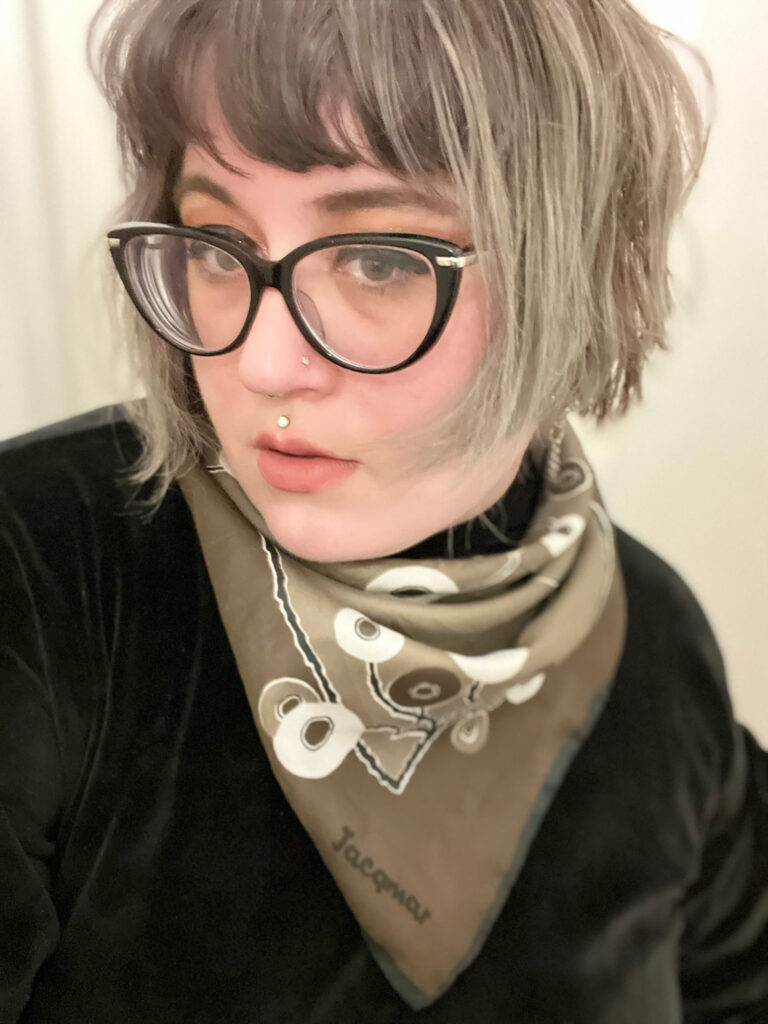
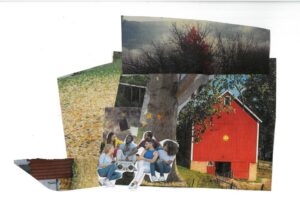
About the illustrator: allison anne is a queer, nonbinary artist based in Minneapolis, Minnesota, USA (unceded Očhéthi Šakówiŋ land). allison works in a variety of mediums including book arts, graphic design and publishing, but the core of their practice is paper collage—a constantly evolving exploration of experience and emotion through the reconstitution of various printed media and ephemera. By transforming these elements, allison creates textural abstractions which explore the intersections and interactions between context, materiality and creativity. In addition to their personal practice, they co-founded the projects Twin Cities Collage Collective and NONMACHINABLE—collaborative projects which connect and publish creative work locally, regionally, nationally, and globally. Learn more at allisonanne.com.