This piece was created through Sixty Inches from Center and the National Performance Network’s (NPN) Visiting Critic Program. This new partnership offered an opportunity for a Midwestern critic to attend a three-day conference hosted in Dearborn, MI at the Arab American National Museum—which brought together NPN’s 50+ performing arts partner organizations— and participate in discussions about the current state of the performing arts field with Dearborn and Detroit-area artists, arts leaders, and national presenting arts orgs, and share their reflections in an essay commissioned for Sixty.
NPN is a national network of artists and organizations committed to advancing racial and economic justice through the arts.
An Atypical Convening for a Bizarre Time
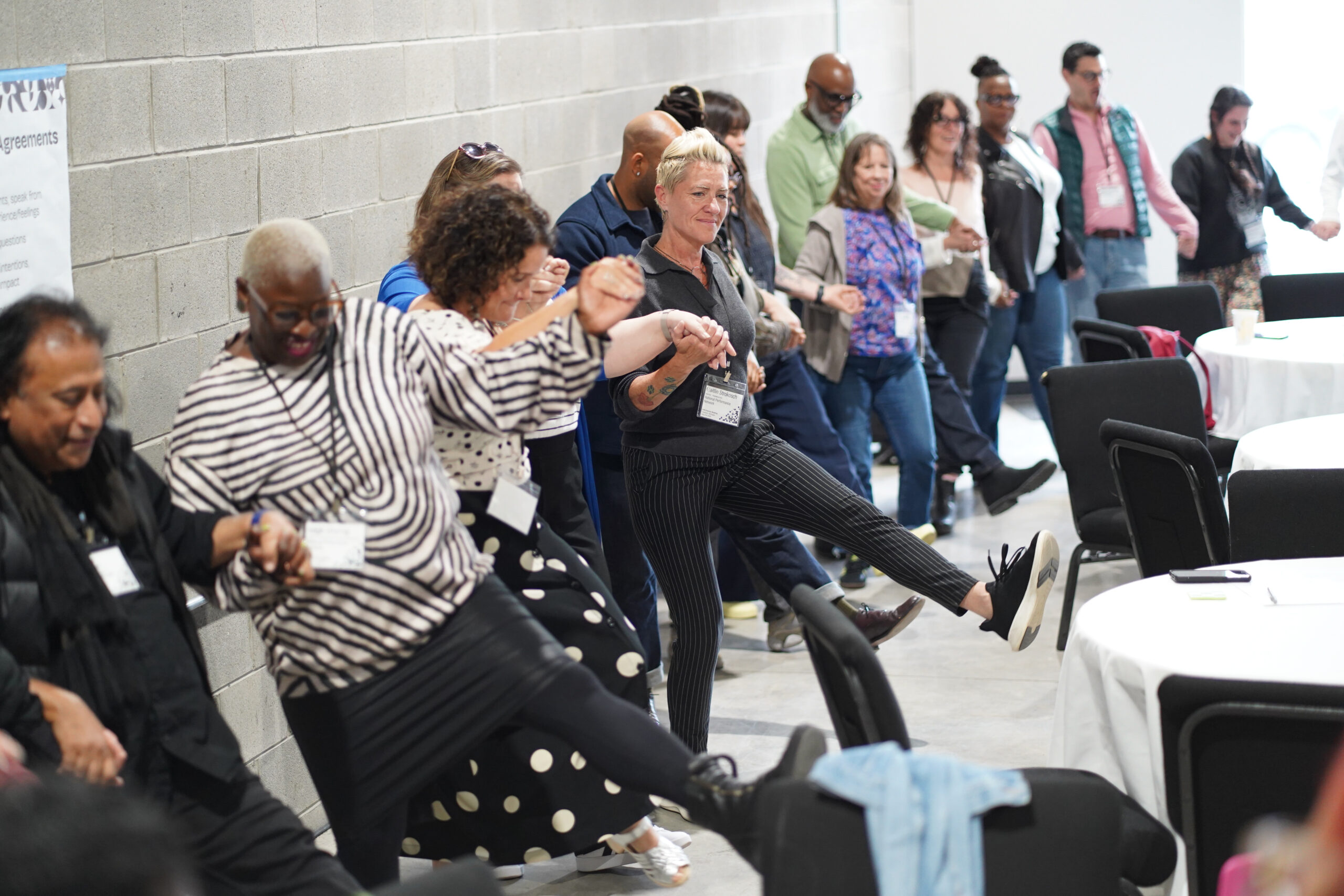
When I tell people I’m headed to a work conference, I’m usually met with sympathetic groans. They anticipate the typical experiences—monotonous, awkward pleasantries, endless lectures, the trial and error of dressing conservatively for a professional setting. However, they’ve never been to a National Performance Network conference. The moment I first stepped into an NPN partner convening years ago, I realized they were unlike other conferences I’d attended. I was surrounded by bold fashion, extravagance, brilliant minds, and an authentic sense of community. These individuals are not only aware of the global challenges we face but are actively working to address and repair them through a collaborative network—a web of collective wisdom.
NPN’s network includes more than 50 National Partners in 31 states and 47 communities and dozens of co-commissioning presenters across the U.S. Through the cultivation of long-term relationships and promotion of cultural equity, they seek to build a collaborative, non-hierarchical ecosystem based on racial and cultural justice, while working towards systems change in arts and philanthropy.
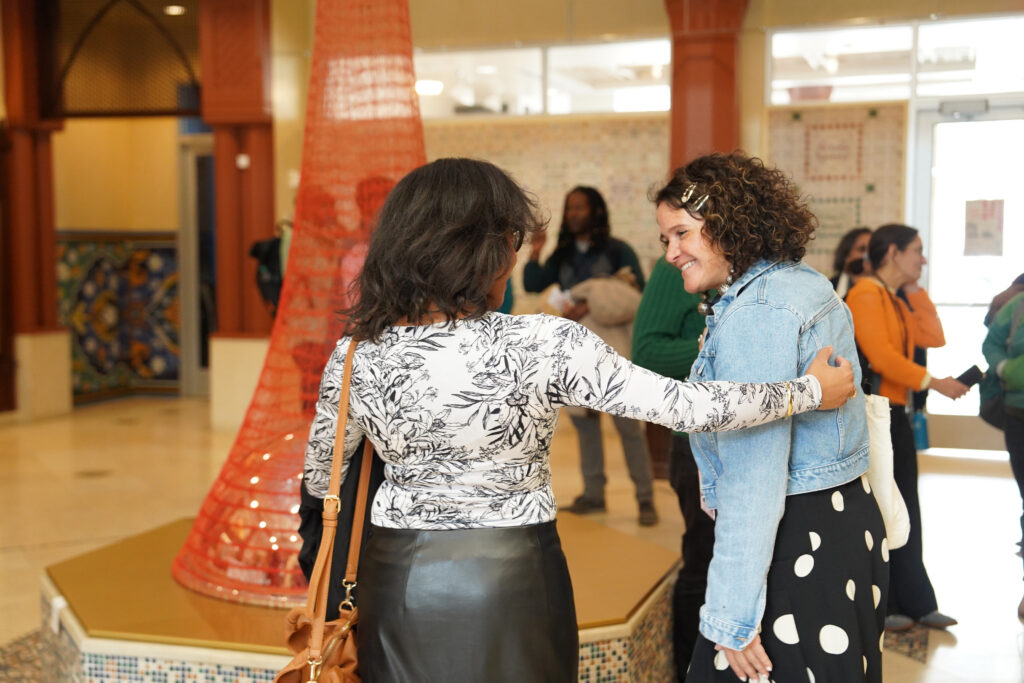
NPN is more than just a network of creatives; it’s a close-knit family of artists and those working in the arts. They welcome their partners with open arms, offering support, resources, and a deep understanding of the challenges we all face in the art world. My first foray into the NPN network was in 2022, but the organization I work within, All My Relations Arts (the arts and culture sector of the Native American Community Development Institute), has been one of NPN’s national partners for over a decade and was a cohort member of NPN’s Leveraging a Network for Equity (LANE).
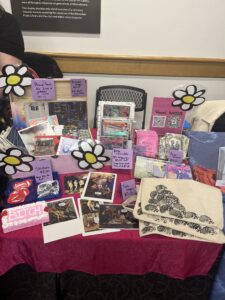
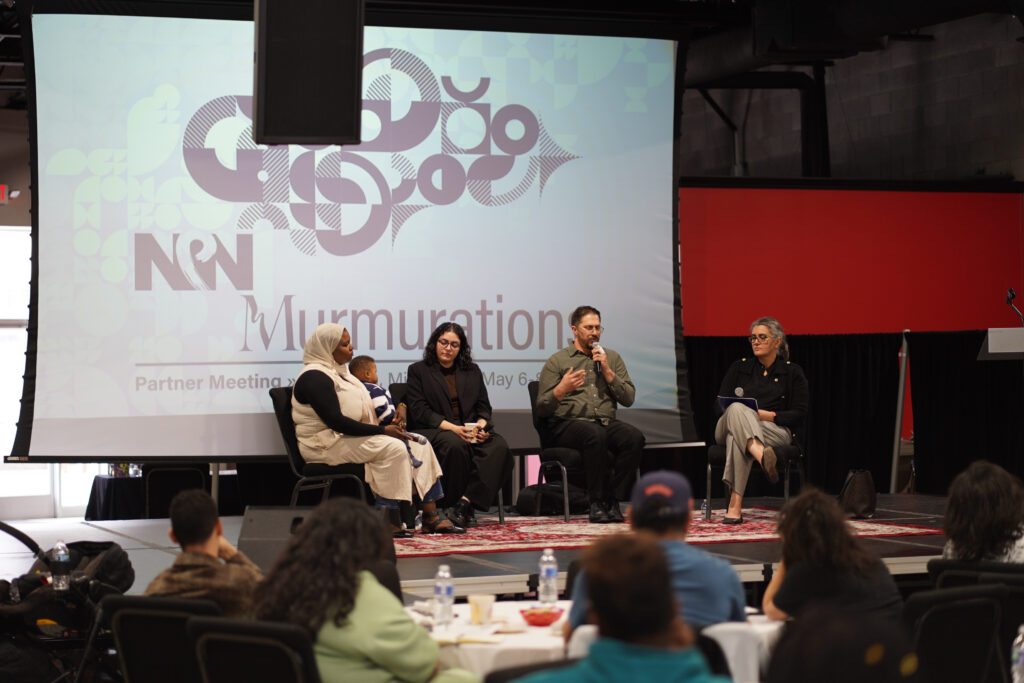
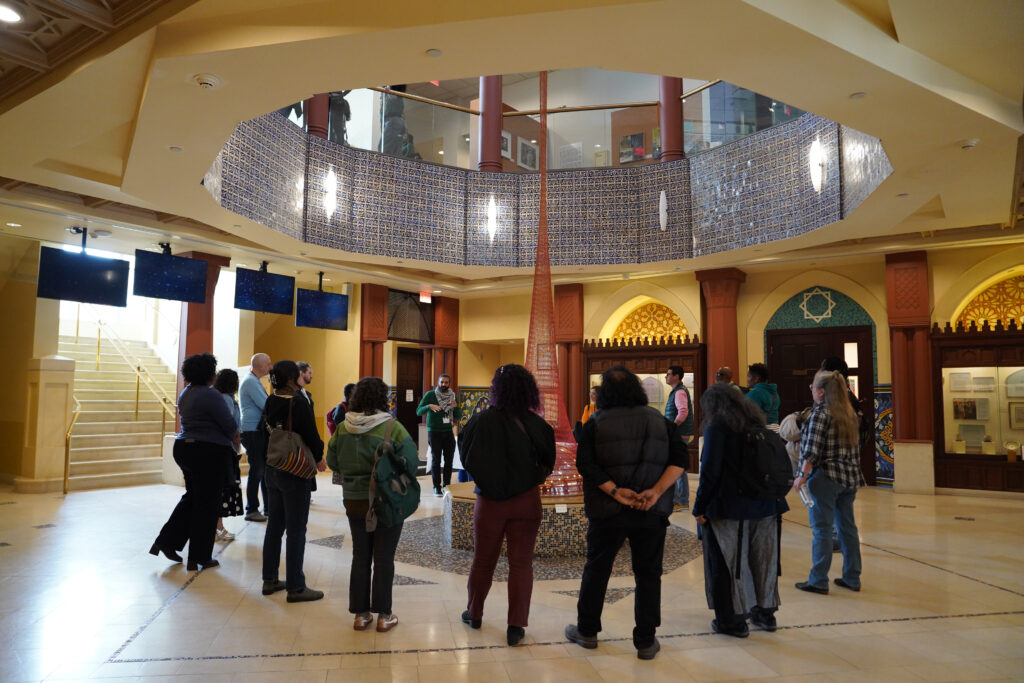
Our latest NPN Partner gathering took place in Dearborn, MI, hosted by the Arab American National Museum (AANM). We began with a guided tour through the museum, grounding ourselves in the specific identity of this community and the history of this place. After the tour, we gathered in AANM’s Annex at tables laden with printed materials declaring the conference’s motivating framework: Murmurations.
During an early dialogue between AANM’s Director Dr. Diana Abouali and three Detroit-area artists—Layan Srour, Raphique Barakat, Khadega Mohammed—the group reflected upon the friction of creating under the weight of socio-political hostility. They spoke to the tenacity required to navigate these times, anchored by Lebanese interdisciplinary artist Layan Srour’s haunting reminder: “The last thing they can take is your voice; your art; your culture.”
Murmuration as a Methodology for Arts Organizations
In the collective flight of a murmuration—
The entire flock pivots, a fluid adaptation to find collective endurance.
When exhaustion sets in for one, another assumes the front.
Starlings master the art of micro-adjustment, sensing the immediate needs of the whole.
A symbiotic choreography of twisting, folding, and shifting course.
For arts entities enduring an era of relentless trauma, this emergent strategy of rapid, synergistic response to civic emergency represents a pivotal shift from rigid to fluid.
It’s the very essence of reimagining and resistance.
We’re witnessing a rise of non-profit organizations and art spaces amidst an existential financial crisis. According to national data from 2024, arts and cultural nonprofits’ revenues haven’t kept pace with inflation, while individual donors, corporate sponsors, and public support have continued to decline significantly. Under the thumb of Trump’s administration and the fear of direct monetary retaliation, philanthropy has turned its back on organizations they once championed, fearing association with the “radical” movement or being perceived as too far left. This has left us all in a bleak and apocalyptic Catch-22: we need art to save us philosophically, but we also need more resources for artists to create. The current mode of philanthropy is in dire need of radical change.
Amid the compounding crises affecting Minnesota (where I live and work) and other communities across the U.S., resiliency and joy are harder to come by, replaced by sheer absurdism. We are now at a point where we have to decide, what kind of a community do you want to live in?
Throughout our time together at the NPN partner meeting, this metaphor of the murmuration became a sounding board against which I tested my recent experiences. Sitting beside my Minneapolis kindred from Pangea World Theatre, the atmosphere was thick with the residue of ICE’s “Operation Metro Surge,” and the devastating violence that claimed the lives of Renee Good and Alex Pretti. We had arrived weary, yet the palpable energy of the murmuration was present as we recounted stories of our city’s resistance and resilience. We explored how we, as advocates of the creative voice, found our own opportunities to sit in grief while continuing the work, while our own bodies, our own communities were, and still are, being directly targeted. I recalled instances of solidarity, such as when community members used their bodies, vehicles, blocks of ice, and homemade shields to obstruct and resist ICE agents as they tried to use St. Paul supermarket and restaurant El Burrito Mercado as their hunting grounds, – a classic and Minnesota stand-off of ice against ICE.
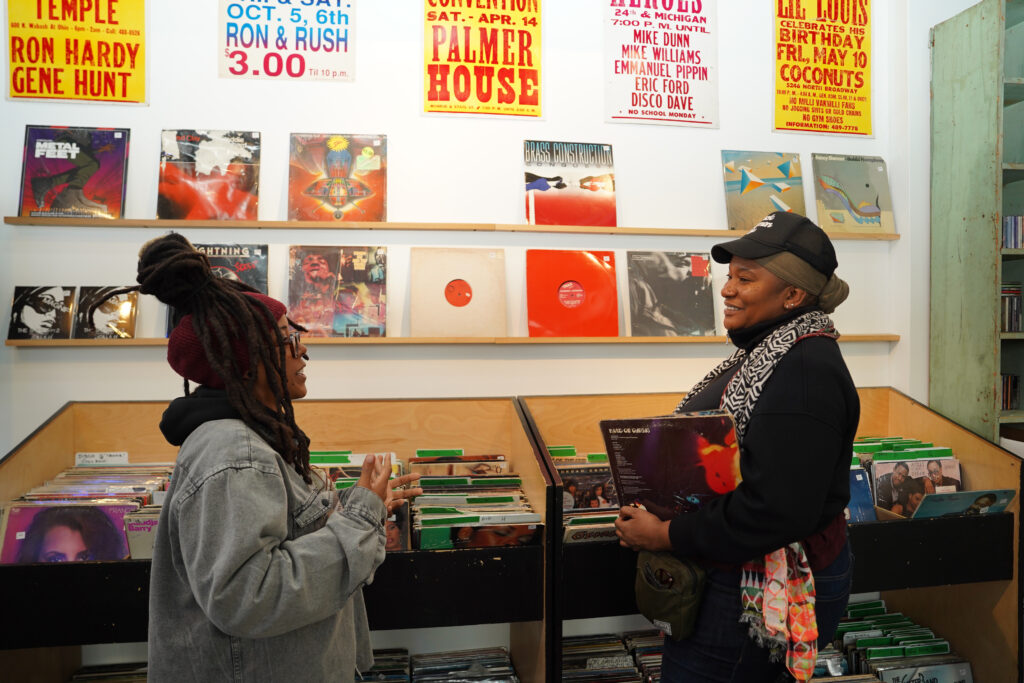
In response to what our community was facing, All My Relations Arts, rescheduled an upcoming exhibition instead, transforming the gallery into the “Resiliency Hub,” a safe haven for legal observers. The hub provided supplies, a cozy place to rest, and a complimentary meal. The vacant exhibition space was flooded with donations and community members who volunteered as bodyguards to enhance security against rogue ICE agents. We didn’t see this as a pause in arts programming. Instead, we viewed it as a shift in our roles. As a social justice organization, we prioritize our mission first, and as an arts institution, we support that mission second. To us, art and social justice are deeply interconnected.
“The artist’s role is to raise the consciousness of the people. To make them understand life, the world and themselves more completely.”
― Amiri Baraka
A Visit to the James and Grace Lee Boggs Center
I’ll admit, ahead of the conference, Detroit wasn’t quite on my radar as a place for civic resistance. Most of my knowledge about the city I had gleaned from the Henry Ford portions of the musical Ragtime. But I did know about Detroit’s visionary activist Grace Lee Boggs. I became obsessed with her in my early 20’s after I saw a community-led art installation during a cross-country road trip that included a quote from Boggs, “A revolution that is based on the people exercising their creativity in the midst of devastation is one of the great historical contributions of humankind.” Yet years would pass and conditions in the US and beyond would deteriorate so badly that I could not help but feel this need for radical, revolution-style change, to embrace her idea of creation as a catalyst for defiance.
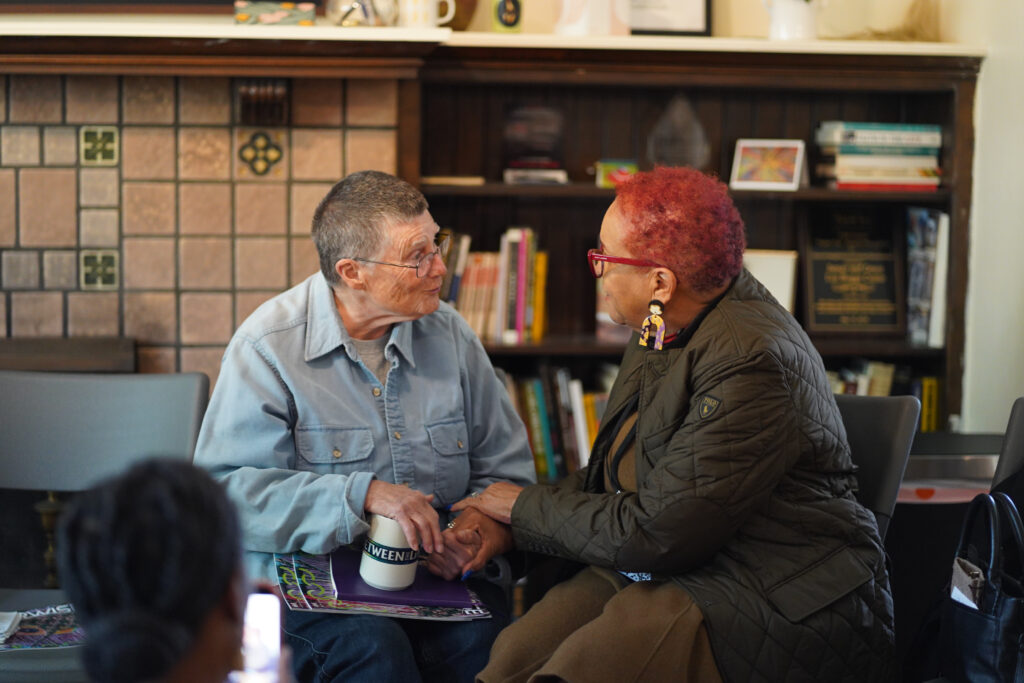
Because of my interest in Boggs’ work, I was ecstatic when I heard that NPN’s conference included a tour of the James and Grace Lee Boggs Center in Detroit and immediately signed up. I arrived early so I could explore the center on my own, sifting through a small library of books on socio-political movements, some authored by Grace and James themselves. In many of her consciousness-raising writings, Boggs asked us to reject individualism and tackle genocide, violence, and totalitarianism as a collective. A large vinyl text above the snack table reinforced this idea, “What time is it on the clock of the world?”
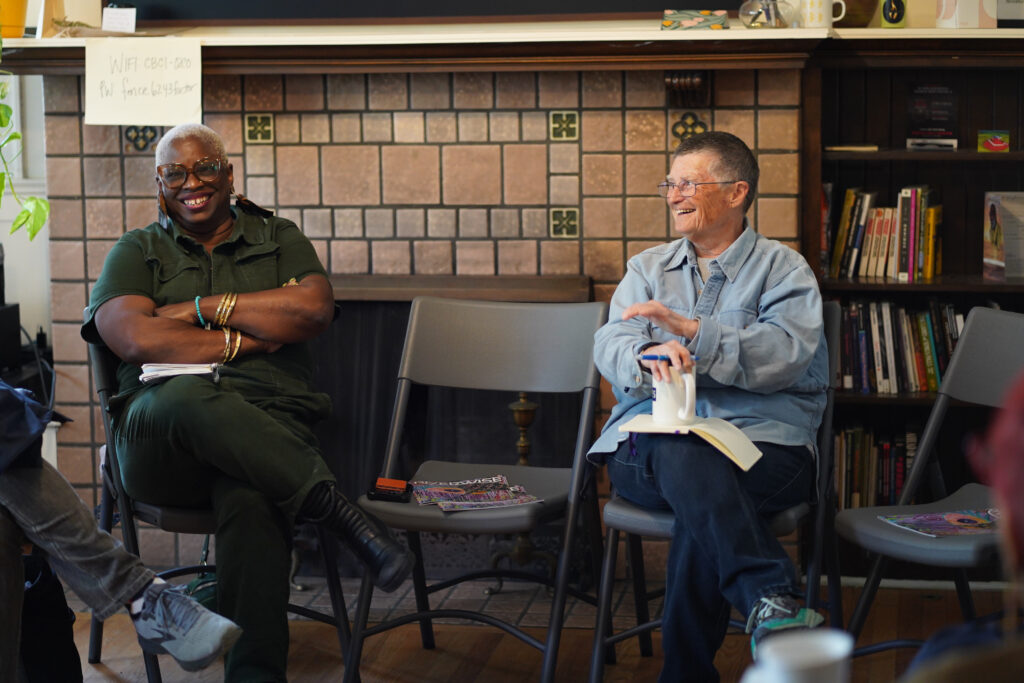
After a group of my peers and NPN staff arrived, we gathered and settled in for the tour, which would be led by Shea Howell, co-founder of the Boggs Center and someone whom Pangea World Theater’s Dipankar Mukherjee referred to as an “encyclopedia of civic activism.” Howell told us that the center was a space for community and world visioning, and that it was also the home where James and Grace Lee Boggs lived and died. The air is filled with the viscous aura of radical power. It’s palpable, making the hairs on my arm stand up.
Howell spoke about the foundational frameworks and movement teachings that became the principles James and Grace lived by, and she recounted the rich history of Detroit grass-roots organizing for labor and civil rights, and the community-led fight for racial and economic justice. I learned about the 1963 Walk to Freedom, the largest civil rights demonstration in US history up to that point where Martin Luther King Jr. gave an early version of his infamous “I Have a Dream” speech, and Howell also spoke about the 1967 Detroit uprisings, one of the deadliest and most destructive social insurgences in American history. Each of Howell’s stories expanded my understanding of Detroit and its history of community-led organizing. I could tell I wasn’t the only one deeply affected by Howell’s stories. Afterward, we each offered a word to describe our experience at the center: inspired, grateful, revitalized.
I left the Boggs Center feeling blithesome. NPN conferences always tend to fill me with a plucky optimism because they bring together like-minded people for whom art is an ongoing act of re-imagination and resistance, a reflection of the times. When I’m among these people, I feel that we must move forward.
“The only possible way of moving anywhere is by being confident that people are capable of extraordinary dedication, commitment, and creativity. But we can’t just exhort them, can’t just try to inspire them. We have to bring about a confrontation within them between what they are and what they can be.”
– Revolution and Evolution in the Twentieth Century, James and Grace Lee Boggs
How Do We Care for the Weary Artist?
Months have passed since I visited Dearborn and the Arab American National Museum with the National Performance Network, and I find myself sliding back into cynicism. Like many people I know, I’m tired. Even news that should feel comforting seems fleeting. Sure, Lindsey Graham might be dead, but I know another multi-headed, imperialistic, homophobe will arise in his place. To weather these horrors, I find myself looking to artists for entertainment, inspiration, revival. But even my favorite artists are exhausted; singer Fiona Apple recently posted a video talking about the struggle of writing due to the “barrage of global horrors” the world is facing right now. “I’m letting myself down,” she stated.
Same girl.
I cannot help but think that if the “Queen of Sad Pop,” who penned a song about mistaking a paper bag for a “dove of hope,” is struggling to make sense of this moment: Are we doomed? Are the conditions for making art unsustainable?
I think of this quote from Margaret Atwood, who challenged the notion of art as a gift in her review of Lewis Hyde’s The Gift: Creativity and the Artist in the Modern World:
“If works of art are gifts and nothing but, how are their creators to live in the physical world, in which food will sooner or later be needed by them? Should they be sustained by reciprocal gifts made by the public—the equivalent of the gifts placed in the Zen monk’s begging bowl?”
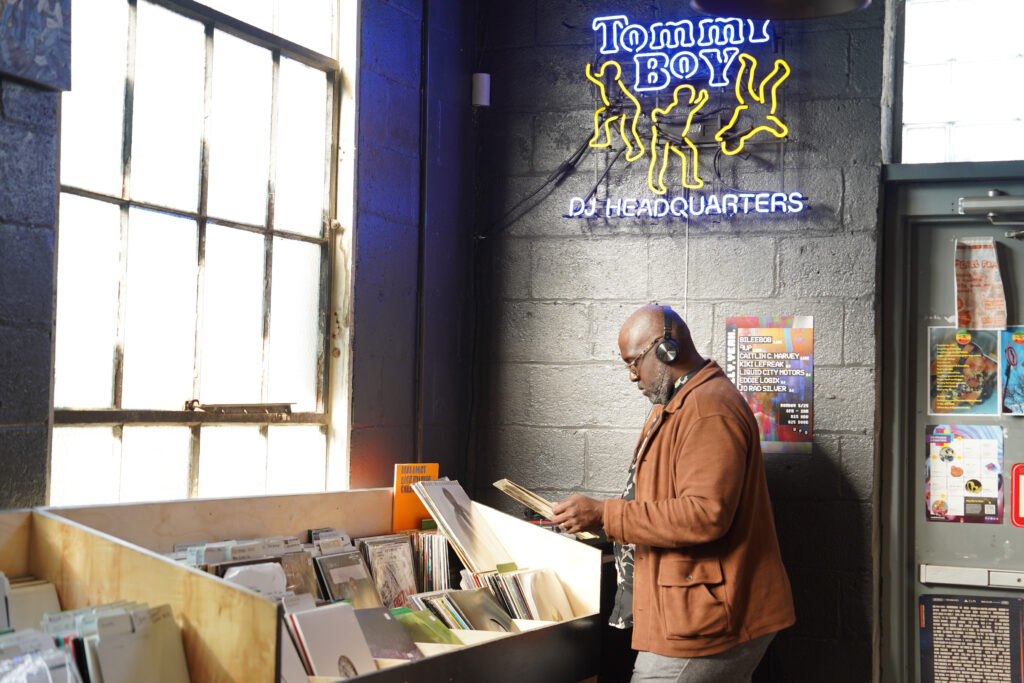
Atwood suggested that artists cannot merely live by the merits of their work; there are real life responsibilities at play. It’s great to receive a gift but when the gift giver is all tapped out, is it really a gift? Is it selfish to believe that artists should pound out work after work while barraged by horrors only to serve our entertainment, only so we can be momentarily revived? While Atwood’s concerns here primarily revolve around the fundamental needs of artists, such as housing, groceries, and healthcare, etc., I would also insist mental wellbeing and emotional stamina is also essential to sustaining creativity. How do we strike a balance?
A recent study by the FiBL Research Institute of Organic Agriculture found that animals killed in a slaughterhouse had 20 times more stress hormones in their blood than animals killed on farms. Pre-slaughter, these animals may experience fear, dehydration and hunger, increased physical activity, fatigue, and stressors which alter the meat quality. This meat becomes more susceptible to microbial contamination and has a shorter shelf life. In short, the intense psychological and physical stress triggers chemical and physiological reactions in the animal’s body, physically altering the quality and texture of the meat.
What does that say about art created by artists in a perpetual state of duress, fear and stress, i.e. mental products of the barrage of horrors? Does the stress and fear secrete out into our art tainting the “meat” of it all, or —because we are creating something that seeks to connect—does it cancel itself out? And if the work is exhibited when the emotion has long left our body, does the emotion still exist? Does it become the fabric of the work, engrained in the context, or does it no longer belong to our ephemeral consciousness and instead belongs to everyone who witnesses it?
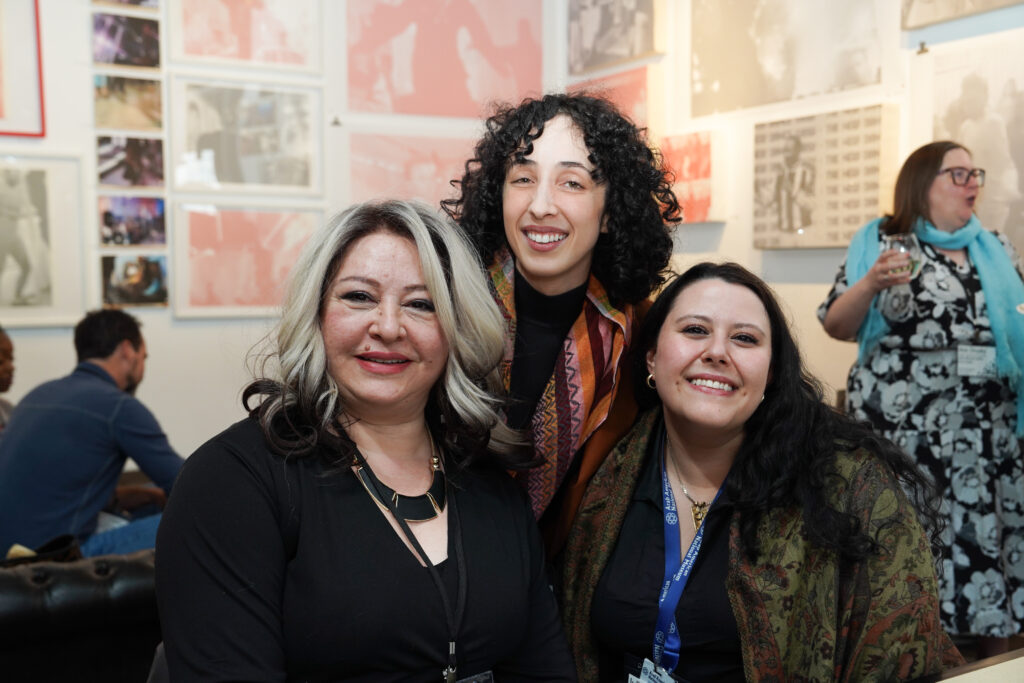
So, what’s the local artist survival rate here? Clearly, the impact of creating art and being creative while simultaneously witnessing and potentially experiencing the violence of our current political climate is being realized.
Instead of constantly chasing output, perhaps the key to preserving our art, craft, creative voice, and the untainted essence of our work lies in a radical change of what we expect from artists and the organizations who support them—a shift from product to process, a regenerative approach rooted in mutual aid, sustainability, and reciprocity. And before you dismiss this as just buzzwords, I implore you to consider existing models that already embody these principles.
How Can We Make a More Pleasurable Society?
Similar to the metaphor of murmurations employed by NPN during their 2026 Dearborn Partner Meeting and the conversations sparked by that gathering, I want to embrace the concept of regenerative ecosystems and how we might use them as a model to shift our thinking around art and creation from extractivism to reciprocity.
Much like inter-species flocks where members take on specialized roles as watchers or gatherers, these acts of mutual care provide necessary moments of rest and collective survival. Indigenous economies have long modeled reciprocal relationships with both the community and the land. As examined by Native scientist and herbalist, Robin Wall Kimmerer’s The Serviceberry: Abundance and Reciprocity in the Natural World, an abundance mindset—one based on reciprocity rather than accumulation, where wealth and security come from the quality of our relationships, not from the illusion of self-sufficiency—is possible. In nature, the serviceberry tree’s role is that of altruistic gratitude, not hoarding its nutrients but rather sharing its fruit with birds, insects and animals who in turn share its seed ensuring the tree’s continued survival. Embracing an abundance mindset over one of scarcity allows us to keep the gift in motion.
In A Paradise Built in Hell: The Extraordinary Communities That Arise in Disaster by Rebecca Solnit argues that disasters often trigger a “temporary utopia” of altruism, solidarity, and mutual aid, challenging the typical narrative of chaos and panic. These gift economies frequently emerge as vital responses to the failure of formal institutions. Through case studies of major events like the 1906 San Francisco earthquake, 9/11, and Hurricane Katrina, Solnit shows how crises reveal an unmet yearning for community and purpose, allowing people to act with surprising generosity and resourcefulness, and suggesting a model for a more collaborative–and dare I say, pleasurable–society.
This rise and pivot to mutual aid as resourceful practices was beautifully demonstrated in Minneapolis during the recent ICE metro surge and violent killings of Renee Good and Alex Pretti. Arts orgs, specifically BIPOC-led organizations, focused their efforts on mutual aid through simple acts of protecting immigrant neighbors and artists, hosting safe spaces for the community to gather. Twisting, folding, and shifting course.
“We are living in an age of illusory connectedness, when time online acts as a deceptive stand-in for togetherness. But it’s not enough. Our animal kin reveal countless ways and reasons to be in community: to find safety and survival, to mourn and love. Fortifying our relationships—both with one another and with the more-than-human world—is a counterspell to the glamour of individualism and loneliness of the anthropocene. The shape of connection may vary, but the need for it is universal. Because in nature as in life, nothing exists in isolation.”
– ON MURDERS, MURMURATIONS, AND OTHER WAYS OF BEING TOGETHER, Willow Defebaugh
Murmurations exist on the cusp of transformation—where a tiny shift by a single bird can ripple through the entire flock. Arts organizations can encounter similar cultural tipping points, where artists, galleries, and art spaces can perceive and influence widespread social or aesthetic transformations because they are particularly sensitive to shifts in the economic, political, and social climate. However, these entities can also experience widespread social and cultural burnout. When such burnout occurs, it is crucial for the artists and organizations with the energy and resources, such as NPN and its National Partner organizations, to step in and support the collective, bearing the burden and supporting the ecosystem.
How do we care for the weary artist? The resilient artist? What ripple effect does it make on arts organizations as a whole? Can we build a system for artists and arts workers that prioritizes rest? How do we sustain this altruism and mutual aid and turn it into a regenerative ecosystem? These are some of the questions I look forward to grappling with alongside my colleagues in NPN’s national network at future Partner meetings.
Instead of relying on plucky optimism or constant resilience, perhaps we must acknowledge our changeable role, that we can be a weary bird who relies on the strength of the weariless flock and nutrients of the serviceberry until we regain our strength and can assume our responsibility to hold the flock, to share the seed of the serviceberry and ensure the ecosystem continues to thrive.
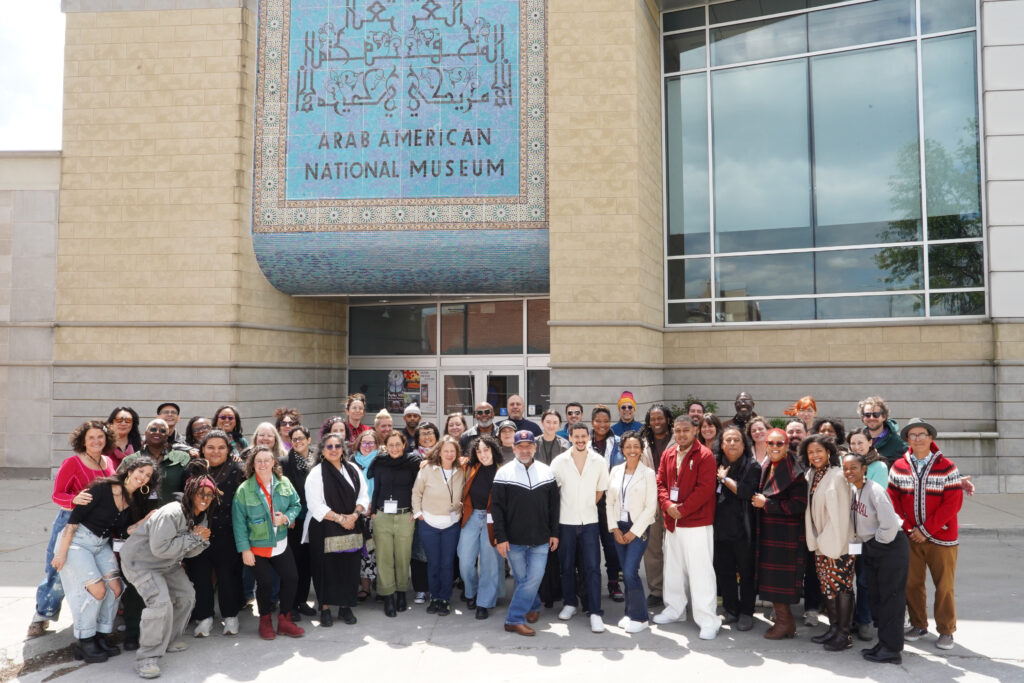
Learn more about the National Performance Network’s work to advance racial and economic justice through the arts HERE.
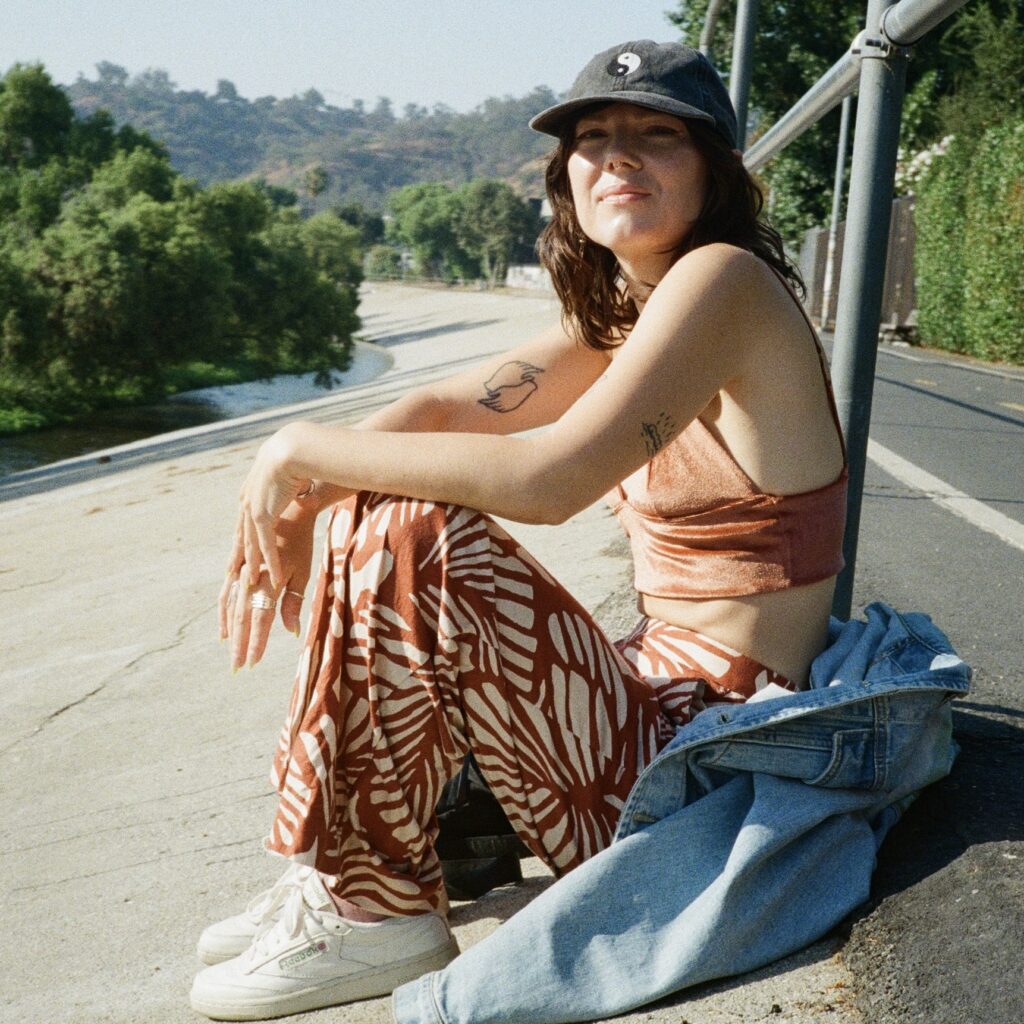
About the author: Juleana Enright (Lower Brule, Lakota) (they/them) is an Indigenous, queer, writer, curator, ceramist and DJ based in Minneapolis, MN. They have contributed to local literary platforms Pride Magazine, MnArtists, mplsart, Primer and City Pages, as well as the national magazine, Hand Paper Making. Juleana has curated six art exhibitions, including Soft Boundaries, Anomalies, biskaabiiyang (returning to ourselves), and the Green Roof Poetry series at the Walker Art Center. Juleana is a recipient of the Emerging Curators Institute 2020-21 Fellowship program, and has held fellowships with MnArtists, Sixty Inches from Center and Franconia Sculpture Park. Through their practice, Juleana strives to examine the act of daily creation in the midst of great chaos.
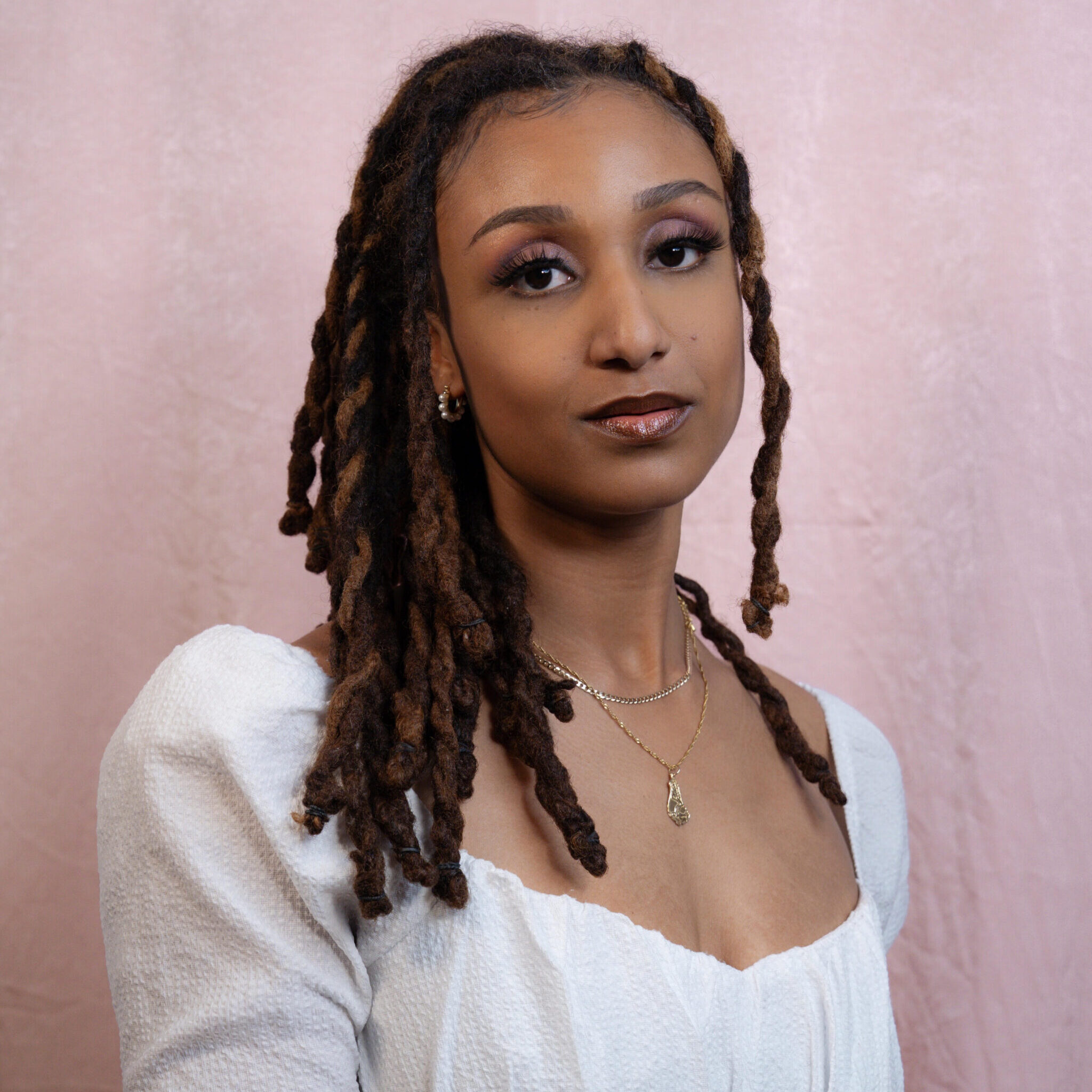
About the photographer: Paisley Sutton (she/her) is a Detroit-born director, producer, and photographer whose work explores ancestral memory, cultural preservation, and storytelling as a tool for collective healing. A graduate of Loyola Marymount University’s School of Film and Television, she directed the award-winning short documentary Descendants, produced social media campaigns for high-profile brands like Hulu and National Geographic, and co-wrote Anderson.Paak’s Grammy-nominated “Lockdown” music video. Paisley is also the co-founder and Creative Director of Winnie Media, a Detroit-based production company dedicated to expanding access and authorship for underrepresented creative voices.