The traditional path to being a part of the world of perfumery consists of a wading through narrow academic channels, a labyrinth of chemistry degrees, egregious supply costs, and funded by major fashion conglomerates utilizing perfume as another sector of advertising to their consumers. The olfactive arts are left out of arts discourses because of it.
Slowly, this dynamic has been shifting with the rise of social media communities such as PerfumeTok on Tiktok and the website Fragrantica. The birth of those communities mark the first time perfume has been given a widely shareable visual and contextual component, broadening its accessibility for those who don’t possess the background or ability to collect such expensive artifacts of olfaction. Much like image replication of visual works of art, perfume can now be experienced through a mediated act of viewing, whether it is a pyramid of small graphics or a video of someone describing their own olfactory experience. This development has shifted the perspective on what’s possible in the world of independent perfumery and self-taught perfumers. Often entirely self funded, they are more often in it for the love of the game, only selling what they can afford to produce themselves. Amongst perfume enthusiasts, the exclusivity of being able to find and acquire these independently-crafted scents has even evolved into an inverse signal of good taste compared to scents from high fashion houses.
As a long time indie perfume fanatic, I was pleased to be led by my algorithm to the details for an independent perfume exposition occurring locally. A ticket costs $40 and provides access to two days of smelling, talking, and communing. I bought one and immediately sent the link to fellow enthusiasts that I knew lived in the area. March 28th, over 40 independent perfumers set up their booths at Artifact Events in Ravenswood, Chicago in preparation for the arrival of hundreds of people buzzing with excitement over Chicagos first indie perfume expo: FUMED.
FUMED is described as an “olfactory riot,” citing “radical kindness, mutual respect, and intellectual exchange” as its goals. Event staff came to meet the line of people eager to get inside with badges, which allowed attendees to share their name and provided a QR code for them to connect outside of the event. The venue layout included two floors of perfumers’ booths with an airy plush lounge in the middle, hitting the sweet spot between high energy and eagerness to smell new scents without feeling the frenzied mad dash to spend.
FUMED’s programming also included four panels and a workshop offered at pay-what-you-can pricing with all of the ticket sales going to support organizations of the panelists choice. Featured topics included material sourcing, ancient histories of perfumes, experimental scent writing, and the rituals behind olfactive storytelling.
I was able to snag a ticket to “Crafting Culture: Translating Peoples, Places & Plants into Fragrance Narratives” led by Terees Western, founder of FragranTed. Western is a perfumer and Scent Docent(™), providing perfume education online and in person. The panel featured James Koromas of Koromas Aromas, Neerav of Mitti, and two Midwest-based artists: Shawn Maher from Maher Olfactive and creative director of 86 West, Chris Chambers. The panel explored topics such as the use of natural materials in transmuting one’s olfactory story and the ways perfumes can give sight to something unseen. The sense of smell is the most intense when the sense of sight is removed, giving more room for the brain to process other senses as suggested by neural patterns. The deeply personal expressions of these perfumers rely on the ephemeral nature of their material compositions to elicit a visual from the smeller all within their own head, creating something else entirely unique to the smeller. Thus cultures, plants, and memories otherwise inaccessible to the visual field are mediated through perfume.
After the panel ended, I received the chance to speak with Terees Western about fragrance’s unique ability to create sensory access through smell. She stated, “Fragrance is the only art form that becomes fully alive when experienced on the body. As a Scent Docent(™) and Artisan Perfumer, I describe fragrance as a liquid masterpiece. To smell or wear a fragrance is to step directly into the perfumer’s scent story—an invisible world that comes alive on skin, in the mind, and in the spirit. Fragrances become lived experiences. Unlike visual art, which sometimes requires interpretation, fragrance speaks directly to emotions. Fragrance tells stories that are both engaging personally and culturally.” Western believed that perfume creates unique portals that exist solely in the act of smelling, which is created intentionally from an individual’s singular and highly subjective point of view as well as from the view of the perfumer themselves.
Day two of FUMED’s itinerary was slightly less busy which left attendees with time to walkabout the venue. Many people took the time to mingle with new friends and enjoy a taco or rose water vodka from the bar on site. It was clear the outpouring of business, appreciation, and face-to-face interaction had left people feeling uplifted about the future of perfume arts. I received hugs and smiles of recognition from people I had only met yesterday. I am reminded of something James Koromas said during the panel on the day prior: “Inspiration is the highest form of human connection.” Many of the exhibitors sold out of product inventory and expressed their surprise at attendees’ willingness to purchase so casually. This perhaps signals a shift in olfactive arts and artists as something that is being widely recognized for its personal expressions.
I utilized the calmer energy of day two as an opportunity to smell more and talk less. One of the clear standouts was Hez Parfums, a New Orleans-based brand. All of the scents are incredibly photorealistic recreations of the perfumer’s life in New Orleans. I was most impressed by “Jungle Juice,” a blend of sugared fruits resting on synthetic musks, which immediately took me back to being 16 and drinking in someone’s backyard at the beginning of summer. I also developed a soft spot for “Plum Confiture,” a spiced oud gourmand hybrid I couldn’t stop smelling. Then there was Maya Njie, another brand that focused on scent as mediation. Relying on her background in photography and textiles, Njie created scents representative of different family photos from Sweden and Gambia. She even had the photos with her and pulled them out, entrusting me with photographic details of her travelogue and childhood. “Tobak,” which was accompanied by a photo of Njie’s sister and grandad—who the perfume is an ode to—was particularly nostalgic. Her work shows us how perfume can be a way of honoring ancestors by creating a vehicle with which to share their stories and essences.
I spent the most time smelling the collection of scents from American Perfumer, a retailer based in Kentucky and the only retailer carrying exclusively American-made perfume. “Call Me,” created by Diane St. Clair, was my personal favorite smell of the weekend. It consisted of a beautiful blend of musks, creating a reimagined version of the canonical American perfumes of the 1980s. The work and mission of American Perfumer acts as a living scent hub for the works of American creators working outside of bureaucratic institutes like the International Higher Institute of Perfumery, Cosmetics & Food Aromatics (ISIPCA), and Moët Hennessy Louis Vuitton (LMVH), which dominates perfume production in France and Italy.
FUMED is evidence of the evolution in olfactive arts from ateliers towards independent perfumery. The exposition was no doubt a success, with one exhibitor telling me it was the most financially successful weekend of his life. There is proof that people want to learn and experience ephemeral art for themselves, not only as commodities, but as community-building tools offering mediations of cultures, lived experiences, and plant materials otherwise outside of their own scope. Independent perfumery is a place where cultural exchange and appreciation can meet, presenting an alternative way of seeing compared to an objectifying gaze imbued in looking. Rather than relying on the culture exchange and machinery of ideas permeating the fine art industry, independent perfumes invite us to remove the act of seeing, and be curious about sensing through the lens of our own emotional landscapes.
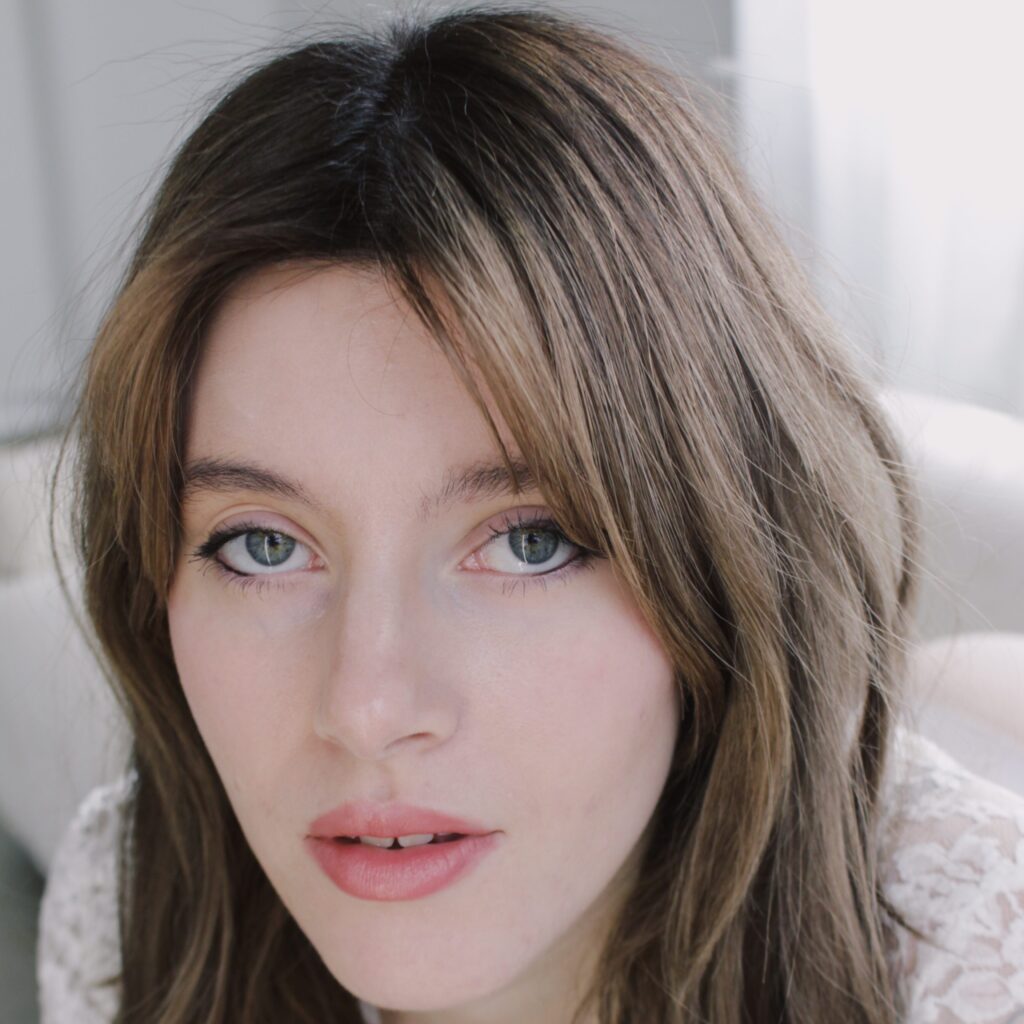
About the author: Ruby Robison is a multidisciplinary artist based in Chicago. She has lived and worked all over the United States as well as Amsterdam as a writer, model, actor and a media researcher. Her creative process includes socratic seminars in the back of an uber and sleeping 10 hours a night. She has written about perfume for Haloscope, and Dirty Magazine. More of her work can be found on instagram @darlingmsbaby.
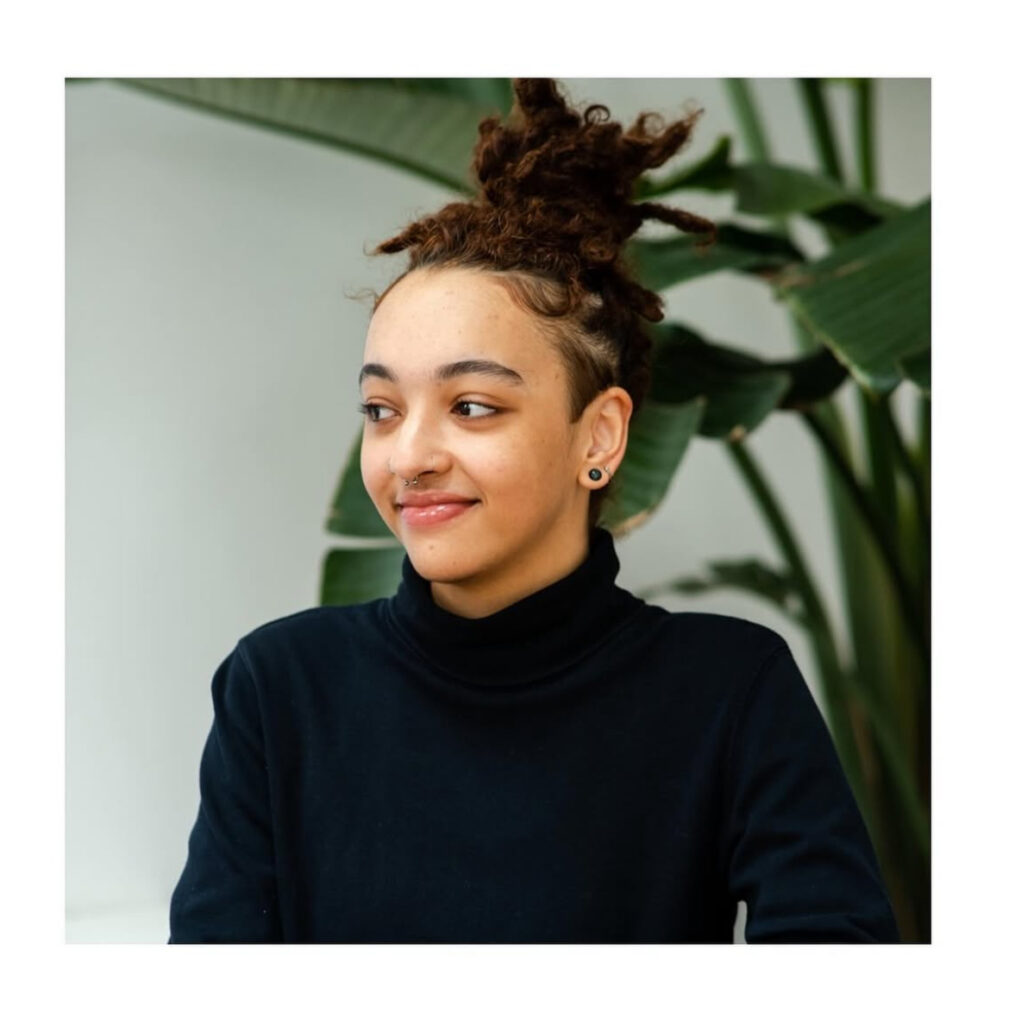
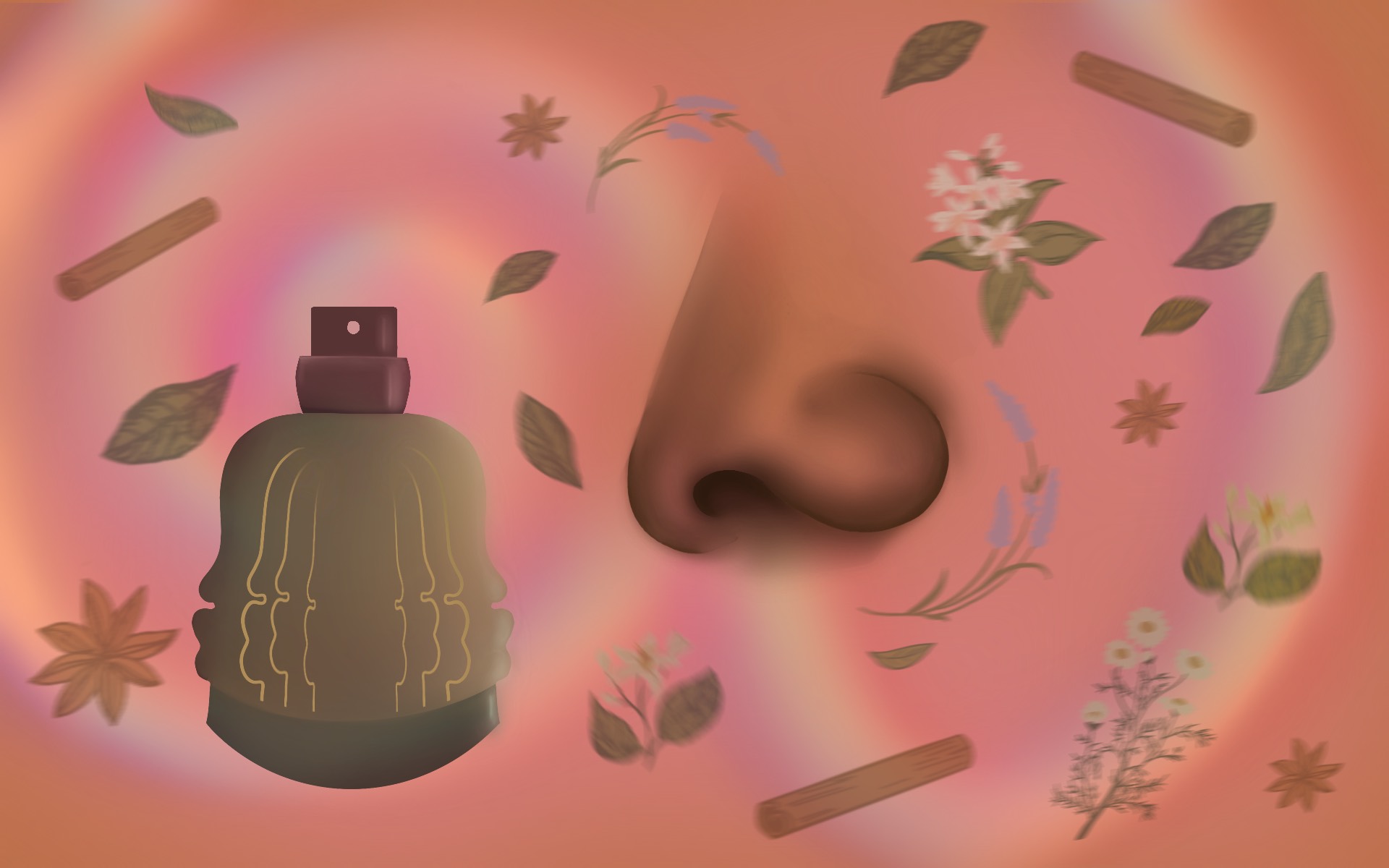
About the illustrator: India Hines (they/them) is a queer, Black-Melanesian artist, born in Denver, USA and raised in Indianapolis, USA. From a young age, India’s love for creating has fueled their passion and driven their pursuit of becoming a full-time artist. They are self-taught and primarily work with watercolor, ink, pencil, and oil but are not limited to those mediums. India loves making their signature organic shaped faces, which symbolize fluidity, change, and balance at their core.