In mid-September 2025, the storied 1888 Lincoln Park building which housed the Roger Brown Study Collection (RBSC), the former home and studio of Imagist painter Roger Brown, was publicly listed by the School of the Art Institute of Chicago. Written in the stark, developer-courting idiom common to Chicago real estate listings, the first line stated: “1926 N. Halsted is a rare opportunity to completely renovate or to demolish the existing structure to make the land vacant and ready for development.”
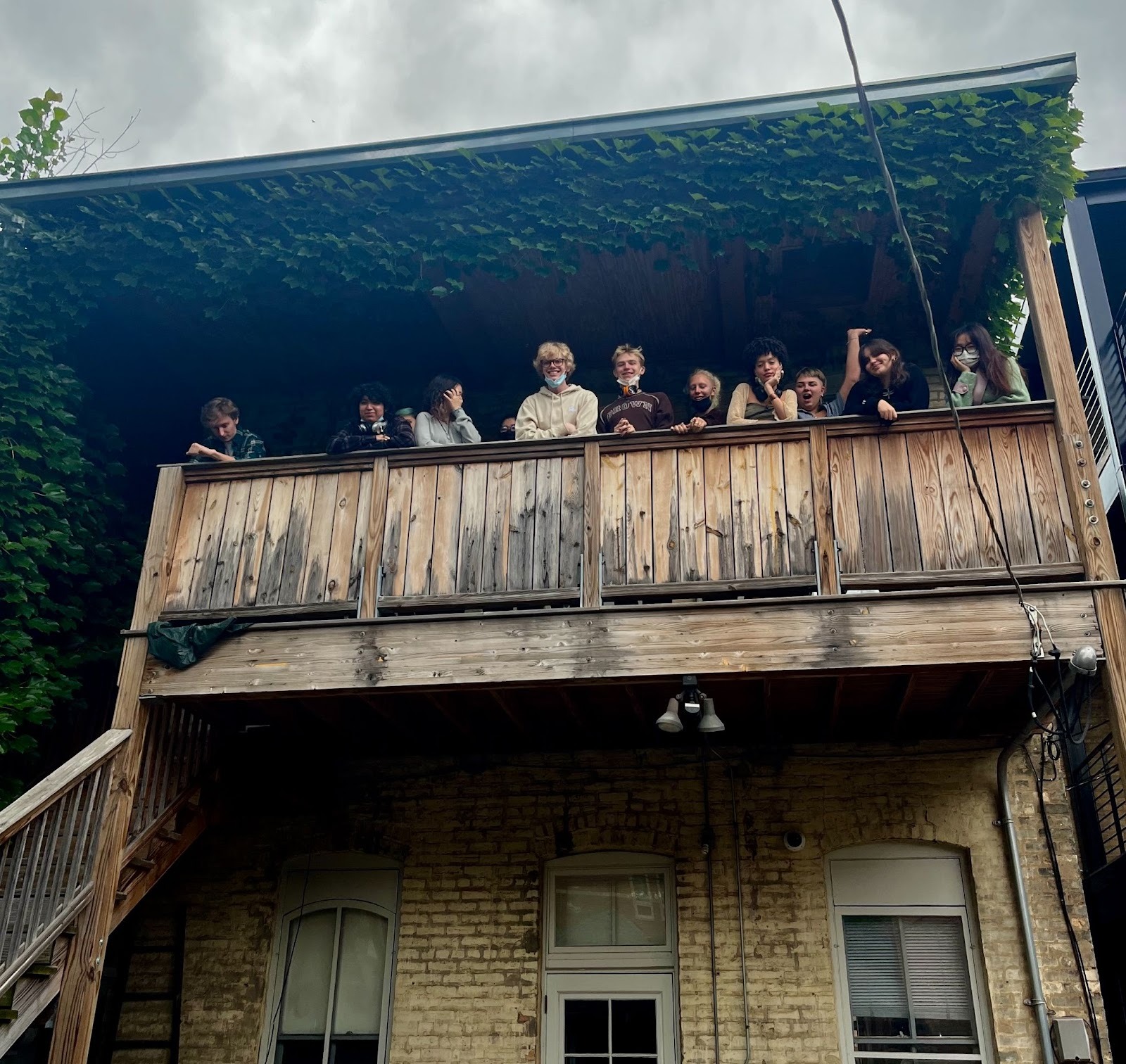
Brown’s home began its life as a teaching collection in 1997, following the gift of the building and its over 2,000 installed artworks––including several Chicago Imagist paintings and illustrations, ephemera from roadside attractions, Southern ceramics, a variety of quilts, eccentric found-object sculptures, and a range of other popular culture and craft objects produced for networks beyond the mainstream art market––to The School of the Art Institute of Chicago (SAIC), Brown’s alma mater. Following the artist’s tragic death due to complications of HIV/AIDS, Brown’s home and studio became the site of countless class visits, performances, archival projects, and creative experiments for the generations of students, like me, who matriculated through SAIC’s Bachelor’s and Master’s programs. Particularly considering the building’s important history as a site of historic preservation training for SAIC, the pro-demolition language of the September real estate sale listing (now altered due to backlash) served as another shock within a series of opaque decisions made to jettison the beloved house museum and artist collection made by the School. “I learned of the sale of the collection in December 2024, after it was a fait accompli,” Lisa Stone, longtime director of the RBSC communicated to me via email in October. “SAIC negotiated the sale for one year, behind closed doors. It was a blow to find that my, and my co-worker’s legacies, building the RBSC into a high-performing resource of SAIC for 23 years, were thrown under the bus, but worse, that the Roger Brown’s gift to SAIC and the world, was to be removed from its natural habitat. Had stakeholders been involved in the process, we at least could have helped.”
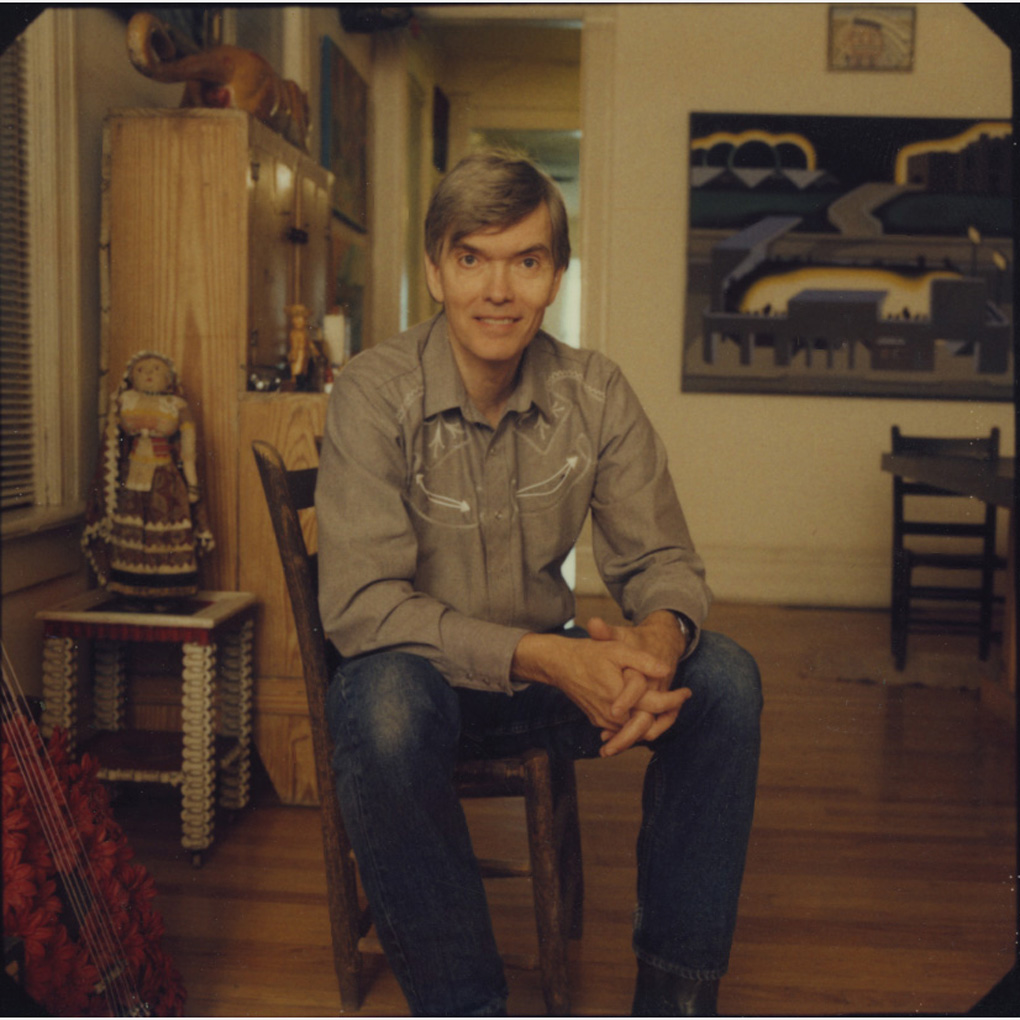
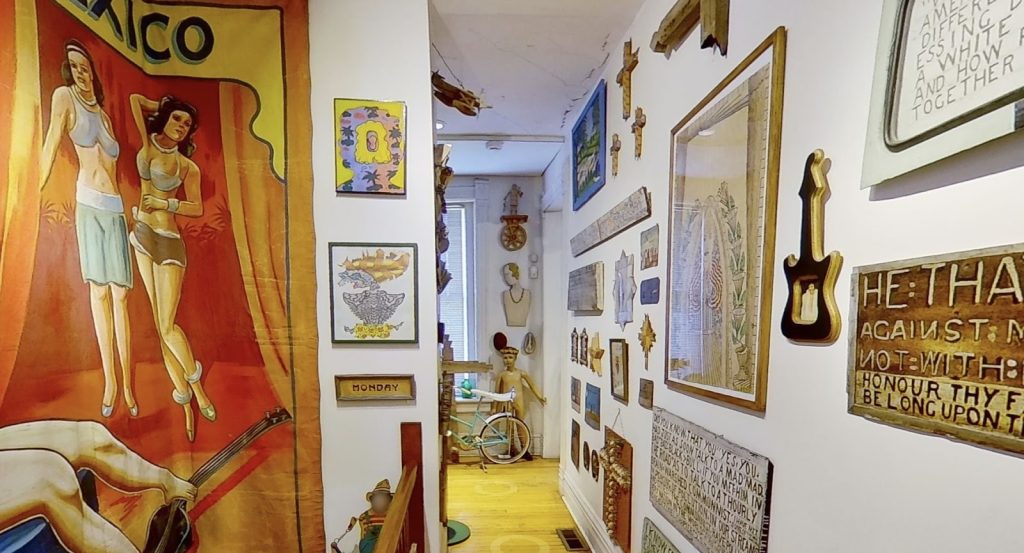
As is clear by the growing number of reports and impassioned op-eds historicizing the RBSC, calling for the building’s preservation, and critiquing SAIC’s recent clandestine maneuvers, the influence the RBSC wielded within the Midwest arts sphere was extensive. Its significance has become newly legible, sadly, as those with experience of the RBSC come forward to collectively mourn, respond to the impending sale with righteous anger, and reflect upon the lessons gleaned from the collection.
“The house is a central part of SAIC history and to lose it would be an inestimable loss for Chicago,” Leslie Umberger, curator of Folk and Self-Taught Art at the Smithsonian American Art Museum, wrote to me in October. “You can’t get these places back once a few bad decisions lead to their demise, so the time to do the right thing for this landmark site is now.” Umberger is one of several professionals working in the field of self-taught and vernacular arts with whom I have been in conversation this fall following the news of the RBSC’s closure. Elizabeth Driscoll Smith, now Joyce Linde Assistant Curator of Folk and Self-Taught Art at the Museum of Fine Arts Boston, performed extensive research on Roger Brown’s collecting history as part of her dissertation work on U.S. artist-built environments. Smith similarly underscores the importance of retaining the building in the wake of the widely unpopular decision to displace the collection itself: “My visit there was transformative because it made me realize that an artist’s home and workspace are crucial for understanding their practice as a whole. Specifically for Roger Brown, we need this spatial context, because it was part of his work.”
I write alongside Stone, Umberger, Smith, and the hundreds of others who have offered testimonials in a circulating preservation petition to lament the incalculable loss to Chicago’s cultural landscape through the School’s short-sighted decision to sell the collection last December, and to now attempt to sell Roger Brown’s historic home. I also seek to publicly underscore SAIC’s indisputable responsibility to assist, with all of its available resources, in supporting the campaign to landmark the building to ensure its continued presence in Lincoln Park as a reminder of the collection’s history. (Most recently, the Commission on Chicago Landmarks voted on October 9th to offer a preliminary landmark status.)
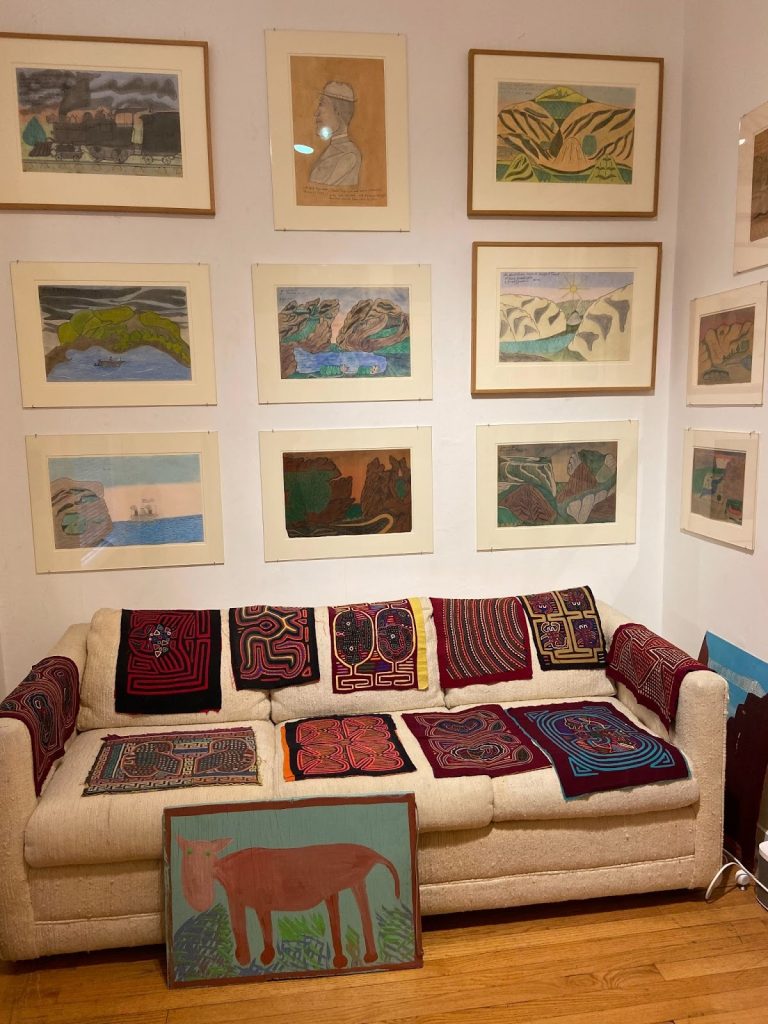
While the art collection’s new stewards––the Kohler Foundation and John Michael Kohler Art Center in Sheboygan, Wisconsin––have the best possible institutional infrastructure to meaningfully recontextualize and care for the artist’s displaced objects beyond the School, the collection’s removal from its initial site of emergence and community constitutes a radical change in its long-term use as a teaching collection, venue for art student experimentation, and celebration of Chicago’s surrounding culture. The RBSC’s particular embeddedness within the city was manifest not only in its neighborhood setting (at a distance from institutional art centers downtown and on college campuses), but also in its significant holdings by Chicago artists like Joseph Yoakum [fig], William Dawson, and Barbara Rossi. Its reflection of surrounding vernacular culture was also made visible through its many objects originally found by Brown at Maxwell Street and other local markets that attracted SAIC devotees in the 1960s and 70s. “The RBSC,” Lisa Stone notes, “performed in and was complicit in the incredibly fluid constellation––the sister/brother/personhood of art spaces in Chicago––characterized by being feral, original, independent, artist-centric, and artist-forward. Experimental to the core. All as per Brown’s ethos, for ‘artists in spite of the mainstream.’” Upon news of the RBSC’s sale, SAIC released a statement claiming that: “Over the time that the school cared for Brown’s home and especially during this latest renovation, it became clear that an appropriately safe and climate-controlled museum setting would best serve the art collection.” This framing came as a great surprise to me and other former RBSC staff who had direct experience of the building and objects, and considering SAIC’s history of successful preservation work and the recent improvements to archive spaces which the School had just funded between 2020 and 2023.
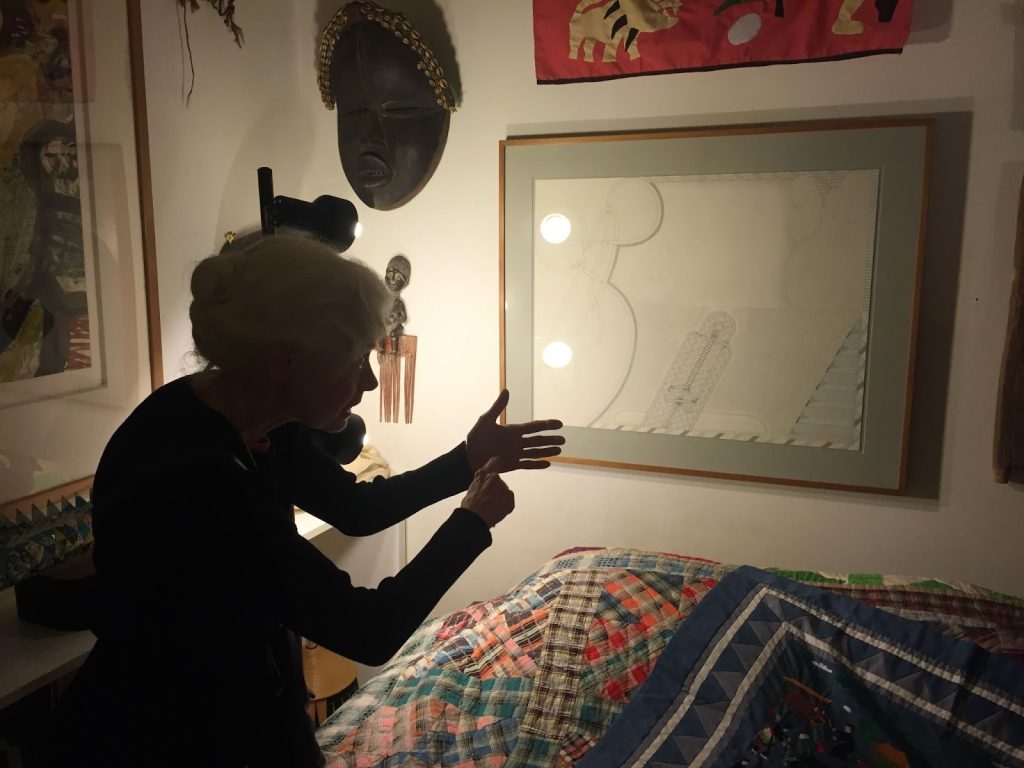
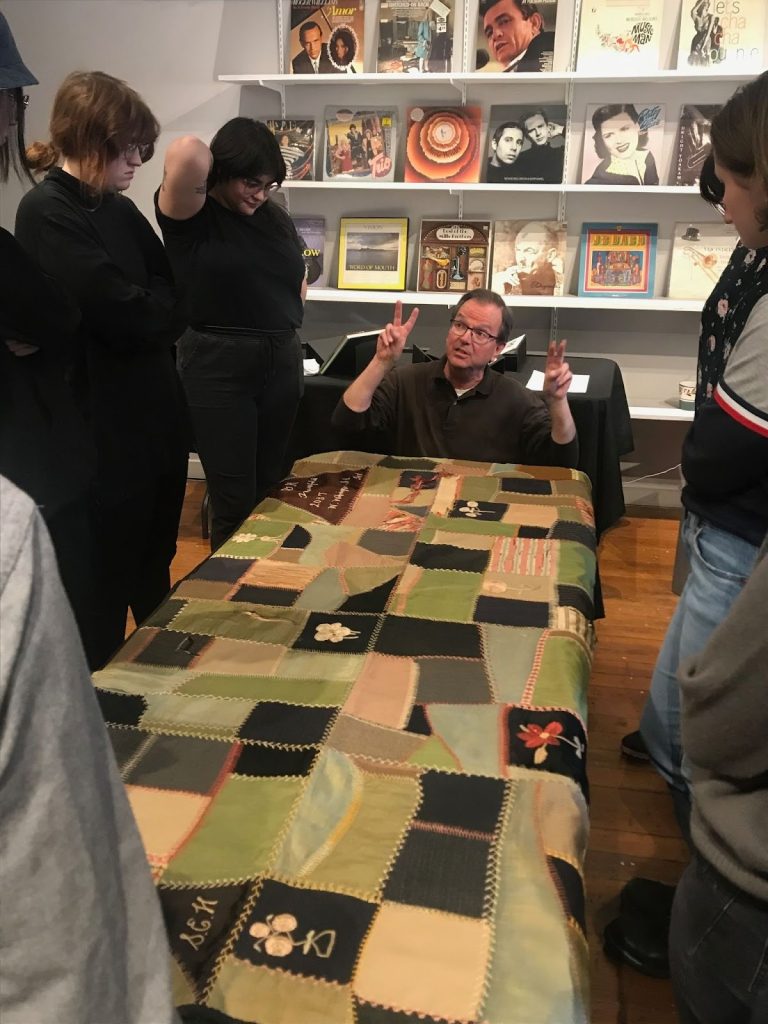
For SAIC alumni who participated in classes, visits, and experimental interventions at the home, the RBSC had an important role in the development of students’ personal praxis toward artmaking. For Lesley Jackson, who attended the school between 2009 and 2013, “the Roger Brown collection represented a kind of art that tends to sit on the periphery of history––the art of everyday people. His house was a two-story love letter to the anonymous craftsperson, the humble hobbyist, the worker who only has time for art on Sundays…people making exquisite things simply because it makes them feel slightly less alienated, and slightly more whole.” Following her graduation, Jackson founded the Little Craft School, which offers project-based woodworking classes designed around techniques from the popular history of folk art. Often attentive to the stories of extractive and productive labor embedded in histories of making, each Little Craft School workshop is also designed to be amenable to a given participant’s personal aims within utilitarian object-making, echoing the lived-with artistic praxis by which Roger Brown shaped his residential collection and life. For other alums like Korey Martin, the RBSC had a defining role in the emergence of individual artistic intuition: “My education at the Roger Brown Home encouraged me to ask deep and difficult questions about the purpose of art and its role in my life that have guided me and my work since. It was one of my few undergrad experiences that encouraged me to not only listen to the voices found in art history and theory, but my very own, even if I were the only one to ever do so.” Martin, who continues to work as an illustrator, took the beloved, long-running Better Homes and Gardens seminar co-taught by Lisa Stone and Jim Zanzi at the RBSC in 2019. In articles published over the last month, prominent artists such as Gladys Nilsson and Richard Hull have also publicly expressed sorrow at the news of the RBSC’s dismantling. As the director of the space from 1997 until 2020, Stone served as a witness to the affecting revelations from the great many artists who visited, activated, and reinterpreted the “home/museum”: “I was honored and delighted to host uncountable humans, be they students, faculty, and people from all over creation, experiencing the ways one could encounter a microcosm of works by Chicago-artists-of-the-highest-order, arranged within an ecosystem of art and objects from the far corners of the art making worlds.”

The RBSC, and Stone’s scholarship on the history of gardens and residential art environments were the primary impetuses for my decision to move to Chicago for an art history Master’s in 2018. While I had devoted my scholarly practice to working with objects produced beyond the contemporary art market and popular consumption, my curatorial work with the collection irrevocably changed the course of my professional and personal life. During my years at the RBSC, I learned that it was possible to radically transform one’s day-to-day life through a dedicated attentiveness to the beauty available in one’s immediate surroundings, to be found even in the most unexpected places. Brown reconfigured his domestic environment as an exquisitely maximalist, non-hierarchical account of personal memory and impactful aesthetic experiences––through artworks produced by friends, compelling objects found in the course of daily promenades, mementos related to the visual culture of his region of origin––so that inspiration might effuse into every given moment of his life as an artist. Brown’s home was an ever-shifting document of the many seasons of his life, from his youth in the rural south, to his playful collaborations and travels with Imagists in the SAIC-adjacent scene of the 1960s and 70s, to his position as a commercially successful painter and important institution builder in the last decades of his life. The painter’s practice of enshrining, savoring, and extending the wide-reaching accumulations of his life in and beyond the art world for a broader public served as a deeply personal, galvanizing exception to the sizable, bureaucratic art institutions occupying the city’s commercial centers. Given the 2025 cultural landscape, flouting the opportunity to flatten and redevelop 1926 Halsted in the School’s listing feels particularly wounding. As we witness the erosion of truly experimental and democratic spaces of learning, the censorship of politically-urgent subjects in prominent exhibitions, and the purchase of vast swathes of the U.S.’s built environment by an increasingly select number of individual and corporate buyers, spaces like the RBSC are in urgent need of protection.
Following my work at the Roger Brown Study Collection, I dedicated my career to the study of artist-built environments. Presently, I serve as a research fellow at the Smithsonian American Art Museum, where I am working on a dissertation project centered on the controversial forced dismantling of vernacular art installations due to the pressures posed by urban redevelopment. These stories, I contend through a close analysis of four art environments demolished between 1975 and 1997, play an outsized role in the destruction of the autonomous artistic communities over time. Parallel warnings related to the broader impact of the RBSC’s closure have been noted in recent op-eds published in the wake of the 1926 Halsted building listing. In a powerful essay published by Rachel Freundt, the author meaningfully contextualizes Brown’s significance within Chicago as an openly gay, Southern painter with a penchant for politically inspired subjects and a dedication to expanding the art canon alongside his allied SAIC colleagues. As she concludes, Freundt questions why SAIC would not only sell the collection, but allow the building to be listed without ensuring its landmarking ahead of time, given its immense historical significance. In an essay published in the Chicago Tribune on September 19 titled “Landmark the Roger Brown Home and Studio — or lose it forever,” the authors Elizabeth Blasius and Susannah Ribstein offer a statement of caution for the School, which I reproduce here with emphatic agreement: “The damage to [SAIC’s] reputation if it becomes known for carelessly selling off priceless assets such as Brown’s home and studio will be immense.”
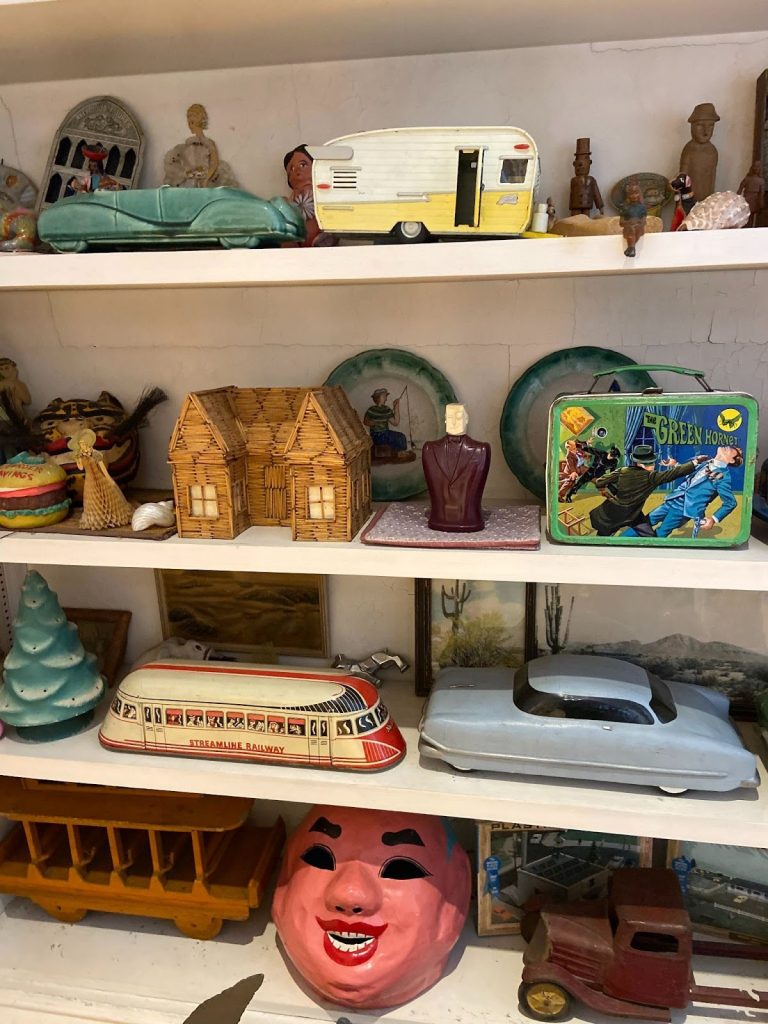
Considering SAIC’s important role in connecting and fostering artmakers over the last 150 years, I implore the present administration to consider how its recent decisions, like that to waste the RBSC without any good faith community input, will lead to the erosion of the legacy which has been built through the long term labor of its staff, students, and faculty, including the generations of historic preservation students and curatorial workers who maintained and activated the RBSC. Reflecting upon his own years at the School prior to his death, Roger Brown noted: “The exposure to [artist’s] collections themselves does not cease to have great impact on anyone who sees them…I am thankful for the privilege of having studied at an institution where that sensibility could be learned and developed…[from] that specific lineage of teachers at the School of the Art Institute.” As a fellow alum with deeply formative experiences at SAIC, I wish I could look back with similar pride at the direction of the School; nevertheless, I find myself within a vast network of former students and faculty whose decided frustration at the School’s short-sighted, profit-centered planning and anti-worker decisionmaking seems to be edging toward consensus.
As recipients of Roger Brown’s three homes, their collections, and the artist’s estate (through which the School has made millions of dollars), SAIC has an incontrovertible responsibility to use its administrative, financial, and cultural might to ensure the legacy of Brown is cared for respectfully. Though recent reports claim that the home’s potential buyer intends to ignore invitations to raze the property and renovate it as a family home, the building’s current status on the National Register of Historic Places serves as no safety net against demolition or radical renovation should the buyer change their plans or sell the property at a later date. Following the guidance of the circulating landmarking petition (drafted by historic preservationists with experience at the RBSC), the most secure way forward would have been for SAIC to halt the impending sale before it achieves landmark status. Only local landmarking––which, thankfully, has been preliminarily approved––will allow the building to survive in Chicago’s built environment as an important document of the history of cascading, intergenerational artistic fermentation which occurred at the site.
While I have attempted to include a small handful of gathered and personal remembrances of the home and studio, I encourage readers to engage the hundreds of testimonials viewable in the aforementioned petition’s response aggregator. These stories attest to the wide-ranging, multidisciplinary, deeply personal reverberations of the RBSC upon the arts scene in which it was enmeshed. As Chicagoans grapple with the loss of the installed collection and work to save its former venue, SAIC faculty should encourage students to visit the John Michael Kohler Art Center’s (JMKAC) exhibition Recent Acquisition: Roger Brown Study Collection, which opened on October 11. The exhibition will feature a selection of the acquired works in Roger Brown’s collection at the Center’s Art Preserve space, where it will eventually exist in conversation with the collections of compatriot Chicago artists Ray Yoshida and Barbara Rossi. The exhibition was curated with a deep knowledge of the value of artist collections by another former staff member of the Roger Brown Study Collection (2010-2013), Laura Bickford, who is presently a curator at JMKAC. Bickford writes: “The John Michael Kohler Arts Center is honored to have been entrusted with the stewardship of the Roger Brown Study Collection and is dedicated to continuing to adhere to Brown’s wishes – to have the collection accessible and remain a source of inspiration for aspiring artists and visitors. As a document of Chicago art and artists from the 1970s to the 1990s, and a testament to Brown’s vision and practice, the collection is an important record for art history and an invaluable addition to the Arts Center’s holdings of Chicago Imagist work and collections.” As part of the RBSC’s transition to Wisconsin, the School of the Art Institute has pledged to support current SAIC students in visiting the re-installation in Sheboygan. As we push the administration to fulfill this promise and to advocate for the building’s local landmarking, I would encourage those who have been touched by the Roger Brown Study Collection to continue sharing stories related to the house museum’s artistic influence with one another, as well as with SAIC’s administrative leaders. Through the continual activation of the collection’s significant history––and the successful safeguarding of 1926 Halsted’s presence in Lincoln Park––the “Artist’s Museum of Chicago” will live on.

About the author: Gabrielle Christiansen is a PhD student in the Art History department at Northwestern University, where she studies 20th-century vernacular artist-built environments of the United States. Her present research concerns ecologies of detritus and the politics of wasting, acts of commoning on private property, and non-traditional modes of artistic pedagogy. Her forthcoming dissertation project considers the theories of land use that have emerged through decisions to preserve or demolish at-risk art environments in vernacular space. She has worked with the arts and education collective Prison+Neighborhood Arts/Education Project at Stateville Correctional since 2021.