
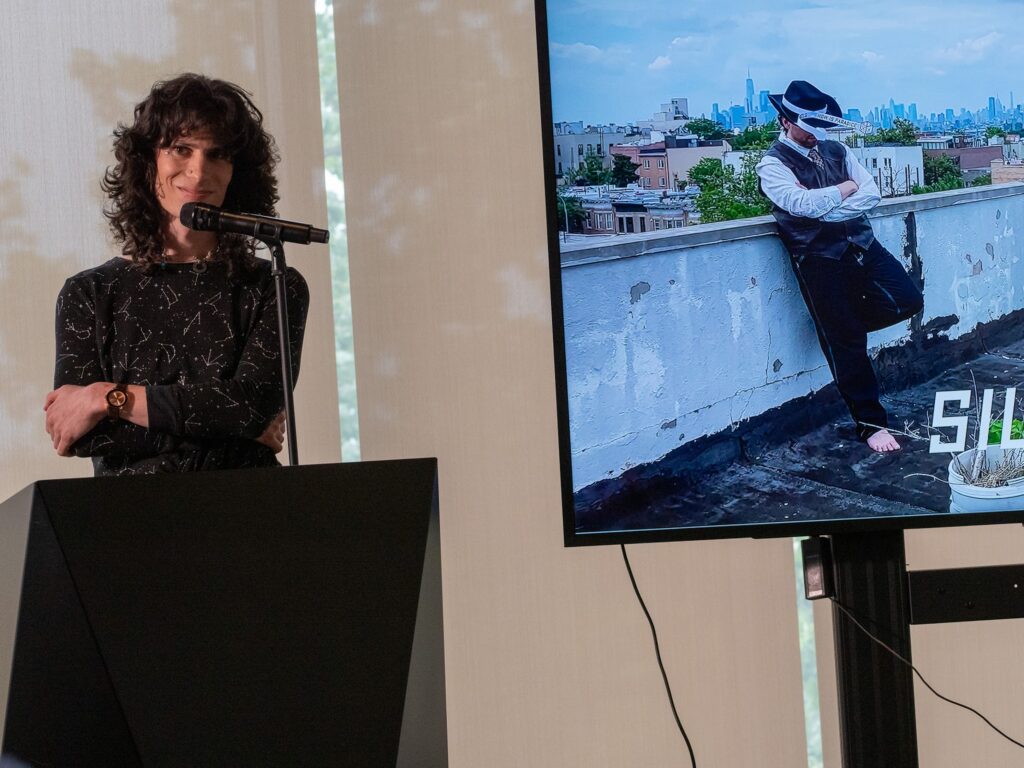
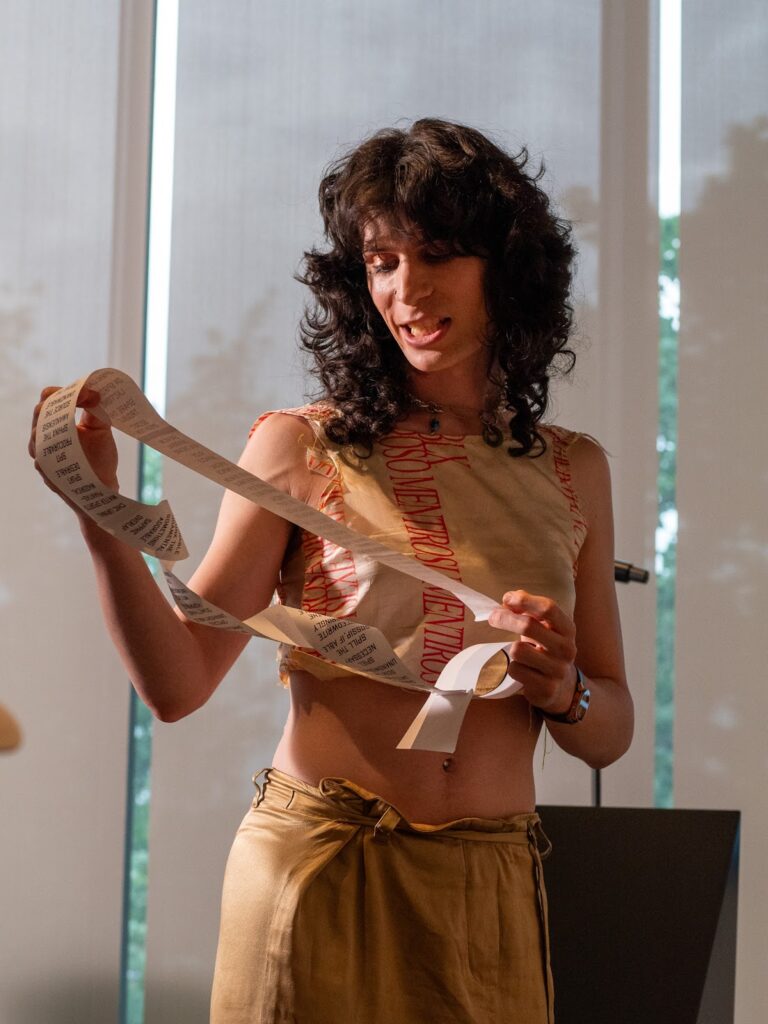
Nat Pyper and I originally wrote these postcards for a performance at Wrightwood 659 on June 11, 2026, responding to the exhibition Martin Wong: Chinatown USA. A few weeks prior I met with Deaf artist Joseph Grigely for brunch, who I was finally meeting in Chicago while our work was simultaneously featured across the world at the Palais de Tokyo in Paris. I asked him about his essay “Postcards to Sophie Calle,” an exquisite “monospondence” critiquing Calle’s exhibition The Blind, which also touches briefly on other artists whose work appropriated disability aesthetics, including Martin Wong. Nat and I were inspired by this format of critique to articulate our own complicated desires and responses to Wong’s paintings with ASL fingerspelling. In performance, we interwove these postcards with poems and ritual gestures as an embodied offering.
— Noa Micaela Fields
Dear Martin,
At first I’m moved by the ASL fingerspelling in your paintings. To find extracts of this language I’ve come to belatedly, despite wearing hearing aids since I was three years old. I’m still only beginning my journey towards understanding my place within Deaf culture (there is a whole history of ASL being kept from us—but let’s not get into the Alexander Graham Bell of it all.)
I’m curious how you encountered ASL and decided to work it into your paintings. After all, nothing I come across in my research mentions you having any hearing impairment, nor anyone close to you. You’ve shared an apocryphal origin story of a Deaf stranger on a subway handing you a donation card with the ASL alphabet on the back, which you saved as reference material. But did you ever go deeper than those twenty-six hand shapes?
ASL is a multifaceted language with animated gestures, exaggerated facial expressions, and spatial story-telling. To reduce ASL to fingerspelling is a mummification: a flattening of what is interactive and lives on our bodies. Mum’s the word. Contemporaneous to your Paintings for the Hearing Impaired series, Deaf artists at Gallaudet formed a movement called De’VIA (or Deaf View/Image Art), incorporating dynamic motifs grounded in ASL and Deaf culture to make art by and for Deaf community.
Martin, please write back: did you ever build a relationship with deaf community?
Signed,
Noa
Dear Martin,
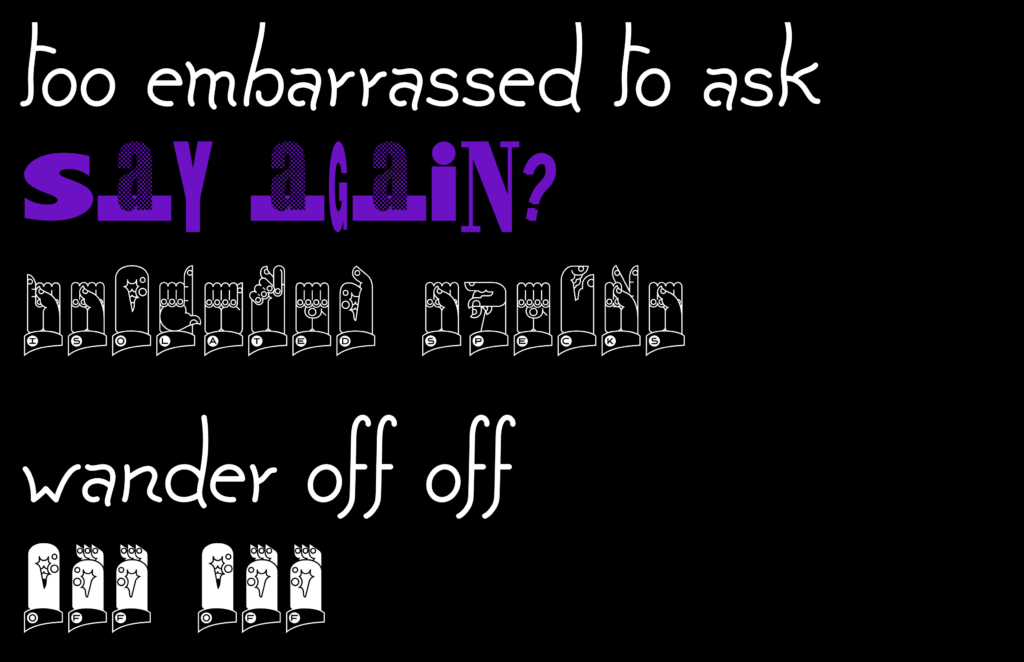
There’s a tangle here in your Paintings for the Hearing Impaired series, and maybe it’s the word “for” that’s tripping me up. It’s ironic: silent visuals are no more or less legible to the “hearing impaired” with the additional layer of fingerspelling. If anything, it’s actually harder to decode than printed text might have been—the ASL crudely translated and cramped into two dimensions. It becomes a cipher, which has little to do with Deaf communication. Who is it for?
I’m tangled in telephone wires of this crisscross-miscommunication. I think of Joseph Grigely’s “Postcards to Sophie Calle,“ a landmark moment in disability studies and art criticism, responding to Calle’s ableist exhibition The Blind. Among other contradictions, he is puzzled by a photograph of Braille text that cannot be touched, and what’s more, is installed upside down! Martin, you come up in these postcards, too: when a friend gives Grigely a postcard from your Traffic Signs for the Hearing Impaired series, he notices that your “f”s are formed wrong, like the number 6. So your street sign that was meant to say “School for Deaf” instead descends into gibberish: “School 6or Dea6.” These errors he calls “not mere mistakes, but misplaced desire.” Misplaced, so that our place is entirely missed: “We are we to ourselves alone,” Grigely writes, “You remain you. The gulf widens.”
Can we communicate across this gulf? I think there is tremendous value in cultural and linguistic crossings—when approached with humility and openness to the risk of how encounters with difference can transform us. As Judith Butler says, “Let’s face it. We’re undone by each other. And if we’re not, we’re missing something.” Which reminds me of your own slogan: “IMU UR2.” Not a mirroring or dissolving into sameness, but a slippage of our tectonic intersections, a fractal shattering of identity’s apparent stability. I am who?
Yrs,
Noa
Dear Martin,
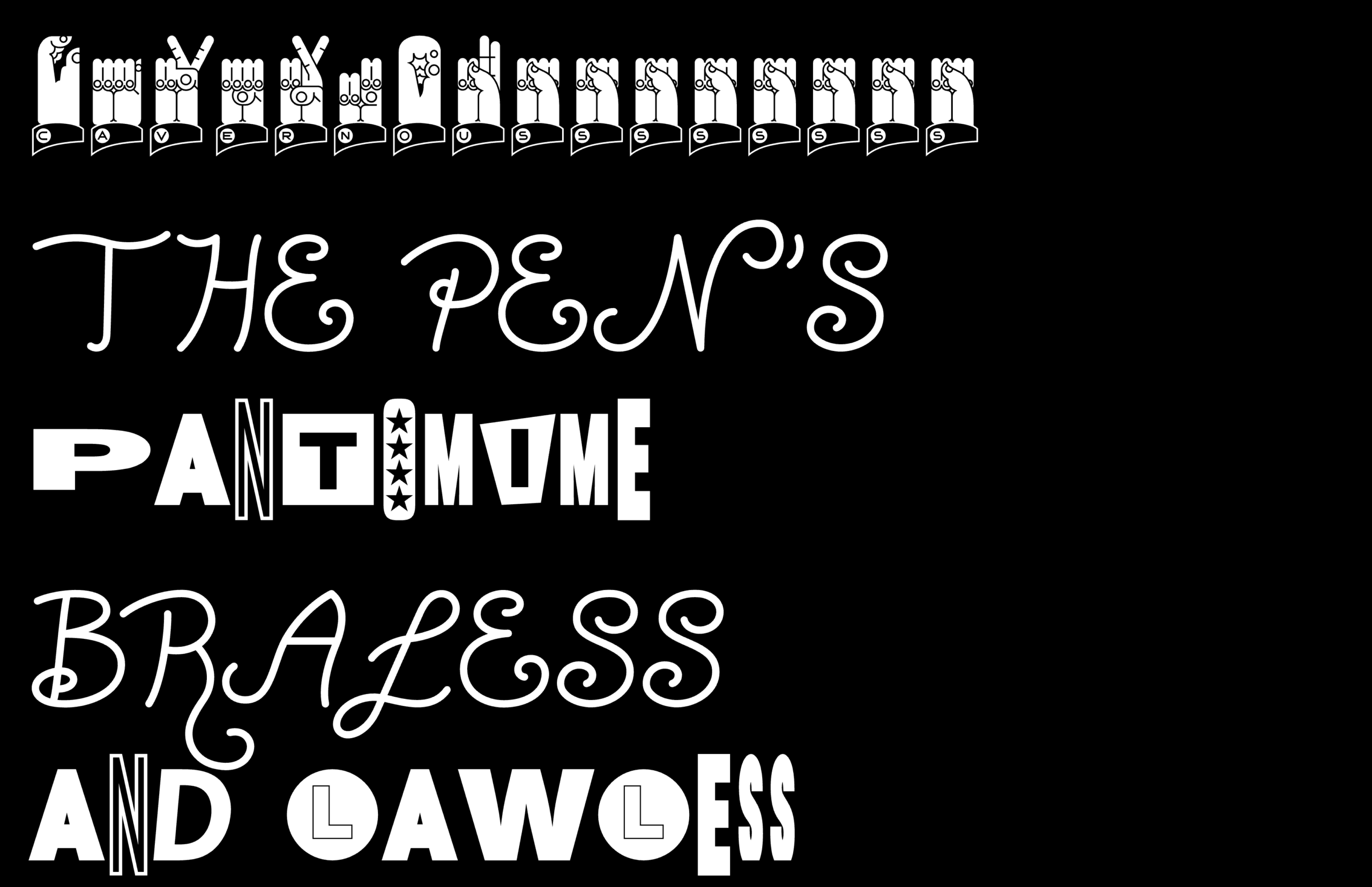
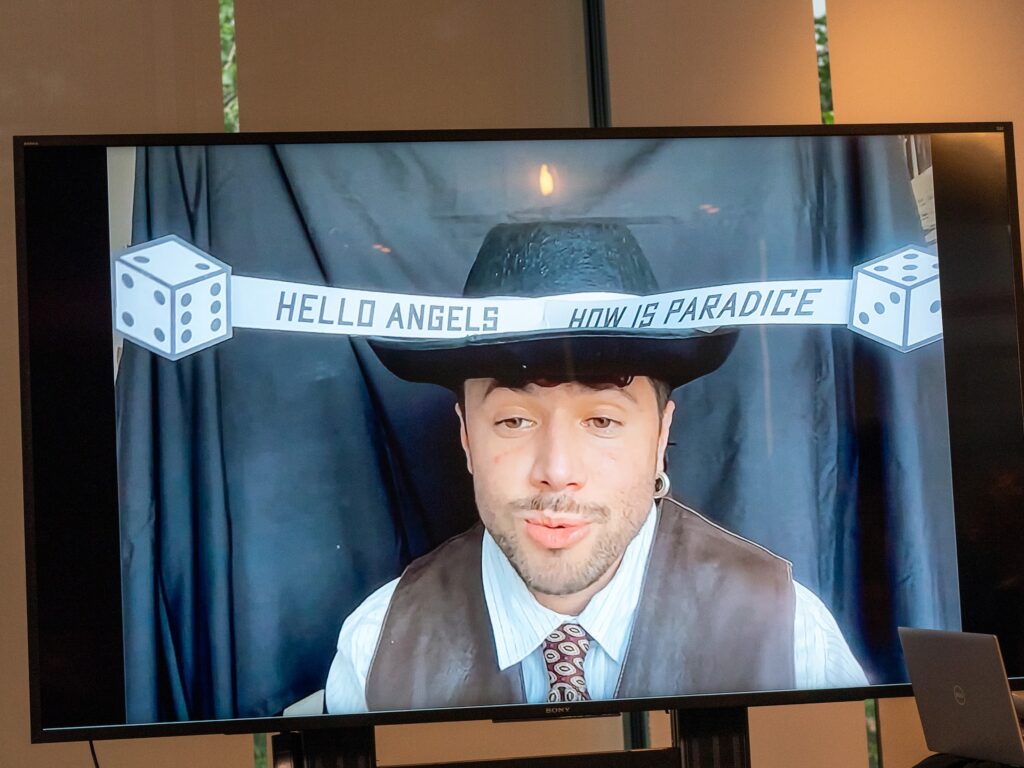
A couple of years ago someone connected to your estate slid into my DMs. It wasn’t as sexy as it sounds. Actually, I was in a bit of trouble, which was also not as sexy as it sounds. They wanted to know, had I asked for permission to use your stylized ASL in my font? I hadn’t asked, which was kind of the point. When I first started making these fonts, I wondered about this kind of thing. If I would ever get into trouble for recreating someone else’s work. The fantasy of lineage plagiarism was meeting the reality of intellectual property rights.
As artists, which is to say, as rearrangers of the world, what is our responsibility to each other? In the lecture you gave in 1991 at the San Francisco Art Institute, you told a story about your friend Sharp who you used to paint all the time. You said that it gave him psychological problems, so he told you to stop painting him. He said it was a violation of his personality. So you stopped… for about three months, until Sharp left for Europe and you started painting him again. If your estate had sent me a cease and desist, would I have relented or would I have waited three months to start writing with your font again?
I guess the question doesn’t matter because ultimately the estate was okay with it. I was nervous, though. This was around the time that they had licensed some of your paintings to Supreme and your 8-balls and lucky dice started showing up on hoodies, button-ups, and skateboards. You used to joke about wondering when your work would become more valuable than the surface you painted it on. I don’t know what swayed the estate. Maybe it mattered that the font is free and I don’t make any money off of it. Or that I framed it, kind of disingenuously, as an educational tool. Or that, at the end of the day, the authorship is kind of murky.
Is the font you or me? I made the font, but the letterforms are lifted directly from your artwork, oftentimes stroke for stroke. Then someone else uses the font for their own writing, so they’re an author, too. I’m not interested in an authorship that’s about ownership, but I am interested in one that takes responsibility for the language that we give and take.
What happens when we write with your hand(s)? Does our meaning accumulate or does it break down? Does the combination synthesize into something beyond each of our own language limits? Are we in conversation or is this a futile one-sided exercise in communicating with the dead?
I’m getting a bit too romantic, and not in the way that I want. Here’s the real reason why I made the font: it’s my little way of trying to get close to you, even though we’ve never met. It’s like an antenna for a ghost signal. I’m trying to find the right frequency. I want to hear your voice.
Can you hear mine?
Luv,
Nat
Dear Martin,
I actually first felt an affinity with your work when I found out that you were also part Latino, though I would later learn that this was more of a simpatico identification than a real blood lineage. But that was an important lesson, that sometimes lineage requires imagination. It’s how I was able to place you in my own family tree. Tio Martin.
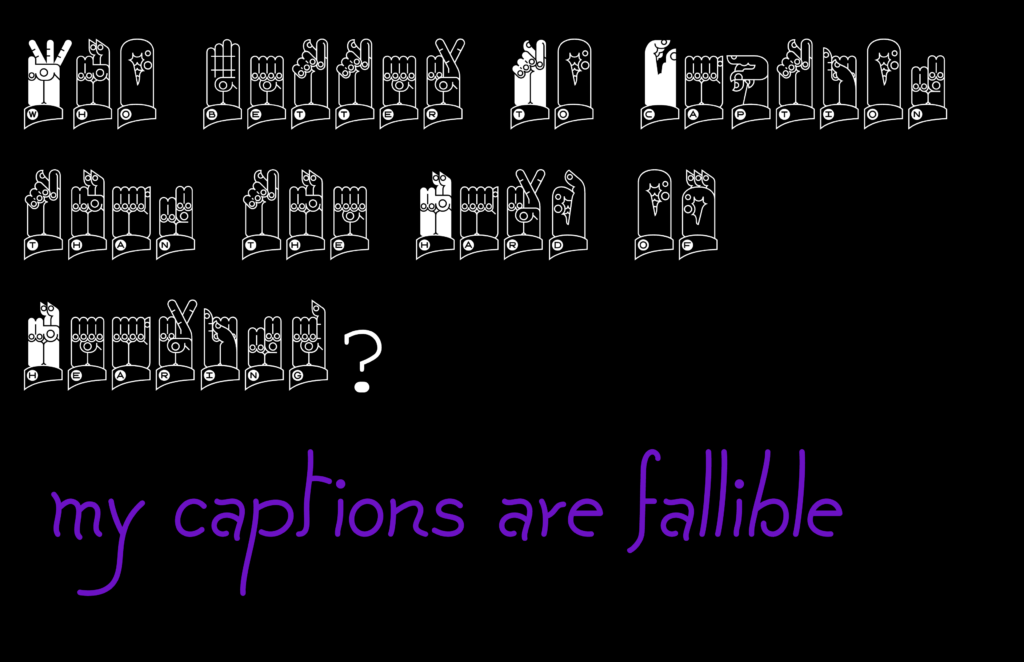
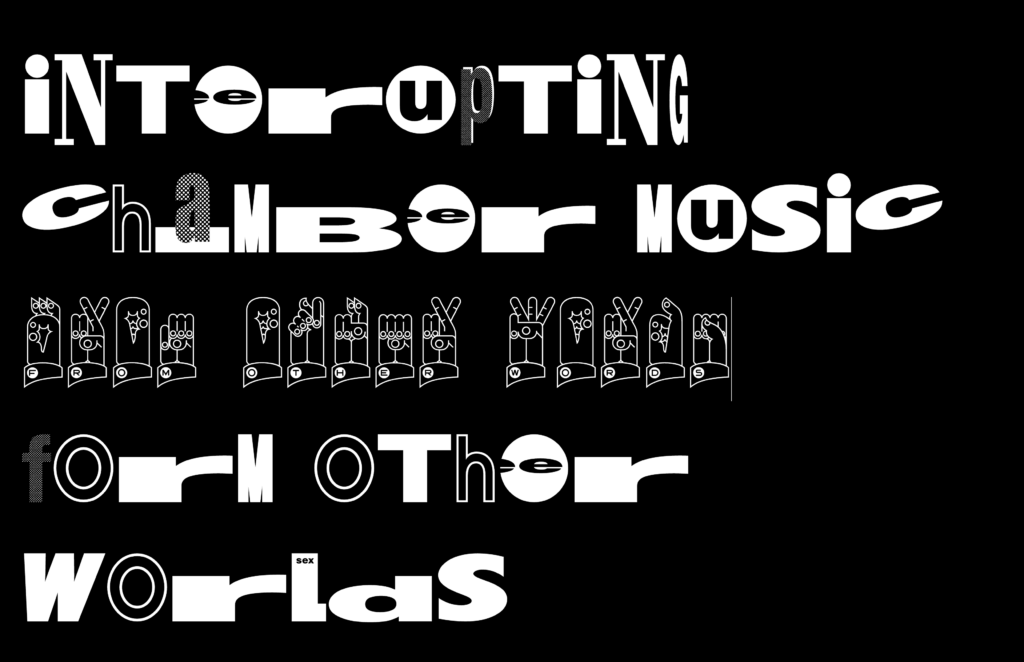
The font I named for you is one of thirteen others, a family of fonts that documents and disseminates the language work of queer countercultural figures of the last several decades. I want to make the act of remembering these overlooked histories accessible to other people, as easy as typing. Better yet: I want to make the act of typing an act of remembering.
Tonight, I type and remember two others. One font is named for Lorenza Böttner, a trans disabled artist who drew, painted, and performed across the spectrums of discipline and gender. Throughout her life, Lorenza used her own body as a method and material to assert the power of transformation. In 1994, she died in Germany in the care of her family following complications related to AIDS. The other is named for Robert Ford. Robert published THING from 1989 through 1993 in Chicago, a zine that he described as a “black gay and lesbian underground arts journal and magazine kind of thing.” That same year, 1994, Robert also died from complications related to AIDS.
A few years ago when I was 30, I watched a video of Robert Ford when he was also 30. He was being interviewed at SPEW: The Homographic Convergence in 1991, “the first gathering of queer zine makers before that was even a term,” as SPEW organizer Steve Lafreniere described it. I don’t remember exactly what Robert said, but I do remember that he was gentle, honest, and funny. I started crying. Before then, I had only read THING and seen photos of Robert. He was an idea to me. A perfect and immovable idea. But when I watched him in that video, he became an imperfect and moving person. I cried of shame, that I was unable to see him, truly see him, through the very real artifacts that he left behind. I also cried of envy, that I would never know him, that I felt like I could have been friends with him, maybe even family, if we hadn’t been separated by thirty years and a death too soon.
I wish that I knew you. Mano a mano. I commit to remember you and your imperfection, imperfectly, for as long as it takes me to recite the alphabet forwards and backwards in my head…
ABCDEFGHIJKLMNOPQRSTUVWXYZ
ZYXWVUTSRQPONMLKJIHGFEDCBA
Luv,
Nat
"Speak the Unhearable"
	     mishearing Martin Wong

Sieve the ineffable
Grieve the unbearable
Shriek the untellable
Seek the unanswerable
Spill the gossip, if able
Speedwrite unerringly
Spelling’s not here or there
Sweetly changeable
Spook the unshakeable
Speed date insufferable
Peak unemployable
Speedo’s unwearable
Something horrible
Weeks unendurable
Spew unapologetic
Sorry unintelligible
Stomach insatiable
Seems unreasonable
Spelunk the fundamental
Something adorable
Sapphic overlap
Sleepless in paris
Chic urinal
Water sports phantasmagorical
Spurt desirable
Spit procurable
Spilling in a glory hole
Sphinx the amanuensis
Source the unknowable
Freak the oracle
Speech therapy
Spiral liable on spironolactone
Spare the trouble
Secret operation
Sneak in universal healthcare
Slick miracle
Special olympics
Speed demon unbeatable
Believe the endearable
Speakeasy telltale
Sweet, the unbearable
Speak then unheed
Speech undead
Sate the nonbelievers
Species uninheritable
Sleepy and terrible
Spake on the hilly knoll
Special delivery
Speechless parables
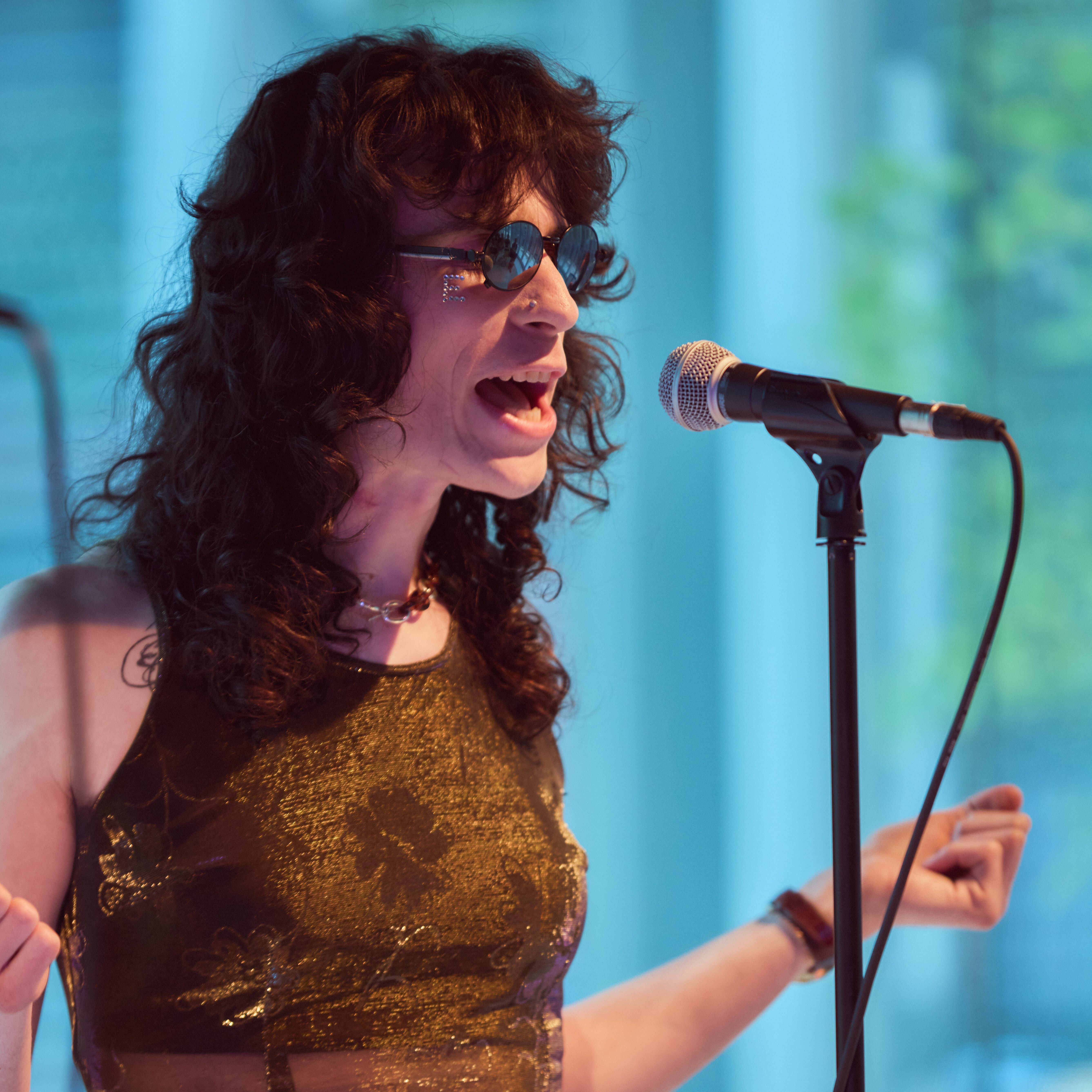
About the author: Noa Micaela Fields is the author of E (Nightboat Books, 2026), a poetry book embracing mishearing as a ritual of transformation. One of Guild Literary’s 35 Writers to Watch, she has performed recently at the Poetry Project, Elastic Arts, Artists Space, Palais de Tokyo, Podlasie Club, Wrightwood 659, Beyond Baroque, No Nation, and elsewhere. She edits poetry for Chrysalis, a literary magazine by and for trans youth.
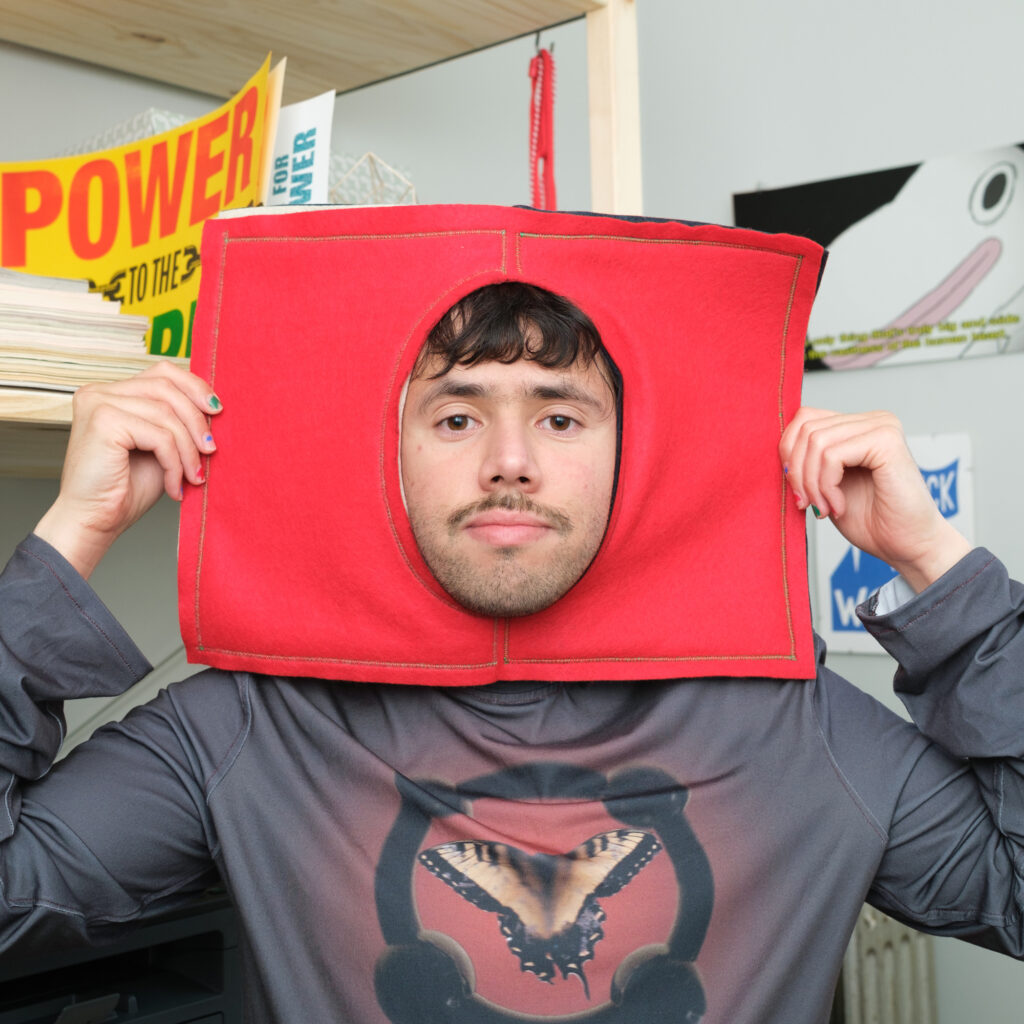
About the author: Nat Pyper is an alphabet artist. Their practice of performance and publishing extends from ongoing research on countercultural queer histories. They’ve performed at Performance Space New York, Cooper Cole in Toronto, and PAGEANT in Brooklyn, and published with Are.na, Inga Books, GenderFail, Miniskirt, Source Type, and the Walker Art Center. They were a 2021-2022 HATCH artist-in-residence with the Chicago Artists Coalition. Their book A Queer Year of Love Letters: Alphabets Against Erasure was published by Inventory Press and Library Stack in 2025. Their science fiction novella Zurdo..! was published by specific.place in 2026. They are based in South Brooklyn, NY.
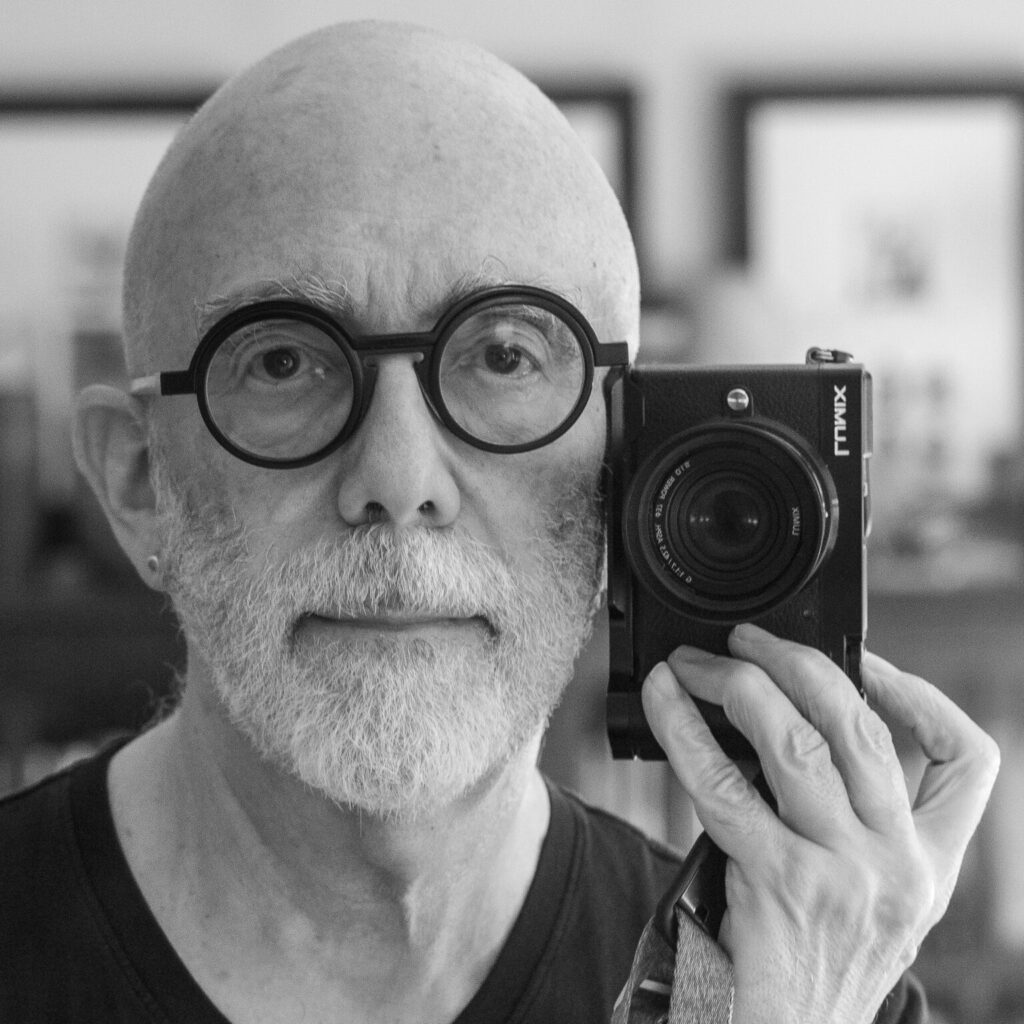
About the photographer: Larry Wolf is a photographer, archivist, zinester, artist living in Chicago. He creates objects of exchange (zines, prints, blog posts), to connect with others, celebrating how Larry understands himself and how he sees the world.