
The Chicago Archives + Artists Project (CA+AP) connects archivists and artists to reimagine futures and histories. This year’s research continues our current theme of “embodying the archive.“
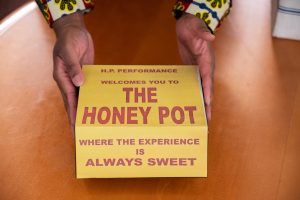
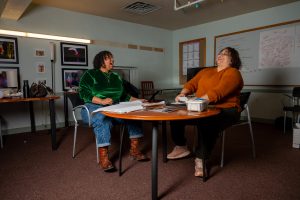
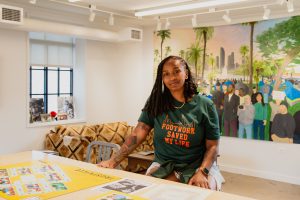
This series of interviews profiles this year’s archives + artists pairings, which include the National Public Housing Museum’s oral history collection (archive) + Dr. ShaDawn Battle (artist), Honey Pot Performance (archive) + Siobhan McKissic (artist/archivist), and one trio: Chuquimarca art library by John H. Guevara (archive) + Crystal Vance Guerra (poet) + Mariana Mejía (archivist).
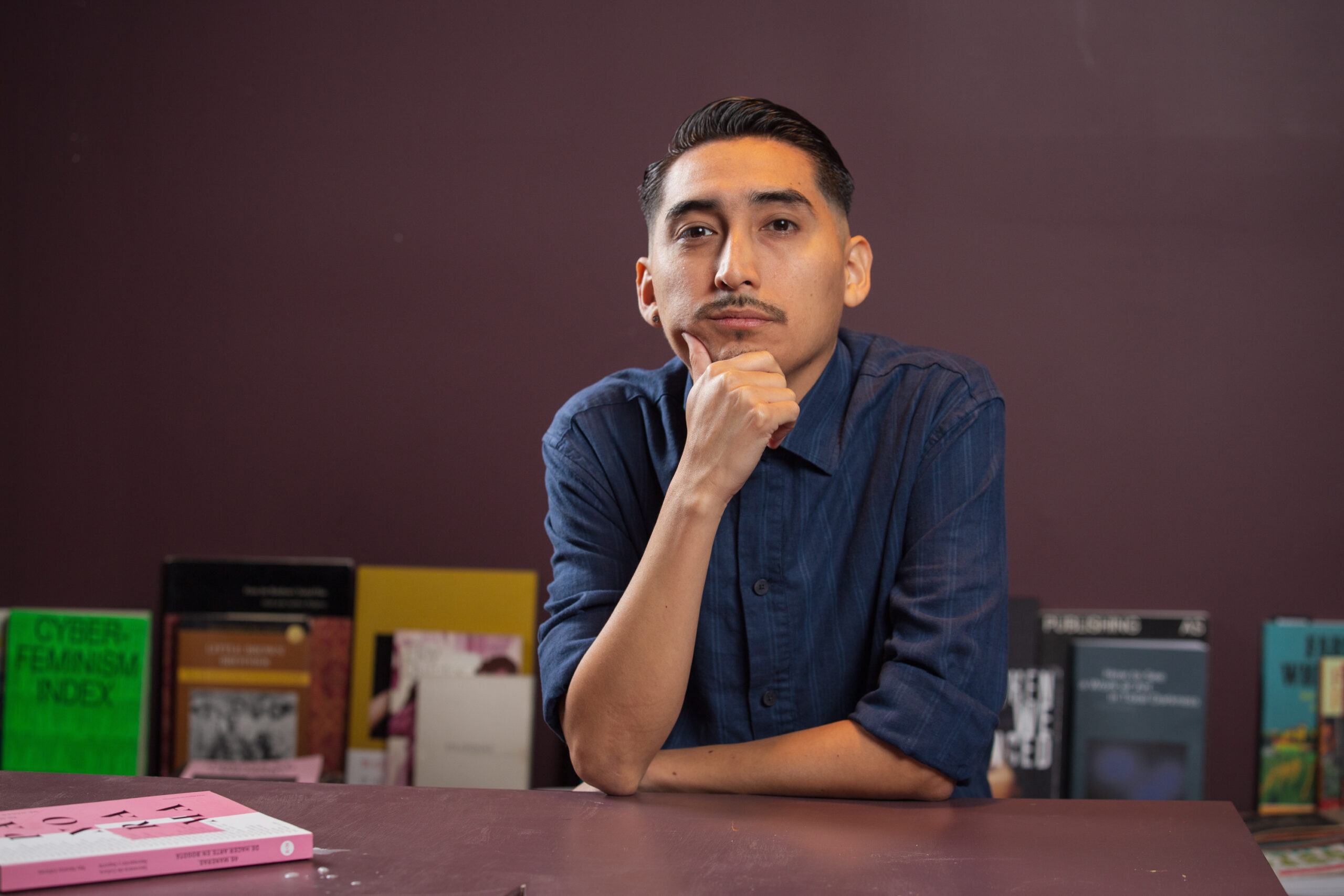
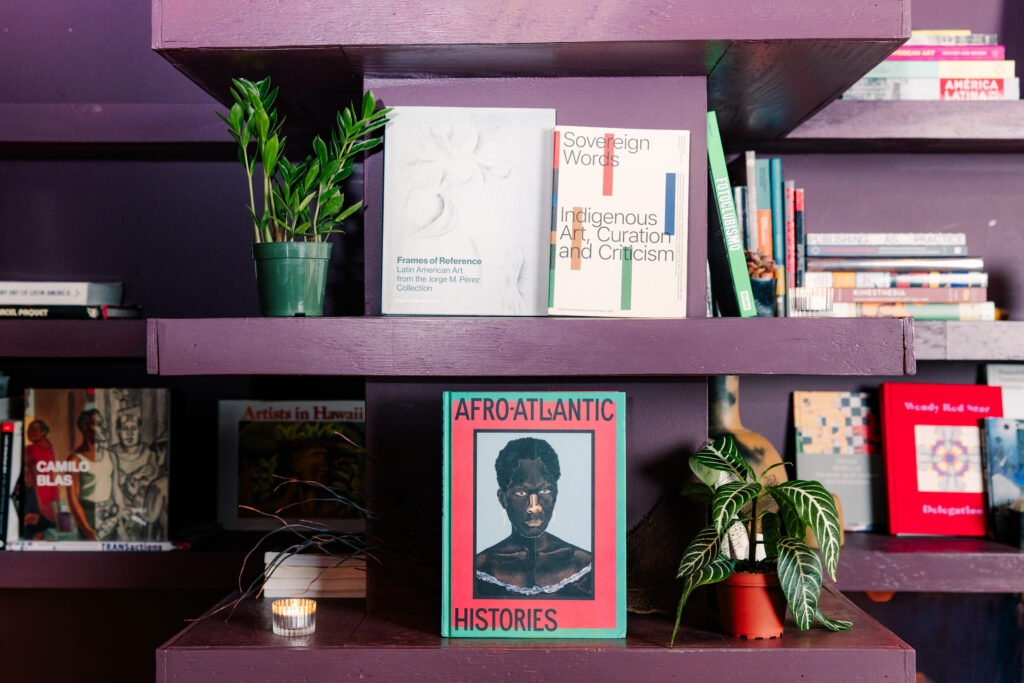
For this interview, Hilesh Patel spoke with John H. Guevara, a Chicago–based artist and director whose project Chuquimarca operates somewhere between art library, conceptual proposal, and garden. Chuquimarca functions as a resource for Chicago’s arts ecosystem, offering access to art books and materials that center non-Western, somatic, and cosmological knowledge systems often absent from art, academic, and conventional library collections and archives. It is as much a critique of the library as a form as it is an attempt to fill gaps in what is accessible, particularly for artists navigating an art world that historically gatekeeps who comes in.
The library’s book collection is housed and publicly browsable at Tala, an art gallery in Chicago’s West Town. What follows is a conversation that began over coffee with a chance to get to know both the project and the person behind it and continued through a series of email exchanges with Guevara about care, inquiry, and what it means to build a system that works more like a mirror than a monument.
Hilesh Patel (HP): I was in a conversation with the artist and architect Amanda Williams a few years ago. Curious about her practice and how she works, I asked her what the first thing she does before she starts a project or a work. She said she always starts off with a question. Inquiry is a way to explore, to question more, to move on to what’s next. Is there an inquiry or question that was a catalyst for you starting Chuquimarca? Is there a question that continues to drive you?
John H. Guevara (JHG): Yes, there were a lot of questions at the start of the project. Questions like: What is needed in Chicago’s art ecosystem to make it more equitable to participate? How does a library center somatic or cosmological knowledge systems? Where can I learn Ecuadorian art history in Chicago? How do you create a library program without books? How can a system reduce touch points in decision making? The inquiries went on and on. And the questions solidified a need for a physical art library but also, more importantly, for an invisible and immaterial one. Currently, I am not asking any questions. There are a lot of forced empty “meta” questions out there for the sake of the press release which don’t do anything for anyone. My task right now is to put my head down and tend to all the answers I got. Truly, the generosity of a conversation is based on the quality of the question.
HP: What does care look like in your work with the archive? If I can lean into a gardening metaphor, how do you tend to it?
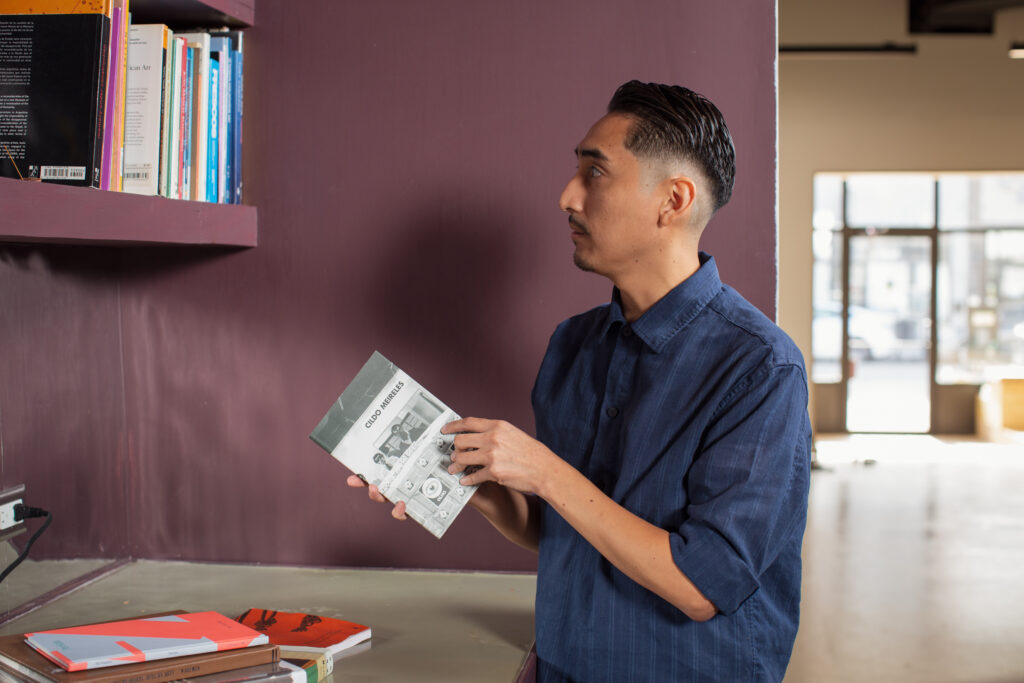
JHG: Well first, I don’t consider Chuquimarca an archive, it’s more of a project and a proposal—and at best, hopefully a gnostic garden. I tend to the proposal by tending to me. I produce my best work when I’m completely conscious and have a healthy ego. As a director of something that somehow carved itself to host other people’s professional work and creative practice, I have to be aware of the way I work and perform as John H. Guevara from Chuquimarca. The context is that Chuquimarca is in part me supporting Chicago arts and culture through my time and resources, and in another part it’s me creating a system that would satisfy my own creative wants/needs. I don’t receive any income doing this work nor do I have a team. It’s literally just me, so the inner monologues and decision-making always teeter between personal interests vs. professional public service. I have to be holistically healthy to know the distinction.
HP: How do you think about the people or groups who engage with the archive? Are they collaborators, participants, visitors, an audience, or something else? If you could expand and dig deeper into the idea of the mirror…
JHG: I have to think more about the systems, rules, and the game that is Chuquimarca more than the people who engage with it. I have to focus on creating conditions for the program to work like a mirror or a tool that finds another tool. As a mirror, the hope is that visitors can see themselves in a global conversation through the engagement with the art books. As a tool, the hope is that the program can help recover and institute value onto unregarded knowledge—like a random sidestory or knowing where to find a specific kind of pencil. The language around presenting the program is the main apparatus that helps with this reframe. It’s supposed to work as a prompt that starts the process of taking inventory on the resources that one has, doesn’t have, and wants to have in order to be their true baddie selves. Basically, I have to be good at providing instructions on the best way people can engage with the program.
HP: Thinking about the tension between the tangible and intangible in the context of the physicality of the things Chuquimarca holds, what do visitors bring with them into the archive and what do they leave with?
JHG: This question is for the visitors to answer. I would not know nor have interest to project what people are holding upon contacting the library or Chuqui’s program. If anything, I hope they have a labubu, I heard those are materially intangible.
HP: As people become activated to creating these libraries, these spaces, how can they create a space that resists surveillance and centers alternative ways of knowing?
JHG: Libraries and archives are surveillance systems in themselves—that’s the gag. They collect lives and events documented and organized in such a way to argue legitimization and insignificance by omission; it’s a type of control. Resisting surveillance was never an end goal so I can not help there. My intentions with being obscured came from stalling visibility so no one could record Chuqui’s mistakes. Chuqui’s program is all online though, so the mistakes have been recorded and the assigned CIA agents have been tracking everything since the start. They are probably one of my biggest fans at this point. But “how to center alternative ways of knowing” was a question I had because it’s the direct opposite of the western-science apparatus and text-based knowledge system that is a library. That question, said another way, was asking how can an opaque library not use the master’s tools? I can get into practical cases on using cosmological and oral knowledge systems to suffice the question, but talking from experience, the more useful question here would really need to be, what is one trying to resolve (in themselves) for making these spaces?
“Research is taking inventory of one’s own interior thoughts, tools, sensations, and feelings—it should be fun and should change you.”
HP: You said that [Chuquimarca’s research support program] Tanda is more about asking, receiving, and giving than research. Can you describe a specific moment where this dynamic was particularly impactful?
JHG: Under Tanda, yes, it is a practice of how to ask, receive, and give, and also being conscious of one’s attention. Asking, receiving, and giving are not ethereal concepts. The US education system has made research such a cerebral activity, when it really is a very embodied one. Paying attention to the nervous system when researching is a good place to start unpacking what I mean. Research is taking inventory of one’s own interior thoughts, tools, sensations, and feelings—it should be fun and should change you. I would recommend folks to pull up Research Is Ceremony by Shawn Wilson, who has a great indigenous perspective on research.
HP: Earlier, you described a reciprocity where people are coming in, getting something, and you’re giving something back. Do you think this creates a sense of mutual responsibility, and if so, how do you foster that sense of responsibility in others?
JHG: It’s not about mutual responsibility and more about creating self-agency, like practicing how to ask directions at a train station or learning how to order a pizza the way you like it over the phone. I do not give anything to anyone nor do I foster anything; I propose a structure that may or may not help people in their art journey. A trap with the language around reciprocity and mutual responsibility is when it asserts a totality of exchange that overthrows personal will which then teeters a line of just being unhealthy toxic relationship patterns. We have to be careful with these thought-terminating clichés that take away agency. Un-culted collective work, in my opinion, should be creating conditions to let people choose if they want to participate and be left alone without judgement if they don’t want to. Basically, know when to mind your business when working on whatever mission and find a balance between the individual and collective. Searching materials in libraries has a way of being a reminder that there are options, choices, will, and maybe ideas of freedom.
HP: How do you typically work through these moments when the right language or concepts are still developing?
JHG: I do a lot of practical things. One is to acknowledge when I don’t have the words and literally saying “I don’t know about ‘x’ and don’t have the language for it.” Verbalizing fortifies the brain and body a lot. Another thing I do is automatic writing, which helps in both the practical word-dump sense and in the mindfulness sense. And then maybe more creatively just having fun with it. Growing up, I always had fun creating self-deprecating existential one liners and dramatic ironic syntaxes (think emo lyrics), so playing with poetic devices helps a lot. Mind you, I’m not in any academic program arguing a thesis statement to push an institutional agenda, so I want to enjoy putting words together. Writing marketing copy for Chuqui is another set of exercises and protocols.
HP: Tell us more about the Chicago Archives + Artists Project you’re working with poet Crystal Vance Guerra and archivists Mariana Mejía.
JHP: Looks like we are off to Mexico City! I’m going to present something very different from what I usually present and it should be fun. The theme of this year is “embodying the archives”, so we are proposing to—incarnate! After a few conversations, Crystal came up with the idea of a variety-hour program and proposed how bodies of knowledge can incarnate. I love the etymology of incarnate in Spanish. Incarnate or embody is encarnar in Spanish, which can be used in verb form as in “beef-up” or in an art history context meaning to color a sculpture with flesh tones. The root word carné means meat and a variation is carnet, meaning licensed document. Encarniza is used too when someone is raging, crashing out, or getting heated.
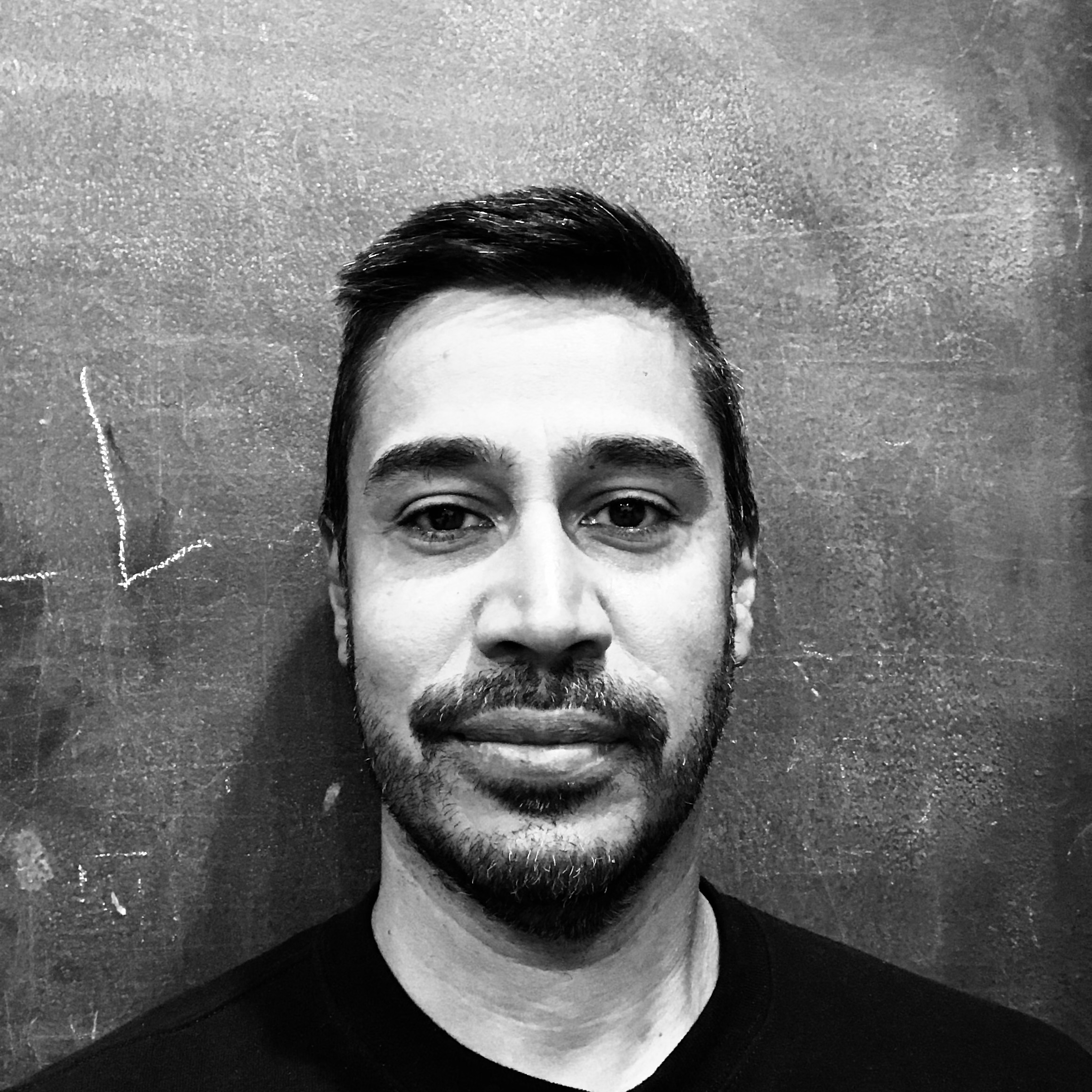
About the author: Hilesh Patel (he/him) is a disabled writer, consultant, and conflict mediator. He writes poems, articles, and essays engaging with political homes, memorials, migration, healing, and entangled histories. He is a member of arts and justice group The Chicago ACT Collective. @hilesh
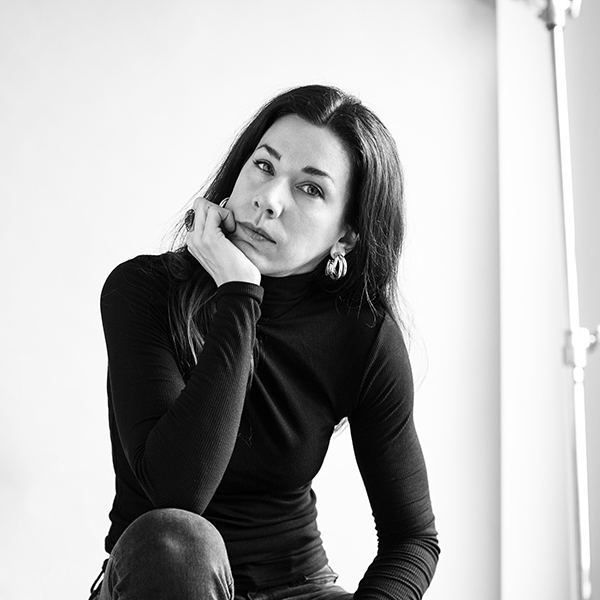
About the photographer: Kristie Kahns is a photographer, educator, and arts administrator based in Chicago. Through her photographic work, she has become a steadfast collaborator in the arts community, documenting dance, music, and visual artists. As a teaching artist, she has created many darkroom-based photography programs for teens in non-traditional learning environments, prioritizing visual literacy and material experimentation. As a writer and arts worker, her interests include contemporary approaches to historical processes, photography history and interpretation, museum education, and developing artist residencies in public institutions. She received a BA in Photography from Columbia College Chicago and is currently a graduate student at the School of the Art Institute of Chicago. @kristiekahns